What’s Inside
- Decode the Skincare Brand Logo and Packaging Vibes
- Ignore the Fancy Skincare Brand Logo When Science is Missing
- The Clean Beauty Trap and Essential Oil Burns
- Patch Testing Because Hives Aren’t Cute
- Transparency is the New Luxury
- Drugstore Staples Over Hyped Aesthetics
- The Non-Negotiable Daily SPF Step
- Expensive Doesn’t Always Mean Better
- Starting Retinol Without Melting Your Face Off
- Put Down the Acid Peel
- Barrier Repair is Boring but Necessary
- Skip the Double Cleanse Sometimes
Last Tuesday at Target, I stood in the beauty aisle until my vision actually blurred. I ended up buying a weird botanical serum purely because the minimalist skincare brand logo convinced me it was a miracle cure. That was a massive mistake. My face broke out in angry red welts within twenty minutes of applying a dime-sized drop to my cheeks. We judge books by their covers and serums by their bottles. I’ve spent the last six years testing products for a living, and I’m here to tell you that pretty packaging lies. You’re often paying for frosted glass and a marketing team rather than active ingredients that actually change your skin texture. Let’s break down what truly gives you glowing skin, past the aesthetic fluff and empty promises. I’m sharing exactly what works, what to skip, and the embarrassing mistakes I’ve made along the way. Trust me on this.
1. Decode the Skincare Brand Logo and Packaging Vibes

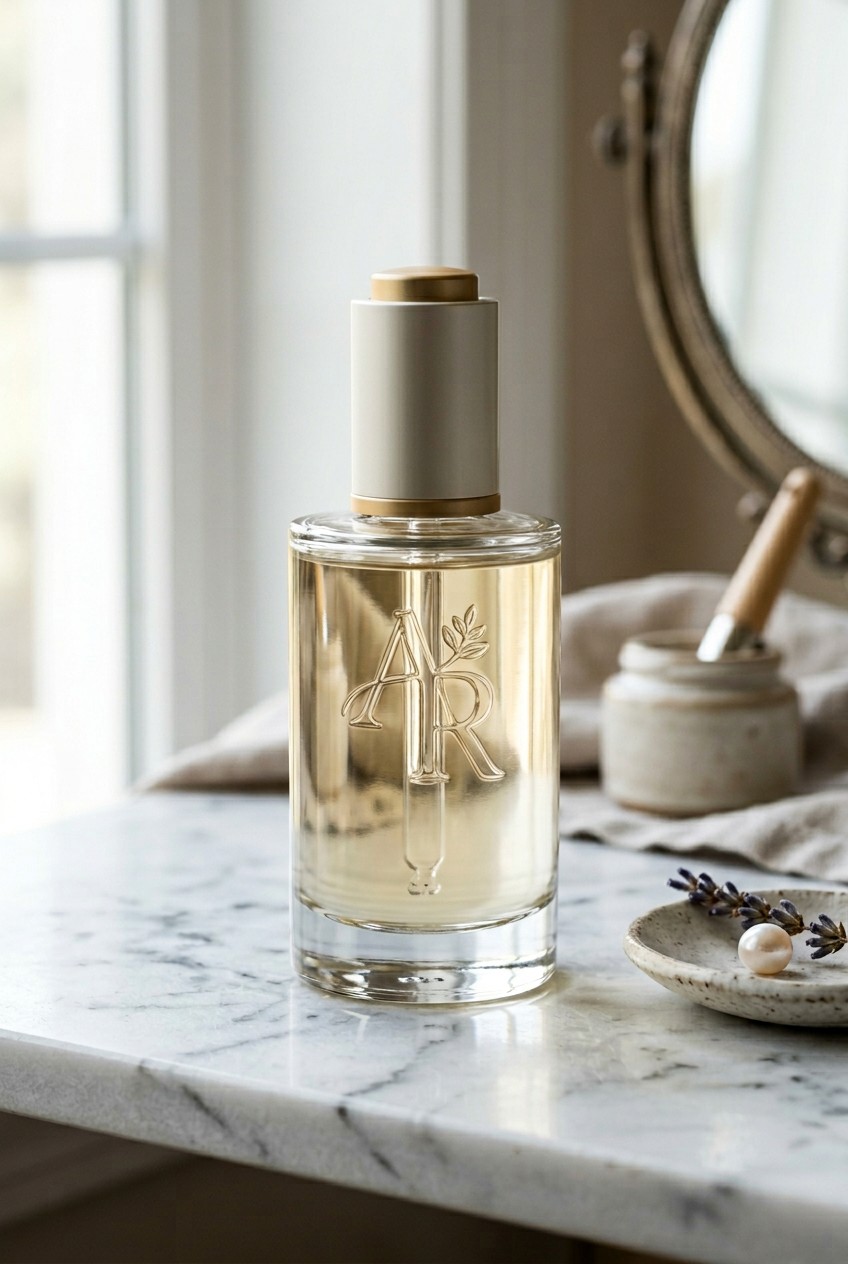
Let’s talk about visual cues. A brand’s logo and packaging usually scream their core values right at you. I used to buy anything with gold cursive font thinking it was premium. Now I know better. Take The Ordinary, for example. Their clinical, typewriter-style skincare brand logo and sterile white dropper bottles signal a hyper-focus on active ingredients without the fluff. You see a product named Niacinamide 10% + Zinc 1% and you know exactly what you’re getting. I buy their 30ml bottles for about $6.00 to $10.00 at Ulta, and the price point perfectly reflects that bare-bones aesthetic. When you see a minimalist design, you’re usually looking at a company trying to sell you transparency. I tried this wrong for months before figuring it out. I’d layer five different active serums because they looked like a matching set on my bathroom counter. My skin barrier completely stripped. You need to read the actual ingredient list. Don’t let a sleek frosted glass bottle trick you into buying a $90 formula that’s mostly water and glycerin. Look for the active percentages.
2. Ignore the Fancy Skincare Brand Logo When Science is Missing

Let’s move past the aesthetics. I don’t care how beautiful a skincare brand logo looks on your vanity if the formula isn’t clinically proven to work. Dermatologists constantly preach about prioritizing heavy hitters like retinoids, vitamin C, and hyaluronic acid. I learned this the hard way after dropping half my paycheck on a luxury cream that smelled like fresh roses but did absolutely nothing for my hyperpigmentation. Now, I prioritize science-backed formulas. SkinCeuticals CE Ferulic is the gold standard here. It costs a painful $169.00 for a tiny 30ml bottle. I grimace every time I swipe my card. But the precise formulation of 15% L-Ascorbic Acid, 1% Alpha Tocopherol, and 0.5% Ferulic Acid actually changes your skin texture. It smells exactly like hot dog water. I’m completely serious. The scent is awful. But it works better than any sweet-smelling serum I’ve ever tested. Skip the fat-free stuff and the marketing hype. If a brand can’t provide clinical trials or transparent active percentages, keep walking. You’re just paying for a graphic designer’s time.
3. The Clean Beauty Trap and Essential Oil Burns

I need to rant about the clean beauty trend. A common mistake I see everywhere is assuming natural branding automatically equals superior safety. Last month at Whole Foods, I wandered into the wellness section and bought a supposedly calming facial oil. The packaging looked incredibly earthy and pure. Herbivore Botanicals is famous for this vibe. I applied 4 drops of a natural oil blend before bed. I woke up at 3 AM with my cheeks burning and itching. Many natural ingredients are highly irritating for sensitive skin. Essential oils like lavender, citrus, and eucalyptus are massive culprits. Just because an ingredient grows in the dirt doesn’t mean it belongs on your face. Poison ivy is natural too. Always check the full ingredient list. If you see fragrant essential oils listed in the top five ingredients, put it back on the shelf. I honestly destroyed my skin barrier for a full week because I trusted a green leaf icon on a box. You want synthetic, lab-created ingredients sometimes because they’re stable and predictable.

EQQUALBERRY Vitamin Illuminating Serum | Niacinamide 4% +
A dependable everyday pick — EQQUALBERRY Vitamin Illuminating Serum | Niacinamide 4% + Brightening pulls in 101 ratings at 4.5 stars. Not flashy, just solid.
4. Patch Testing Because Hives Aren’t Cute

This brings me to my next point. You absolutely must patch test everything. I don’t care if a product claims to be for hyper-sensitive baby skin. Before smearing a new moisturizer all over your face, you need a trial run. I skipped this step with a new vitamin C serum I picked up at Sprouts last year. I slathered a full pump across my cheeks and forehead. By dinnertime, my face looked like a pepperoni pizza. Now, I follow a strict rule. I take exactly a pea-sized amount of any new product. I rub it on the soft skin right behind my left ear or on my inner forearm. Then I wait 24 to 48 hours. If there’s no redness, itching, or weird texture, it gets the green light. It’s incredibly annoying to wait two days when you just bought a shiny new toy. But dealing with a full-face allergic reaction takes weeks to fix. Most people get this wrong and introduce three new products on the same day. Don’t do that. You won’t know which one caused the chemical burn. You might also like: 20 Brilliant Aesthetic Pink Skincare You Can Try Today
5. Transparency is the New Luxury

Consumers are finally getting smarter about what they put on their bodies. We want brands to explain exactly what is in the bottle and why it’s there. Paula’s Choice really set the standard for this kind of radical transparency. I personally swear by their 2% BHA Liquid Exfoliant. It costs about $34.00 for a 118ml bottle. When you look at their website or packaging, they explain exactly what salicylic acid does to the pores. There’s no vague poetry about unleashing your inner glow. They tell you it unclogs pores and sheds dead skin cells. I pour about a 1/2 teaspoon of this liquid onto a cotton pad every other night. It has a slightly oily texture that sinks in quickly and smells faintly medicinal. I love knowing exactly what I’m paying for. A brand that hides its ingredient list behind proprietary blends is usually hiding cheap fillers. Look for brands that offer detailed ingredient dictionaries on their websites. If they can’t explain the chemical purpose of a preservative, you shouldn’t trust them with your skin barrier. You might also like: 15 Brilliant Skincare Routine Ideas That Make a Real Difference
6. Drugstore Staples Over Hyped Aesthetics

You really don’t need to spend a fortune to get healthy skin. Some of the most effective products live on the bottom shelf at the drugstore. For anyone dealing with sensitive or compromised skin, dermatologists constantly recommend brands like CeraVe and La Roche-Posay. I buy the giant tub of CeraVe Moisturizing Cream at Walmart for roughly $17.99. You get a massive 19 oz tub that lasts for months. The packaging is incredibly boring. It looks like a medical ointment. But it contains three essential ceramides and hyaluronic acid. These ingredients are crucial for repairing a damaged skin barrier. It’s completely fragrance-free and has a thick, rich texture that absorbs without feeling greasy. I scoop out about a tablespoon for my face and neck every single night. I used to turn my nose up at drugstore brands because they didn’t look chic on my bathroom shelf. That was pure vanity. This cheap tub outperforms moisturizers I’ve tried that cost ten times as much. Save your money on cleansers and moisturizers so you can invest in targeted treatments. You might also like: 15 Gorgeous Aesthetic Glass Skin That Changed Everything

Yeamon Gua Sha Facial Tools and Face Roller Set
Yeamon Gua Sha Facial Tools and Face Roller Set has been one of the most consistently praised picks in this category. 1 reviewers averaged 4.5/5.
7. The Non-Negotiable Daily SPF Step

Sunscreen is the absolute most critical step in any skincare routine. You can buy all the expensive serums in the world, but if you aren’t protecting your skin from UV rays, you’re wasting your money. I used to hate sunscreen. I thought it was sticky, smelled like coconuts, and gave me a horrible white cast. Then I found EltaMD. Dermatologists push this brand hard for a reason. I buy the EltaMD UV Clear Broad-Spectrum SPF 46. It usually costs between $40.00 and $45.00 for a 1.7 oz airless pump bottle. It contains niacinamide, which actually helps calm my redness while protecting my skin. I pump exactly two full pumps onto my fingers. That is roughly 1/4 teaspoon, which is the exact amount you need to cover your face fully. It rubs in completely clear and feels like a lightweight lotion. I never skip this step. Even if it’s raining, even if I’m staying inside working on my laptop by a window. UV rays cause premature aging and hyperpigmentation. Find a sunscreen texture you actually enjoy wearing.
8. Expensive Doesn’t Always Mean Better

Let’s talk about the luxury price tag illusion. A higher price point does not guarantee superior efficacy. I learned this when a wealthy friend let me try her Augustinus Bader The Rich Cream. This stuff costs an absurd $290.00 for a 50ml bottle. The packaging is a heavy, stunning cobalt blue and copper cylinder. It feels like a weapon in your hand. I used it for three weeks straight. I applied two pumps every night. My skin felt moisturized, sure. But it didn’t look any different than when I used my cheap drugstore creams. High-end brands often boast about patented complexes and rare extracts. But at the end of the day, your skin cells only recognize specific chemical structures. A ceramide is a ceramide, whether it costs two dollars or two hundred dollars. Many affordable brands utilize the exact same active ingredients just as effectively. Don’t go into debt for skincare. The luxury market is selling you an experience, a scent, and a heavy glass jar. They aren’t necessarily selling you better skin.
9. Starting Retinol Without Melting Your Face Off

Retinoids are the undisputed kings of anti-aging skincare. But they’re notoriously tricky to incorporate. I totally botched this my first time. I bought a strong prescription retinol and slathered a huge glob all over my face every night for a week. By Friday, my skin was peeling off in large, painful sheets. It hurt to smile. You have to introduce retinoids gradually. I recommend starting with a drugstore option like the Olay Regenerist Retinol24 Night Serum. I grab this at Kroger for about $30.00. It comes in a 1.3 oz purple bottle. The trick is to use exactly a pea-sized amount. Seriously, no more than a pea. The silky, opaque white cream glides on without pulling the skin. Apply it only two or three times a week at night. You want to see how your skin reacts before increasing the frequency. If you experience dryness, try the sandwich method. Apply a layer of plain moisturizer, then the retinol, then another layer of moisturizer. This buffers the active ingredient and reduces irritation. Patience is mandatory here.
Clear Stackable Makeup Organizer with Drawer
Clear Stackable Makeup Organizer with Drawer punches above its price — 302 buyers rated it 4.5 stars. I would buy it again.
10. Put Down the Acid Peel

We need to talk about over-exfoliation. It’s the most common mistake I see in the skincare community. Brands promise a rapid, overnight glow, and people get addicted to the smooth feeling of freshly exfoliated skin. I fell victim to The Ordinary’s AHA 30% + BHA 2% Peeling Solution. It’s a terrifying blood-red liquid that costs around $9.50 for a 30ml bottle. I used it three times in one week because I wanted my pores to disappear. Instead, my skin turned bright red, tight, and incredibly shiny. I had completely destroyed my moisture barrier. Chemical exfoliants are powerful tools. You should never use a strong peel like that more than twice a week. And you must strictly follow the time limits. I leave it on for a maximum of 8 to 10 minutes before rinsing it off with lukewarm water. If your skin feels tight or stings when you apply a basic moisturizer, you’re over-exfoliating. Step away from the acids and focus purely on hydration for at least a month.
11. Barrier Repair is Boring but Necessary

Your skin barrier is the invisible shield that keeps moisture in and bacteria out. When it’s healthy, your skin looks plump and glowing. When it’s damaged, you get breakouts, redness, and flaking. I constantly look for products that prioritize barrier support. Youth To The People makes a fantastic Superfood Air-Whip Moisture Cream. It costs roughly $48.00 for a 59ml glass jar. The texture is incredibly light and fluffy, almost like a whipped gel. It contains hyaluronic acid and green tea antioxidants. I scoop out a dime-sized dollop every morning. It sinks in instantly and gives my skin a bouncy, hydrated feel. A lot of people ignore barrier creams because they don’t promise dramatic overnight transformations. It’s boring maintenance work. But you can’t build a house on a crumbling foundation. If you don’t support your skin barrier with ceramides, fatty acids, and humectants, none of your expensive active serums will work properly. Your skin will just stay in a constant state of inflammation and irritation. Took me years to figure out.
12. Skip the Double Cleanse Sometimes

The K-beauty trend of double cleansing took over the internet a few years ago. The rule was you must use an oil cleanser followed by a water-based cleanser every single night. I did this religiously for a year. I’d stand at my sink rubbing oil into my face for five minutes. Honestly, it’s not essential for everyone. If you don’t wear heavy, full-coverage makeup or stubborn waterproof SPF, a single cleanse is totally fine. I figured this out after a late-night grocery run to Trader Joe’s to buy frozen pizza at 10 PM. I was too exhausted to do my full routine. I just washed my face once with my Vanicream Gentle Facial Cleanser. I buy the 8 oz pump bottle for about $13.00. It’s a cloudy, gel-like liquid that foams up slightly. I used one pump, rinsed it off, and went to bed. My skin actually looked less red the next morning. Over-washing can strip your natural lipids. If a single wash removes your daily grime without leaving your skin feeling tight, stick with that.
Finding the right routine takes a lot of trial and error. I’ve burned my face, wasted hundreds of dollars, and fallen for terrible marketing gimmicks so you don’t have to. My biggest piece of advice is to stay skeptical. Read the ingredient lists, ignore the flashy packaging, and introduce new products slowly. If you’re building a routine from scratch, start with the CeraVe cream and the EltaMD sunscreen. Master the basics before you start playing with intense acids and expensive serums. Pin this article to your skincare board so you can reference these exact product names and prices the next time you’re standing confused in the beauty aisle. Your skin barrier will thank you. No exaggeration.

Eclat Skincare Vitamin C Serum – Skin Care for Dark Spots
Eclat Skincare Vitamin C Serum – Skin Care for Dark Spots punches above its price — 753 buyers rated it 4.5 stars. I would buy it again.
Frequently Asked Questions
Does a minimalist skincare brand logo mean the product is better?
Not always. While a minimalist logo often signals a focus on active ingredients and transparency, you still need to read the ingredient list. Look for clinically proven actives rather than just trusting a clean aesthetic.
Why do expensive brands have such fancy packaging?
Luxury brands use heavy glass jars and intricate logos to sell you an experience. You’re often paying for the marketing and the packaging design rather than superior ingredients. Many affordable drugstore brands use the exact same effective actives.
How do I know if a brand is actually transparent?
Transparent brands clearly list their active ingredient percentages right on the front of the bottle. They also provide detailed ingredient dictionaries on their websites explaining the chemical purpose of every single item in the formula.
Should I trust ‘clean beauty’ logos?
Be very careful. A green leaf logo doesn’t guarantee safety. Many ‘clean’ products rely on essential oils for fragrance, which are highly irritating for sensitive skin. Always patch test new products, regardless of how natural the branding looks.
