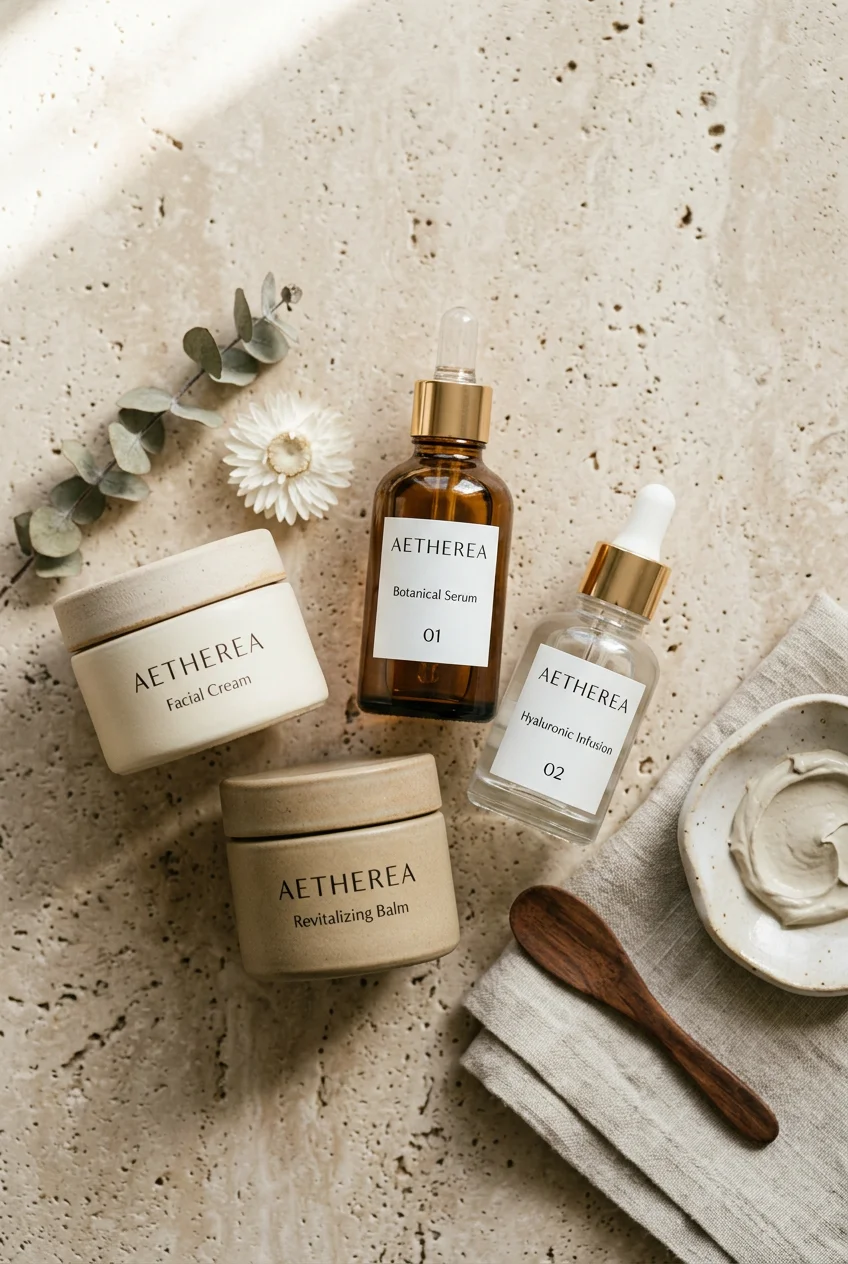
What’s Inside
- Embrace Green for Redness Neutralization
- Opt for Purple to Combat Dullness and Sallow Tones
- Monitor Vitamin C Serum’s Color for Potency
- Utilize Blue-Hued Products for Calming and Soothing
- Counteract White Cast with Tinted Mineral Sunscreens
- Bright Yellow Turmeric Formulas for Even Tone
- Pink and Rose Clays for Gentle Oil Absorption
- Black Charcoal for Deep Pore Congestion
- Opaque White Creams for Barrier Repair
- Blood Red AHA Peels for Surface Exfoliation
- Amber Honey Hues for Humectant Hydration
- Clear Translucent Layers for Deep Water Binding
Last Tuesday at Target, I caught myself staring blankly at an aisle overflowing with violently pink serums and neon blue toners. I realized I’d fundamentally misunderstood the concept of a skincare color palette. I used to just grab whatever clear gel promised to fix my chin acne without a second thought. But a functional skincare color palette isn’t about pretty packaging; it’s about understanding how the actual hues of ingredients and formulas interact with your skin’s chemistry and tone. The pigments in your bottles dictate everything from neutralizing inflammation to warning you when an active ingredient has degraded. If you’re ignoring the physical colors of what you apply, you’re missing out on basic color theory and chemical stability cues. I spent years applying oxidized, useless serums because I didn’t know what color they were supposed to be. Let’s break down the 12 specific shades you actually need to pay attention to, skipping the marketing fluff and focusing on what these colors physically do for your face. (Took me years to figure out, by the way).
1. Embrace Green for Redness Neutralization

Green-tinted products use basic color theory to counteract redness. Green sits directly opposite red on the color wheel. This makes a green skincare color palette essential if you deal with rosacea, broken capillaries, or general facial flushing. I learned this the hard way after trying to cover my winter windburn with layers of heavy foundation, which just looked cakey. I switched to the Dr. Jart+ Cicapair Tiger Grass Color Correcting Treatment SPF 30, which costs $52.00 for a 50ml jar. When you open it, it looks like a thick, pale green paste and smells strongly of medicinal herbs. I scoop out exactly a pea-sized amount—any more than that and you’ll look like a greasy ghost. The trick is to warm that tiny blob between your index fingers until it softens, then press it gently into your cheeks and around your nose. It takes about thirty seconds of patting for the green paste to oxidize into a muted beige that matches your actual skin. It won’t cover a massive cystic breakout, but it completely neutralizes that general, all-over redness. Dermatologists recommend the cica (Centella Asiatica) in this formula for its soothing properties, so you’re treating the inflammation while visually hiding it. You might also like: 15 Gorgeous Aesthetic Anti Aging Skincare You Haven’t Thought Of
2. Opt for Purple to Combat Dullness and Sallow Tones

Products with a subtle lavender or purple hue visually brighten your complexion by neutralizing yellow or sallow undertones. If you wake up looking completely drained, a purple-tinted primer creates an optical illusion of vibrancy. I bought Tatcha The Liquid Silk Canvas Primer for $55.00 (30g) at Sephora last month because my skin looked incredibly flat under my office’s fluorescent lights. I use exactly 1 pump after my sunscreen dries down. The fluid has a distinct pale lilac color and a slippery, silicone-like texture that fills in pores. I tried applying two pumps once, thinking more was better, and ended up with a chalky residue that made my foundation pill horribly. You only need a tiny drop to create a smooth, color-corrected canvas. The purple tint works subtly to bounce light off the high points of your face, making you look rested even when you aren’t. It’s a temporary cosmetic fix, but incorporating this specific shade into your routine bridges the gap between skincare and makeup, giving you a radiant glow on days when you skip foundation entirely. You might also like: 20 Creative Aesthetic Korean Skincare Worth Trying This Year
3. Monitor Vitamin C Serum’s Color for Potency

The color of your L-ascorbic acid serum is a critical warning system for its stability and efficacy. A fresh, potent Vitamin C serum should be clear to very pale yellow. If you’re paying attention to your skincare color palette, you’ll know exactly when your expensive actives expire. I use Skinceuticals CE Ferulic, which runs a steep $182.00 for a 30ml bottle. I apply 4 drops to clean, dry skin every single morning. The liquid feels slightly oily and smells faintly of hot dog water—a known quirk of the ferulic acid. A common mistake I made early on was keeping my bottle on a shelf in my steamy bathroom. After a month, the pale yellow liquid turned a deep amber brown. A light golden tint suggests early oxidation, which means it’s still somewhat active, but a dark orange or brown color indicates advanced, irreversible breakdown. The serum had lost its antioxidant benefits, and I essentially threw away a hundred dollars. Store your Vitamin C in a cool, dark place, make sure the cap is tightly sealed, and aim to finish the bottle within 3 months of opening. You might also like: 14 Clean Girl Skincare You Need to See

medicube No Cast Just Glow Collagen Sunscreen | SPF 50
medicube No Cast Just Glow Collagen Sunscreen | SPF 50 Broad Spectrum has been one of the most consistently praised picks in this category. 939 reviewers averaged 4.5/5.
4. Utilize Blue-Hued Products for Calming and Soothing

Skincare products with a natural blue tint usually contain ingredients known for aggressive anti-inflammatory properties, making them excellent for irritated or blemish-prone skin. The blue color often comes from Blue Tansy, an oil rich in chamazulene, which actively reduces redness and balances sebum production. I use the Herbivore Lapis Facial Oil, which costs $74.00 for a 50ml glass bottle. I massage exactly 3 drops onto my cleansed and toned skin as the final step in my nighttime routine. It has a very earthy, slightly sweet herbal smell and a thin, dry-oil texture that absorbs quickly. I initially bought a cheaper blue oil at Whole Foods—the Acure Radically Rejuvenating Blue Tansy Night Oil ($19.99 for 30ml)—which works well but has a much heavier, greasier finish that clogged my chin pores. The Herbivore version balances my combination skin without suffocating it. If you have angry, inflamed breakouts, adding a naturally blue-tinted oil to your routine helps soothe the physical irritation while locking in your lighter hydrating layers.
5. Counteract White Cast with Tinted Mineral Sunscreens

Mineral sunscreens containing zinc oxide and titanium dioxide are notorious for leaving a stubborn white cast, especially on deeper skin tones. This is where a brown or beige-tinted formula becomes mandatory. I used to avoid physical sunscreens entirely after buying a raw zinc stick from Sprouts that made me look like I was wearing mime makeup. Now, I use the EltaMD UV Physical Broad-Spectrum SPF 41, which costs $42.50 for an 85g tube. It uses 9% zinc oxide and 7% titanium dioxide, but the sheer beige tint completely eliminates the chalky finish. I apply a generous, quarter-sized amount to my face and neck 15 minutes before I leave the house. The texture is a lightweight, oil-free mousse that dries down to a matte finish. Most people apply way too little tinted sunscreen because they treat it like foundation. You still need that full quarter-teaspoon measurement to get the labeled SPF protection. The sheer tint just ensures you don’t look sickly while protecting your skin barrier from UV damage.
6. Bright Yellow Turmeric Formulas for Even Tone

Vibrant yellow products usually indicate the presence of turmeric or licorice root extract, both of which are powerhouse ingredients for targeting hyperpigmentation and uneven texture. I introduced the Sunday Riley C.E.O. Glow Vitamin C and Turmeric Face Oil ($40.00 for 15ml) into my routine last winter when I had lingering dark spots from hormonal breakouts. I press exactly 2 drops into my damp skin every other morning. The oil is an intense, bright golden yellow and has a slightly spicy, earthy scent. You have to be careful with this specific color palette—I ruined a white silk pillowcase because I applied it right before bed and the turmeric pigment transferred instantly. It’s best used during the day under your moisturizer. The yellow tint itself doesn’t color-correct your face like green or purple do, but it signifies a high concentration of antioxidants that physically break down melanin clusters over time. I’ve used this specific oil for eight months, and it’s the only thing that fades my post-acne marks without causing peeling.

Jade Gua Sha and Face Roller
A dependable everyday pick — Jade Gua Sha and Face Roller pulls in 12 ratings at 4.5 stars. Not flashy, just solid.
7. Pink and Rose Clays for Gentle Oil Absorption

When you’re dealing with excess oil but standard bentonite clay makes your face crack and peel, pink and rose-colored clays offer a much gentler alternative. The pink hue comes from a blend of red and white clays, providing mild oil absorption without stripping the skin barrier. I keep the Origins Original Skin Retexturizing Mask with Rose Clay ($32.00 for 75ml) in my cabinet for days when my pores look enlarged but my skin feels tight. I apply a 1-tablespoon layer across my T-zone using a flat silicone brush. It has a gritty texture from jojoba beads and smells faintly of grapefruit. My biggest mistake with clay masks used to be letting them dry until they flaked off like plaster. I once left this pink mask on for 30 minutes while watching TV, and my skin was red and stinging for two days afterward. (Trust me on this, don’t do it). You only need to leave it on for 10 minutes until it’s slightly tacky, then rinse it off with warm water. The pink clay draws out the surface sebum gently.
8. Black Charcoal for Deep Pore Congestion

Black skincare products rely on activated charcoal or dark clays to act like a magnet for environmental pollutants and deep-seated pore congestion. This is the heavy artillery of your skincare color palette. I use the Paula’s Choice Clear Purifying Clay Mask, which is $32.00 for an 85g tube. I bought it at Nordstrom after a week of wearing heavy makeup left my nose covered in blackheads. I apply a nickel-sized amount strictly to my nose and chin. The formula is a dense, opaque black paste that contains 0.5% salicylic acid alongside the charcoal. It doesn’t smell like much, maybe slightly earthy. Unlike the gentle pink clays, this black formula is aggressive. I only use it once every two weeks. If you apply a black charcoal mask to your entire face when you only have localized congestion, you’ll dehydrate your healthy skin zones. Keep the black pigments localized to the areas where you actually produce excess oil and experience stubborn blackheads.
9. Opaque White Creams for Barrier Repair

Thick, opaque white creams and ointments are the visual indicator of heavy occlusives and ceramides designed to trap moisture and repair a damaged skin barrier. When my skin is peeling from too much retinol, I skip the clear gels and go straight for the dense white stuff. I rely on the CeraVe Healing Ointment, which costs $18.99 for a massive 12 oz tub I grab during my regular Walmart runs. I take about a 1/2 teaspoon of the thick, greasy, translucent-white ointment and warm it in my palms before pressing it over my moisturizer at night. This is the classic slugging method. It feels heavy, sticky, and completely unglamorous. It will stick to your hair and your sheets. But the opaque, petrolatum-based formula creates an impenetrable seal over your skin, preventing transepidermal water loss while you sleep. If your skin is stinging when you apply your basic toner, you need to shelve your actives and switch to these heavy white occlusives until your barrier heals.

Clear Acrylic Makeup Organizers for Vanity,Countertop
Honestly, Clear Acrylic Makeup Organizers for Vanity surprised me — sturdier than it looks in the photos, and over 208 buyers gave it 4.5 stars.
10. Blood Red AHA Peels for Surface Exfoliation

Intensely red liquid exfoliants usually indicate a very high concentration of alpha-hydroxy acids (AHAs), often paired with a soothing colored extract like Tasmanian pepperberry to offset the chemical burn. The most famous example is The Ordinary AHA 30% + BHA 2% Peeling Solution, which is highly affordable at $9.50 for 30ml. I use exactly 1 dropper full for my entire face, avoiding the eye area completely. The liquid is a visceral, blood-red color with a thin, watery texture that stings immediately upon contact. I made the horrific mistake of applying this over a freshly popped pimple last year, and the burning sensation was so intense I had to wash it off after thirty seconds. You should only use this on completely dry, unbroken skin, and never leave it on for more than the recommended 10 minutes. The dark red color acts as a built-in safety mechanism—it’s highly visible, so you won’t accidentally forget you have a potent chemical peel sitting on your face.
11. Amber Honey Hues for Humectant Hydration

Products with a rich amber or golden-brown color frequently rely on honey, propolis, or royal jelly, which are incredible natural humectants that draw water into the skin. I use the Farmacy Honey Halo Ceramide Face Moisturizer ($48.00 for 50ml) during the dry winter months. It comes with a little magnetic metal spatula, and I scoop out exactly 1 dollop every morning. The cream is a pale yellow-amber color and smells exactly like raw, sweet honey. It has a dense, buttery texture that melts into the skin but leaves a slightly tacky finish for a few minutes. I purchased my first jar at Sephora because my standard lightweight lotion wasn’t cutting it against the office heater. The honey extracts provide antibacterial properties alongside deep hydration, making this amber palette perfect for dry skin that is still prone to occasional, minor breakouts. The sticky texture takes some getting used to under makeup, but it stops my foundation from flaking around my nose.
12. Clear Translucent Layers for Deep Water Binding

Clear, translucent liquids and gels form the foundational hydration layer of your routine. These are your hyaluronic acids, glycerin serums, and mucin essences that bind water without adding oil or heavy occlusives. I use the Cosrx Advanced Snail 96 Mucin Power Essence, which I buy in a two-pack at Costco for around $25.00 (100ml per bottle). I pump exactly 2 squirts onto my damp fingertips and pat it into my face right after cleansing. The texture is incredibly stringy and viscous—it literally stretches between your fingers like melted cheese. It has no smell and is completely colorless. Because it’s clear and oil-free, it sinks in rapidly and plumps up fine dehydration lines immediately. The biggest mistake people make with clear humectants is applying them to bone-dry skin. If you don’t provide water for the clear essence to bind to, it will pull moisture out of your deeper skin layers, leaving you drier than before. Always apply your clear layers to a damp face. (No exaggeration, it makes a world of difference).
Curating a skincare color palette isn’t just an aesthetic exercise; it’s a practical way to read your products and understand exactly what you’re putting on your face. From the redness-canceling power of green cica to the warning signs of dark orange Vitamin C, these hues tell a story about formulation and function. I highly recommend taking inventory of the colors sitting on your bathroom counter tonight to see if you’re missing a key functional shade. Pin this guide so you have a quick reference the next time you’re staring at a confusing shelf of serums!

EQQUALBERRY Vitamin Illuminating Serum | Niacinamide 4% +
EQQUALBERRY Vitamin Illuminating Serum | Niacinamide 4% + Brightening has been one of the most consistently praised picks in this category. 112 reviewers averaged 4.5/5.
Frequently Asked Questions
What does a green skincare color palette do?
Green-tinted skincare products use color theory to neutralize redness. Ingredients like cica (tiger grass) calm inflammation while the physical green pigment visually cancels out the red hues from rosacea, acne, or broken capillaries.
Why did my Vitamin C serum turn brown?
A brown or dark orange color indicates advanced oxidation. When L-ascorbic acid is exposed to heat, light, or air, it degrades and loses its antioxidant potency. A fresh serum should be clear or pale yellow.
How do purple primers help dull skin?
Purple or lavender tones sit opposite yellow on the color wheel. Applying a purple-tinted primer visually cancels out sallow, yellow undertones, creating a brighter, more vibrant complexion before you even apply foundation.
What ingredients make skincare products naturally blue?
Natural blue hues in skincare usually come from Blue Tansy oil, which contains a compound called chamazulene. This ingredient has powerful anti-inflammatory properties that help soothe irritated skin and balance excess oil production.
