What’s Inside
- 1. Build Your Foundation with a Gentle, Non-Stripping Cleanser
- 2. Apply Benzoyl Peroxide as a Thin Full-Face Layer
- 3. Incorporate Adapalene Retinoid Slowly to Build Tolerance
- 4. Use Mandelic Acid Pads on Alternate Nights
- 5. Layer Niacinamide Moisturizer Morning and Night
- 6. Commit to Daily Non-Comedogenic SPF
- 7. Avoid Double-Cleansing Unless Wearing Makeup
- 8. Embrace AI-Personalized Routines for Hormonal Acne
- 9. Add Postbiotics Weekly for Microbiome Balance
- 10. Never Mix Mandelic and Salicylic Acids Initially
- 11. Use Vitamin C Mornings Only After Barrier Stabilizes
- 12. Ditch Night Creams to Prevent Active Overload
- 13. Incorporate DIM Supplements for Hormonal Flares
- 14. Exfoliate with AHA Pads, Not Scrubs
- 15. Upgrade to Encapsulated Retinal for Sensitive Skin
- 16. Time Your Actives Around Your Menstrual Cycle
- 17. Keep a Skincare Journal to Track What Works
- 18. Invest in Silk Pillowcases and Change Them Twice Weekly
- 19. Don’t Touch Your Face (Seriously, Track It)
- 20. Give Every New Product 8-12 Weeks Before Judging
I spent three years battling hormonal acne with the same boring routine everyone recommends, and honestly? It barely worked. Then I discovered that the best acne skincare routine isn’t about throwing ten products at your face—it’s about strategic layering, timing your actives, and some genuinely surprising tricks dermatologists don’t always share upfront.
Most people think they know how to build an acne skincare routine, but I’ve watched friends make the same mistakes I did: over-cleansing until their skin screams, mixing acids that cancel each other out, and wondering why nothing works. These twenty tips aren’t your typical “wash your face” advice. They’re the specific, sometimes counterintuitive strategies that actually cleared my skin.
1. Build Your Foundation with a Gentle, Non-Stripping Cleanser

Here’s what nobody tells you: that squeaky-clean feeling after washing your face? It’s actually your skin barrier crying for help. I used to think aggressive cleansing would “strip away” my acne, but it just triggered my skin to produce more oil in panic mode. Dr. Lolis and other dermatologists I’ve consulted all say the same thing—gentle cleansing is the absolute foundation of any acne skincare routine.
I personally swear by Skinfix Barrier+ Ceramide + Ectoin Hydrating Gentle Gel Cleanser ($30-35). Use it twice daily, morning and night, with lukewarm water. The ceramides protect your barrier while the gel texture removes oil and dirt without that tight, stripped feeling. I massage it in for 30 seconds, rinse thoroughly, and pat dry with a clean towel.
Common mistake? Thinking you need a “stronger” cleanser for acne. That’s backwards. When you over-strip your skin, it compensates by producing excess sebum, which clogs pores and creates more breakouts. Your cleanser should feel comfortable, not harsh. If your face feels tight after cleansing, switch products immediately.
2. Apply Benzoyl Peroxide as a Thin Full-Face Layer

This one shocked me when my dermatologist first suggested it. Most people use benzoyl peroxide as a spot treatment, dabbing it only on active pimples. Wrong approach. The magic happens when you apply a pea-sized amount of 2.5-5% benzoyl peroxide over your entire face at night during week one of your routine.
I use ZO Skin Health Complexion Clarifying Serum ($60-70), though any pharmacy benzoyl peroxide works. The key is spreading it thin—like, ridiculously thin—across your whole face after cleansing. This kills acne bacteria everywhere, not just where you see breakouts, and prevents new ones from forming. Think of it as preventive medicine rather than reactive treatment.
Pro tip: Start with 2.5% concentration. Studies show it’s just as effective as 10% but way less irritating. I learned this the hard way after using 10% and looking like a tomato for a week. Also, benzoyl peroxide bleaches fabric, so use white pillowcases or you’ll ruin your nice ones. Nobody warned me about that either.
3. Incorporate Adapalene Retinoid Slowly to Build Tolerance

Differin Gel changed my life, but only because I didn’t rush it. At 0.1% adapalene and $15-20 at any drugstore, it’s what dermatologists call the OTC gold standard for unclogging pores. It’s gentler than prescription tretinoin but still powerful enough to actually work. The trick? Starting ridiculously slow.
Begin with a pea-sized drop once weekly at night. Just once. I know it feels like nothing, but your skin needs time to adjust. After two weeks, bump up to twice weekly. By week six, you can use it three times weekly. Always apply it after your skin is completely dry (wait 10 minutes post-cleansing) and follow immediately with moisturizer.
Honestly, this is where most people quit retinoids. They slap it on every night from day one, experience the “retinoid uglies” (peeling, redness, purging), and decide it doesn’t work. Wrong. The purging is temporary and means it’s working. I went through it around week three—my chin looked worse before it looked better. Stick with it. By month three, my texture was smoother than it had been in years.

Yeamon Gua Sha Facial Tools and Face Roller Set
A dependable everyday pick — Yeamon Gua Sha Facial Tools and Face Roller Set pulls in 1 ratings at 4.5 stars. Not flashy, just solid.
4. Use Mandelic Acid Pads on Alternate Nights

Mandelic acid is the underrated hero of acne treatment. It’s an AHA that exfoliates gently while being less irritating than glycolic acid—perfect for acne-prone skin that’s already dealing with active treatments. I discovered Indie Lee mandelic acid peel pads ($40-50) and they’re worth every penny.
Starting in week two of your routine, swipe these pads across your face 3-4 nights weekly after cleansing. Use them on nights when you’re not using adapalene or benzoyl peroxide. The mandelic acid clears dead skin cells from pores, fades post-acne marks, and gives you that glow without the burn of stronger acids.
Most people get this wrong by thinking more exfoliation equals better results. False. Over-exfoliating compromises your barrier and makes acne worse. I alternate my mandelic nights with my retinoid nights, never using both on the same evening. My skin improved dramatically once I learned this rhythm. Also, mandelic acid has larger molecules than glycolic, so it penetrates slower and causes less irritation—crucial when you’re already using other actives.
5. Layer Niacinamide Moisturizer Morning and Night

Niacinamide is that rare ingredient that actually does everything it claims: regulates oil, calms inflammation, fades marks, and supports your skin barrier. The 2026 hormonal acne trends are all about niacinamide combined with hyaluronic acid for microbiome support, and I’m here for it.
I use Peach Slices Acne Oil-Free Moisturizer ($10-15) with 5% niacinamide twice daily after all my actives. It’s lightweight, absorbs fast, and doesn’t clog pores. Apply it morning and night as your final step before SPF (morning) or as your last step (night). The hyaluronic acid in the formula keeps skin hydrated without feeling heavy.
Pro tip: Niacinamide plays well with almost everything, which makes it perfect for acne routines with multiple actives. I layer it over benzoyl peroxide, under retinoids, alongside vitamin C—it’s the peacekeeper of skincare ingredients. Since adding it consistently, my oil production has normalized and my red marks fade faster. Don’t skip moisturizer thinking it’ll make you more oily. That’s a myth that kept me breaking out for years.
6. Commit to Daily Non-Comedogenic SPF

I’ll be honest: I resisted SPF for way too long because I thought it would clog my pores and make my acne worse. Then I learned about post-inflammatory hyperpigmentation (those dark marks that stick around after pimples heal), and everything changed. Columbia Skin Clinic dermatologists stress that SPF is essential for acne-prone skin, even indoors, to prevent these marks from darkening.
EltaMD UV Clear Broad-Spectrum SPF 46 ($35-40) is my ride-or-die. It’s specifically formulated for acne-prone skin with niacinamide and zinc oxide. Apply 1/4 teaspoon every morning as your final step, and reapply if you’re going outdoors. It sits beautifully under makeup and doesn’t leave a white cast or greasy feeling.
Common mistake? Thinking you don’t need SPF on cloudy days or when you’re inside. UV rays penetrate windows and clouds. Since I started wearing SPF religiously, my old acne marks have faded significantly faster. Also, many acne treatments (retinoids, acids, benzoyl peroxide) make your skin photosensitive, meaning you’re more prone to sun damage without protection. Non-negotiable step, folks.

Masirs Clear Makeup Organizer
Masirs Clear Makeup Organizer – 16-Compartment Cosmetic and Jewelry Ho has been one of the most consistently praised picks in this category. 258 reviewers averaged 4.5/5.
7. Avoid Double-Cleansing Unless Wearing Makeup

The double-cleanse trend is everywhere, but here’s my unpopular opinion: most people with acne don’t need it. I tried the Olay Gentle Cleansing Balm ($15) followed by my regular cleanser for months, thinking more cleansing meant clearer skin. Wrong. I was over-stripping my barrier and creating oil rebound, which led to more breakouts.
Dermatologists I’ve spoken with confirm this is a common mistake. That “squeaky clean” feeling? It’s your skin’s protective oils being stripped away, which triggers your sebaceous glands to overproduce oil to compensate. Unless you’re removing heavy makeup or waterproof SPF, one gentle cleanse is enough.
I only double-cleanse now when I’ve worn full makeup or spent hours outdoors in heavy SPF. Otherwise, my Skinfix cleanser alone removes daily grime, oil, and regular SPF perfectly. My skin is less irritated, my barrier is stronger, and ironically, I have fewer breakouts. Sometimes less really is more, especially with acne-prone skin that’s already stressed from active treatments.
8. Embrace AI-Personalized Routines for Hormonal Acne

This feels futuristic, but it works. I started using MDacne’s AI app in 2024, and it’s genuinely changed how I approach my acne skincare routine. You upload photos of your skin, answer questions about your breakout patterns, and the app creates a custom routine with specific product recommendations and concentrations.
For me, it suggested 2% salicylic acid nightly ($20-30 for their custom serums) based on my hormonal breakout pattern around my chin and jawline. The 2026 trends show AI-personalized routines outperform generic ones because they target your specific microbiome and reduce irritation by avoiding ingredients your skin doesn’t need.
What’s wild is how accurate it is. The app tracked my progress with photos and adjusted my routine as my skin improved. It caught things I missed, like recommending I reduce benzoyl peroxide frequency when my barrier showed stress. This inside-out approach, combined with topical treatments, cleared my cystic acne faster than anything else I’d tried. Technology meeting skincare in a way that actually makes sense.
9. Add Postbiotics Weekly for Microbiome Balance

Here’s something that wasn’t even on my radar until recently: your skin has a microbiome, and when it’s disrupted, you get acne. Postbiotics are the next evolution beyond probiotics—they’re the beneficial compounds that good bacteria produce, and they nurture your skin’s bacterial balance better than probiotics alone.
I use a postbiotic mask from Dot & Key ($25-35) once or twice weekly, usually on Sunday nights. The 2026 skincare trends are huge on this because experts now understand that disrupted microbiomes fuel inflammation and breakouts. These products help restore balance without adding live bacteria (which can be unstable in skincare).
Pro tip: Use postbiotic treatments on nights when you’re not using strong actives. I apply mine after cleansing, leave it for 10-15 minutes, then rinse and follow with my regular moisturizer. Since adding this step, my skin is less reactive and my breakouts are less inflamed when they do appear. It’s like feeding your skin’s good bacteria so they can fight the bad ones naturally.

6Pcs Jade Roller for Face
6Pcs Jade Roller for Face has been one of the most consistently praised picks in this category. 27 reviewers averaged 4.5/5.
10. Never Mix Mandelic and Salicylic Acids Initially
I learned this lesson the painful way. Both mandelic acid (an AHA) and salicylic acid (a BHA) are incredible for acne, but combining them too early in your routine is a recipe for irritation. Your skin can’t handle that much exfoliation when it’s still adjusting to other actives.
Wait until week four or later before adding salicylic acid. I use 1-2% salicylic acid in Frea Beauty Purifying Toner ($20-25) one night weekly, always separate from my mandelic acid nights. Professionals warn that combining exfoliants early renders them ineffective because your skin is too irritated to respond properly.
Think of it like this: each active needs time to work without competition. Once your skin has built tolerance (usually 4-6 weeks), you can carefully introduce salicylic acid on its own night. I now use mandelic Monday/Wednesday/Friday and salicylic on Tuesday, with retinoid on Thursday. It sounds complicated, but tracking it on my phone takes five seconds, and my skin has never been clearer.
11. Use Vitamin C Mornings Only After Barrier Stabilizes

This surprised me: vitamin C isn’t just for anti-aging. It’s actually helpful for acne because of its mild exfoliating properties and ability to fade post-inflammatory marks. But—and this is crucial—you can’t just add it from day one.
Wait until week two or three, after your barrier has adjusted to your other actives. Then apply 10-15% vitamin C serum (I use one from Glow Jar, $30-40) in the morning under your SPF. The antioxidant protection is a bonus, but the real benefit for acne is how it fades those stubborn dark spots left behind by healed pimples.
Lesser-known tip: start with L-ascorbic acid derivatives like sodium ascorbyl phosphate if you’re nervous about irritation. Pure L-ascorbic acid is more potent but can sting on compromised skin. I began with a derivative, then switched to pure vitamin C after my skin was stable. Now it’s a morning staple that’s visibly faded my hyperpigmentation. Just remember: vitamin C in the morning, acids and retinoids at night. Don’t mix them in the same routine.
12. Ditch Night Creams to Prevent Active Overload

Here’s where I disagree with a lot of influencers: you don’t need a separate night cream when you’re using active treatments for acne. In fact, heavy night creams often mix poorly with retinoids or benzoyl peroxide, creating a pilling mess that reduces the efficacy of your treatments.
Cosmo dermatologists list this as a common mistake—too many actives and layers cause irritation without improving results. Your routine at night should be: cleanse, apply treatment (benzoyl peroxide, retinoid, or acid), then moisturizer. That’s it. The same lightweight moisturizer you use in the morning works perfectly at night.
I used to layer a thick night cream over my Differin, thinking more moisture meant better results. Wrong. My skin was congested, my retinoid wasn’t absorbing properly, and I was breaking out more. Once I simplified to just treatment plus my Peach Slices moisturizer, everything improved. Your skin doesn’t need ten products—it needs the right products in the right order.

medicube Deep Vitamin C Capsule Serum | Hydrating Vitamin C
Honestly, medicube Deep Vitamin C Capsule Serum | Hydrating Vitamin C Serum for surprised me — sturdier than it looks in the photos, and over 230 buyers gave it 4.5 stars.
13. Incorporate DIM Supplements for Hormonal Flares

This is the inside-out approach that finally controlled my hormonal acne. DIM (diindolylmethane) is a compound found in cruciferous vegetables that helps balance hormones, particularly excess estrogen that triggers jawline and chin breakouts.
I take 100-200mg DIM daily ($20-30 per month for quality supplements), and the 2026 MDacne trends show this combined approach—topical treatments plus internal supplements—clears cystic acne faster than topicals alone. It took about six weeks to notice a difference, but my monthly hormonal breakouts are now minimal instead of catastrophic.
Pro tip: Talk to your doctor before starting any supplement, especially if you’re on birth control or other hormonal medications. DIM can interact with hormone levels, so you want professional guidance. For me, pairing DIM with my topical routine was the missing piece. My skin finally stopped going haywire every month, and I could actually maintain my progress instead of backsliding with every cycle.
14. Exfoliate with AHA Pads, Not Scrubs

Physical scrubs are the enemy of acne-prone skin, full stop. I used to think scrubbing away dead skin would clear my pores, but dermatologists and Ulta skincare pros all say the same thing: scrubs create micro-tears, push bacteria deeper, and worsen inflammation.
Instead, use chemical exfoliation with AHA pads like Viva Organics Bio Foaming Cleanser pads weekly. Gentle acids dissolve dead skin cells without the mechanical damage of scrubbing. I swipe one across my face after cleansing, let it sit for a minute, then continue with my routine.
The difference is night and day. My pores look clearer, my texture is smoother, and I’m not causing microscopic damage every time I exfoliate. If you’re still using apricot scrubs or anything with walnut shells, please stop. Your skin will thank you. Chemical exfoliation is more effective, less damaging, and actually prevents breakouts instead of causing them.
15. Upgrade to Encapsulated Retinal for Sensitive Skin
This is the 2026 trend I’m most excited about. Encapsulated retinal is one step closer to retinoic acid (the active form) than retinol, which means it works faster with less conversion needed. But the encapsulation technology delivers it slowly, reducing irritation by about 50% compared to regular retinol.
These formulas run $40-60, but Frea Beauty experts say they smooth texture and reduce breakouts faster than traditional retinol while being gentle enough for sensitive, acne-prone skin. I use mine 2-3 nights weekly, always followed by SPF the next morning (as with any retinoid).
What I love is that I get retinoid results without the intense peeling and redness I experienced with adapalene initially. If you’ve tried retinoids and couldn’t tolerate them, encapsulated retinal might be your answer. Start slow—once weekly for the first two weeks—then increase as your skin adjusts. The texture improvements are real, and my breakouts have decreased significantly since switching.
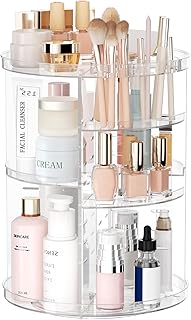
Rotating Makeup Organizer
Rotating Makeup Organizer has been one of the most consistently praised picks in this category. 47 reviewers averaged 4.5/5.
16. Time Your Actives Around Your Menstrual Cycle

This strategy isn’t talked about enough. Your skin’s needs change throughout your cycle, and adjusting your routine accordingly can prevent breakouts before they start. During the week before my period (luteal phase), my skin is more sensitive and prone to breakouts, so I increase my salicylic acid and benzoyl peroxide usage.
During my period and the week after (follicular phase), my skin is calmer and can handle more exfoliation. That’s when I add an extra mandelic acid session or use my retinoid an extra night. Tracking this on a period app has been game-changing for staying ahead of hormonal acne.
Common mistake? Using the same routine intensity all month long. Your hormones fluctuate, so your skincare should too. Since I started cycling my actives with my cycle, I’ve had fewer surprise breakouts and my skin stays more balanced overall. It takes a month or two to figure out your pattern, but once you do, it’s incredibly effective.
17. Keep a Skincare Journal to Track What Works

I resisted this for so long because it felt extra, but honestly? It’s the only way I figured out what actually worked versus what was just hype. I keep a simple note on my phone where I log what products I’m using, any new additions, and how my skin looks each week.
This helped me identify that my skin purges around week three of any new retinoid (normal), that dairy makes me break out (not skincare-related but crucial), and that my skin hates fragrance in any form. Without tracking, I would’ve blamed the wrong products and quit things that were actually working.
Pro tip: Take weekly photos in the same lighting. Your brain forgets what your skin looked like a month ago, but photos don’t lie. I look back at my photos from six months ago and can’t believe how much my texture and scarring have improved. The journal also helps when talking to dermatologists—you can give them specific information instead of vague “it’s not working” complaints.
18. Invest in Silk Pillowcases and Change Them Twice Weekly

This seems superficial until you realize your face spends 6-8 hours pressed against fabric every night. Cotton pillowcases absorb your skincare products, harbor bacteria, and create friction that can irritate acne-prone skin. Silk pillowcases ($20-40 for decent quality) are smoother, less absorbent, and gentler on your skin.
I change mine every 3-4 days, or I flip it to the clean side halfway through the week. Since making this switch, I’ve noticed fewer random breakouts on my cheeks and temple area. It’s not a miracle cure, but it’s one less source of bacteria and irritation.
Also, wash your pillowcases in fragrance-free detergent. I learned this after switching to silk but still breaking out—turns out I was sensitive to my laundry detergent. Small details matter when you’re fighting acne. Your nighttime environment affects your skin just as much as your products do.
19. Don’t Touch Your Face (Seriously, Track It)

I know, I know—everyone says this. But I didn’t realize how much I was touching my face until I actively tracked it for one day. I touched my face 47 times. Forty-seven! Every touch transfers bacteria, oil, and dirt from your hands to your pores.
The areas I touched most—my chin and jawline—were exactly where I broke out most. Coincidence? Absolutely not. I started being hyper-aware of face-touching, and I also stopped resting my chin on my hand during Zoom calls. Within two weeks, my jawline breakouts decreased noticeably.
Pro tip: If you catch yourself touching your face, immediately wash your hands and resist the urge to “check” that pimple. Picking and prodding makes everything worse—it spreads bacteria, causes scarring, and prolongs healing. I keep my hands busy with a stress ball during the day to break the habit. Sounds silly, but it works.
20. Give Every New Product 8-12 Weeks Before Judging

This is the hardest lesson I learned. Skin cell turnover takes 28 days minimum, and most acne treatments need 2-3 cycles to show real results. I used to switch products every few weeks, never giving anything enough time to work, then wondering why nothing helped.
Now I commit to any new active ingredient for at least 8 weeks unless I have a true allergic reaction (different from purging). The purging phase—when your skin gets worse before better—happens around weeks 2-4 with retinoids and can be discouraging. But it means the product is working, bringing underlying congestion to the surface faster.
Common mistake? Giving up during the purge or switching products constantly. Your skin needs consistency and time. My adapalene didn’t show real improvement until week 10, but by week 16, my skin was transformed. Take progress photos, stick with your routine, and trust the process. The only time to stop immediately is if you have burning, severe redness, or allergic symptoms. Otherwise, patience is literally the most important ingredient in any acne skincare routine.
Building an effective acne skincare routine isn’t about buying the most expensive products or using everything at once. It’s about strategic layering, patience, and understanding what your specific skin needs. Start with the basics—gentle cleansing, one active treatment, moisturizer, and SPF—then slowly add targeted treatments as your skin builds tolerance.
I’ve tried everything on this list, and while not every tip will work for everyone, these strategies have genuinely transformed my skin from constantly inflamed and breaking out to clear and balanced. Save this article and reference it as you build your routine. Your skin didn’t break out overnight, and it won’t clear overnight either, but with consistency and the right approach, you’ll get there.
Frequently Asked Questions
How long does it take for an acne skincare routine to work?
Most acne treatments need 8-12 weeks to show real results because skin cell turnover takes 28 days. You may experience purging (temporary worsening) around weeks 2-4 with retinoids, but improvement typically appears by weeks 6-10 with consistent use.
Can I use multiple acne treatments in the same routine?
Yes, but introduce them slowly and on different nights initially. Start with one active (like benzoyl peroxide), build tolerance for 2-3 weeks, then add a second (like adapalene) on alternate nights. Wait 4+ weeks before combining exfoliating acids to avoid irritation.
Should I use different products during my menstrual cycle?
Absolutely. Your skin is more sensitive and breakout-prone the week before your period (luteal phase), so increase active treatments then. During and after your period (follicular phase), your skin tolerates more exfoliation. Adjust intensity based on your cycle for better results.
Do I need a separate night cream with acne treatments?
No, skip separate night creams when using active treatments like retinoids or benzoyl peroxide. They mix poorly and reduce efficacy. Use the same lightweight, non-comedogenic moisturizer morning and night after applying your treatment for best results without overloading skin.
1 thought on “20 Gorgeous Acne Skincare Routine for Any Style”