What’s Inside
- 1. Switch to Filtered Water for Face Rinsing
- 2. Use EltaMD UV Clear Broad-Spectrum SPF 46 Daily
- 3. Incorporate a Stable 2026 Vitamin C Serum
- 4. Commit to LED Red-Light Therapy Devices
- 5. Simplify to 3 Core Products
- 6. Drink 80-100 oz of Filtered Water Daily
- 7. Apply Hyaluronic Acid to Slightly Damp Skin
- 8. Avoid Hot Water Showers
- 9. Reapply Sunscreen Every 2 Hours Outdoors
- 10. Declutter Cabinets to Under 10 Products
- 11. Use Peptides via Professional Consultation
- 12. Rinse with Filtered Water Before Cleansing
- 13. Incorporate Laser Genesis Treatments Quarterly
- 14. Store Vitamin C Serums in the Fridge
- 15. Pause Routines During High Stress
I spent two years trying to build a green skincare aesthetic that actually worked, not just looked pretty on my bathroom shelf. Most of us chase Instagram-worthy bottles while ignoring the basics that dermatologists beg us to prioritize. Here’s what I’ve learned through trial, error, and way too many impulse purchases at Sephora.
1. Switch to Filtered Water for Face Rinsing

I installed a basic showerhead filter from Home Depot last year and honestly, this changed how I approach my entire routine. Chlorine in tap water strips your skin barrier faster than any harsh cleanser, causing the dryness and dullness we blame on everything else. Dermatologists keep mentioning this overlooked upgrade but nobody listens.
I rinse morning and night with lukewarm filtered water now. The trick is applying ceramide moisturizer while your skin’s still damp—not soaking wet, just slightly moist. This locks in hydration way better than towel-drying completely first.
Most people get this wrong by using hot water or waiting too long to moisturize. Your skin should feel clean but never tight after rinsing. If it does, your water quality is probably the culprit, not your cleanser. A countertop filter pitcher works too if you can’t install a whole system. I personally keep mine next to my sink for easy access.
2. Use EltaMD UV Clear Broad-Spectrum SPF 46 Daily

I’m going to sound like a broken record, but sunscreen is the most powerful anti-aging step you’ll ever take. EltaMD UV Clear Broad-Spectrum SPF 46 sits on my counter because it’s non-comedogenic and doesn’t break out my acne-prone skin. Experts call this the gold standard for a reason.
Apply a nickel-sized amount—that’s about 1/4 teaspoon—to your face and neck every single morning. Even indoors. Even on cloudy days. I learned this the hard way after noticing sun damage on the left side of my face from car windows during my commute.
The common mistake? Thinking you need sun exposure to skip SPF. Indoor UV still ages your skin about 80% as much as outdoor exposure, which blew my mind when I first read the research. EltaMD costs around $40 but lasts me nearly three months. That’s cheaper than the retinol I’d need later to fix preventable damage. Mix it into your green skincare aesthetic by choosing reef-safe formulas when possible.
3. Incorporate a Stable 2026 Vitamin C Serum

Vitamin C serums used to frustrate me because they’d turn orange within weeks. The new 2026 formulas recommended by Cosmo editors actually stay stable and don’t pill under makeup. I apply 3-4 drops every morning after cleansing to fade dark spots and boost collagen production.
Balsamo, a skincare chemist I follow, says vitamin C protects from environmental damage when used consistently. The key word is consistently—not just when you remember. I keep mine in the fridge at 35-40°F to prevent oxidation, which is a game-changer for shelf life.
Common mistake: storing vitamin C at room temperature. Past formulas failed because they’d oxidize after two weeks on your bathroom counter. The 2026 versions last three months longer when refrigerated. Look for L-ascorbic acid at 10-20% concentration. I bought mine at Ulta for $38, and it’s lasted nearly four months with daily use. Pat it in gently, don’t rub aggressively.

BAIMEI IcyMe Jade Face Roller & Gua Sha
BAIMEI IcyMe Jade Face Roller & Gua Sha punches above its price — 544 buyers rated it 4.5 stars. I would buy it again.
4. Commit to LED Red-Light Therapy Devices

I’ll be honest—I bought an LED device two years ago and used it maybe five times before it collected dust. Beauty editors Julee Wilson and Beth Gillette stress that consistency is key for effectiveness, and they’re absolutely right. Sporadic use yields zero results, which is why most people think these devices are overhyped.
Now I use mine every other night for 10-20 minutes while I’m winding down with a book or podcast. The red light stimulates collagen production and reduces inflammation. I notice my skin looks plumper the next morning when I’m consistent about it.
Pro tip: set a recurring phone reminder for your therapy nights. I do Mondays, Wednesdays, and Fridays. The device I have is from CurrentBody and cost $350, but there are solid options at Target for under $100. Position it 6-8 inches from your face. Don’t expect miracles after one week—give it at least six weeks of regular use before judging results.
5. Simplify to 3 Core Products

This goes against everything Instagram tells you, but dermatologists endorse the “less is more” 2026 trend for good reason. I personally swear by keeping just three core products: gentle cleanser, moisturizer, and sunscreen. Everything else is extra.
Beth Gillette fixed her hormonal breakouts by limiting her routine to barrier-repair items only. I did the same thing and my skin calmed down within two weeks. The trick is introducing new products only every 4-6 weeks so you can actually track what’s helping versus hurting.
Most people overhaul their entire routine at once, then wonder why they’re breaking out. I made this mistake at 23 and spent months trying to figure out which product was the problem. Now I test one new item monthly, keeping detailed notes in my phone. Declutter your cabinet to under 10 products total. If something hasn’t worked in three months, toss it. Your skin will thank you for the simplicity.
6. Drink 80-100 oz of Filtered Water Daily

I know everyone says to drink more water, but I’m talking about filtered water specifically. Poor water quality worsens breakouts and redness, making this foundational for every skin type in 2026. I drink 80-100 oz daily alongside antioxidant-rich foods like berries and nuts.
Hydration experts say this matters more than most topical products because your skin reflects internal health first. I bought a 32-oz Hydro Flask and aim to finish three full bottles by bedtime. Sounds excessive, but my skin genuinely looks plumper and less dull.
The common mistake is chugging tap water full of chlorine and heavy metals, then wondering why your complexion looks tired. I use a Brita filter pitcher that costs $35 at Walmart and replace the filter every two months. Pair this with foods high in omega-3s and vitamin E. My go-to snack is almonds and blueberries around 3pm. Your skin cells need water from the inside out—no serum can replace that basic foundation.
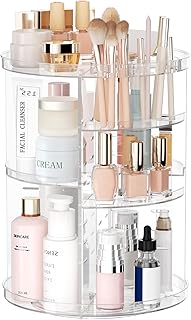
Rotating Makeup Organizer
A dependable everyday pick — Rotating Makeup Organizer pulls in 47 ratings at 4.5 stars. Not flashy, just solid.
7. Apply Hyaluronic Acid to Slightly Damp Skin

Hyaluronic acid and ceramide serums work best on slightly damp skin, not bone-dry. I wait about 30 seconds after patting my face dry, while it still feels a bit moist. Columbia Skin Clinic warns that over-exfoliating weakens barriers, which is a common mistake leading to irritation.
I learned this after destroying my skin barrier with daily glycolic acid use. Instead of more acids, I prioritized hyaluronic acid and ceramides for resilience. My skin bounced back within a month once I stopped stripping it constantly.
Pro tip: press the serum into your skin with flat palms, don’t rub in circles. I use The Ordinary Hyaluronic Acid 2% + B5, which costs $9 at Ulta. Layer it under your moisturizer while everything’s still slightly damp. This creates a moisture sandwich that holds hydration way better. If your skin feels tight after applying hyaluronic acid, you’re using it on too-dry skin or in low-humidity environments without sealing it properly. Always follow with a cream.
8. Avoid Hot Water Showers

Hot showers feel amazing but wreck your skin by stripping natural oils. I stick to lukewarm water for my evening routine now, especially when washing my face. Leaf Home experts highlight this as a top error causing dryness that we then try to fix with a million products.
The trick is pairing lukewarm water with a barrier cream on damp skin immediately after. I keep my CeraVe Moisturizing Cream right next to the shower so I don’t forget. It costs $16 at CVS and lasts forever because a little goes a long way.
Honestly, this changed how I think about skincare. We’re so focused on what we put on our skin that we ignore how we’re damaging it during basic hygiene. If you can’t give up hot showers completely, at least rinse your face with cool water at the end. Your skin will look less red and inflamed within days. I promise the temporary discomfort is worth avoiding that tight, itchy feeling later.
9. Reapply Sunscreen Every 2 Hours Outdoors

I used to think one morning application of SPF was enough. Wrong. You need to reapply every two hours outdoors at SPF 30 minimum, even if you’re using peptides or other fancy ingredients. Pure Aesthetics notes that peptides boost repair, but UV undoes all those gains.
Here’s a surprising fact: indoor UV still ages your skin about 80% as much as outdoor exposure. I keep a powder SPF in my bag for midday touch-ups over makeup. Colorescience Sunforgettable costs $69 but makes reapplication actually doable when I’m out running errands.
The common mistake is thinking your morning SPF lasts all day. It doesn’t. Sunscreen degrades with UV exposure, sweat, and touching your face. Set a phone alarm for every two hours if you’re spending time outside. I do this on beach days and it’s saved my skin from the angry red burns I used to get. Pair this with a wide-brimmed hat and you’re golden.

Masirs Clear Makeup Organizer
A dependable everyday pick — Masirs Clear Makeup Organizer – 16-Compartment Cosmetic and Jewelry Ho pulls in 258 ratings at 4.5 stars. Not flashy, just solid.
10. Declutter Cabinets to Under 10 Products

I had 30+ products crammed under my sink before I got real about what was actually working. Decluttering to under 10 products that support your skin’s microbiome makes tracking results so much easier. Beth Gillette learned that overhauling her routine caused breakouts, not fixed them.
Test one new item monthly to track reactions without overwhelming your skin. I keep a simple spreadsheet noting when I introduced each product and any changes I notice. Sounds nerdy, but it’s saved me from wasting money on things that don’t work for my skin type.
Focus on microbiome-supporting products in 2026—that means gentle, pH-balanced formulas without harsh sulfates. I tossed anything with fragrance or alcohol high on the ingredient list. My current lineup includes a gentle cleanser, hyaluronic acid serum, ceramide moisturizer, SPF, and a retinol for nights. That’s it. Everything else is just noise. Your green skincare aesthetic should be intentional, not cluttered with impulse buys that looked cute on TikTok.
11. Use Peptides via Professional Consultation

I’m not against peptides, but I think professional consultation matters more than DIY-ing it. Pure Aesthetics tailors plans for Florida humidity, which is a trending 2026 approach because climate affects how products perform. Peptides boost barrier strength when paired with gentle cleansers and rich moisturizers.
I apply my peptide serum twice daily post-cleansing, never skipping SPF afterward. The Ordinary’s Buffet costs $17 at Sephora and contains multiple peptide types. But honestly, I got better results after a derm helped me understand which peptides target my specific concerns versus just buying whatever was popular.
Pro tip: peptides work slowly. Give them three months minimum before deciding they’re not effective. I made the mistake of switching products every few weeks, which meant I never saw results from anything. Now I commit to at least 12 weeks with any active ingredient. Layer peptides under your moisturizer, not over it. They need to penetrate skin, not sit on top where they’ll just evaporate.
12. Rinse with Filtered Water Before Cleansing

This might sound redundant after tip one, but rinsing with filtered water before using your gentle, soap-free cleanser creates a clean foundation. Experts agree this amplifies how well serums like hyaluronic acid absorb afterward. Tap water irritates sensitive or aging skin before you even start your routine.
I use a soap-free cleanser from La Roche-Posay that costs $15 at Target. It doesn’t strip my skin or leave that squeaky-clean feeling that actually signals damage. I splash filtered water first, massage cleanser for 30 seconds, then rinse again with filtered water.
The common mistake is using harsh cleansers that foam like crazy. That foam comes from sulfates that destroy your acid mantle. Your morning cleanse should be gentle—you’re removing overnight oil and prepping skin for serums, not scrubbing off makeup. Save the deeper cleanse for evenings. My skin stopped feeling tight and irritated once I made this switch. It’s such a simple change but makes a huge difference.

6Pcs Jade Roller for Face
A dependable everyday pick — 6Pcs Jade Roller for Face pulls in 27 ratings at 4.5 stars. Not flashy, just solid.
13. Incorporate Laser Genesis Treatments Quarterly

I get Laser Genesis treatments every three months at my local med spa, and it’s the best money I spend on skincare. Renaissance MD says it enhances circulation for that natural glow while boosting collagen production. It’s not cheap—around $300 per session—but the results last.
Here’s something lesser-known: following up with daily SPF 30+ and an antioxidant-rich diet maintains results 2-3 times longer. I learned this after my first treatment wore off quickly because I wasn’t protecting my investment. Now I’m religious about sunscreen and eating berries, leafy greens, and nuts daily.
The treatment itself takes about 30 minutes and feels like a warm massage on your face. No downtime, which I love. My skin looks brighter and more even-toned for weeks afterward. Schedule these quarterly—I do January, April, July, and October. It keeps my skin looking fresh without overdoing it. Pair this with your at-home green skincare aesthetic routine for maximum impact.
14. Store Vitamin C Serums in the Fridge
I already mentioned this briefly, but it deserves its own section because it’s that important. Store your vitamin C serums in the fridge at 35-40°F to prevent oxidation. Cosmo editors note that past formulas failed because of improper storage, but 2026 versions last three months longer when refrigerated.
The common mistake is keeping them on your bathroom counter where heat and light destroy the active ingredients. I keep mine in a small skincare fridge I bought on Amazon for $35. It holds my vitamin C, eye cream, and jade roller perfectly.
Check your serum regularly. If it’s turning brown or orange, it’s oxidized and useless. Fresh vitamin C should be clear or very pale yellow. I replace mine every three to four months even when refrigerated, just to be safe. Apply it on clean, dry skin before your moisturizer. The cooling sensation from the fridge actually feels nice in the morning and helps depuff my face. Plus, there’s something satisfying about a dedicated skincare fridge that makes me more consistent with my routine.
15. Pause Routines During High Stress

This is controversial, but sometimes the best thing you can do for your skin is simplify during high-stress periods. Prioritize 7-9 hours of sleep over elaborate routines. Clinics emphasize that skin reflects fatigue first—no serum can fix exhaustion.
The 2026 self-care trend treats skincare as restoration, not just appearance. When I’m stressed, I stick to the absolute basics: gentle cleanse, moisturizer, SPF. That’s it. Skipping moisturizer dulls your complexion way more than skipping a fancy serum ever could.
I learned this during a brutal work deadline when I was sleeping four hours a night. My skin looked terrible despite using all my expensive products. Once I prioritized sleep and simplified my routine, everything improved within a week. Your body repairs skin during deep sleep, so no amount of topical products can replace that biological process. Listen to your skin. If it’s freaking out, strip back to basics and focus on sleep, hydration, and stress management. The fancy stuff can wait until you’re in a better place mentally and physically.
Building a green skincare aesthetic that actually works takes patience and intentionality. I’ve wasted so much money chasing trends instead of focusing on these foundational habits. Start with filtered water, consistent SPF, and simplifying your routine. Everything else is just bonus.
Save this list and come back to it when you’re tempted to overhaul everything at once. Your skin will thank you for the slow, steady approach instead of the chaotic product hopping most of us default to. Pin this for later so you can reference it whenever you need a reset.

EQQUALBERRY Vitamin Illuminating Serum | Niacinamide 4% +
Honestly, EQQUALBERRY Vitamin Illuminating Serum | Niacinamide 4% + Brightening surprised me — sturdier than it looks in the photos, and over 99 buyers gave it 4.5 stars.
Frequently Asked Questions
What is green skincare aesthetic?
Green skincare aesthetic combines eco-conscious product choices with minimalist routines focused on skin barrier health. It prioritizes filtered water, clean ingredients, and consistent basics like SPF over trendy products. The approach emphasizes quality over quantity with intentional, sustainable choices.
How long does it take to see results from a simplified skincare routine?
Most people notice calmer, less reactive skin within 2-3 weeks of simplifying to core products. Significant improvements in texture and tone typically appear after 6-8 weeks of consistency. Give new products at least 4-6 weeks before introducing another to properly track results.
Should I store all skincare products in the fridge?
Only vitamin C serums and products with unstable active ingredients benefit from refrigeration at 35-40°F. Most moisturizers, cleansers, and SPFs are fine at room temperature away from direct sunlight. Refrigeration can extend shelf life by preventing oxidation in sensitive formulas.
Why does filtered water matter for skincare?
Chlorine and heavy metals in tap water strip your skin’s natural barrier, causing dryness, irritation, and dullness. Filtered water prevents this damage and allows your skincare products to work more effectively. It’s an overlooked foundation that dermatologists consistently recommend for all skin types.