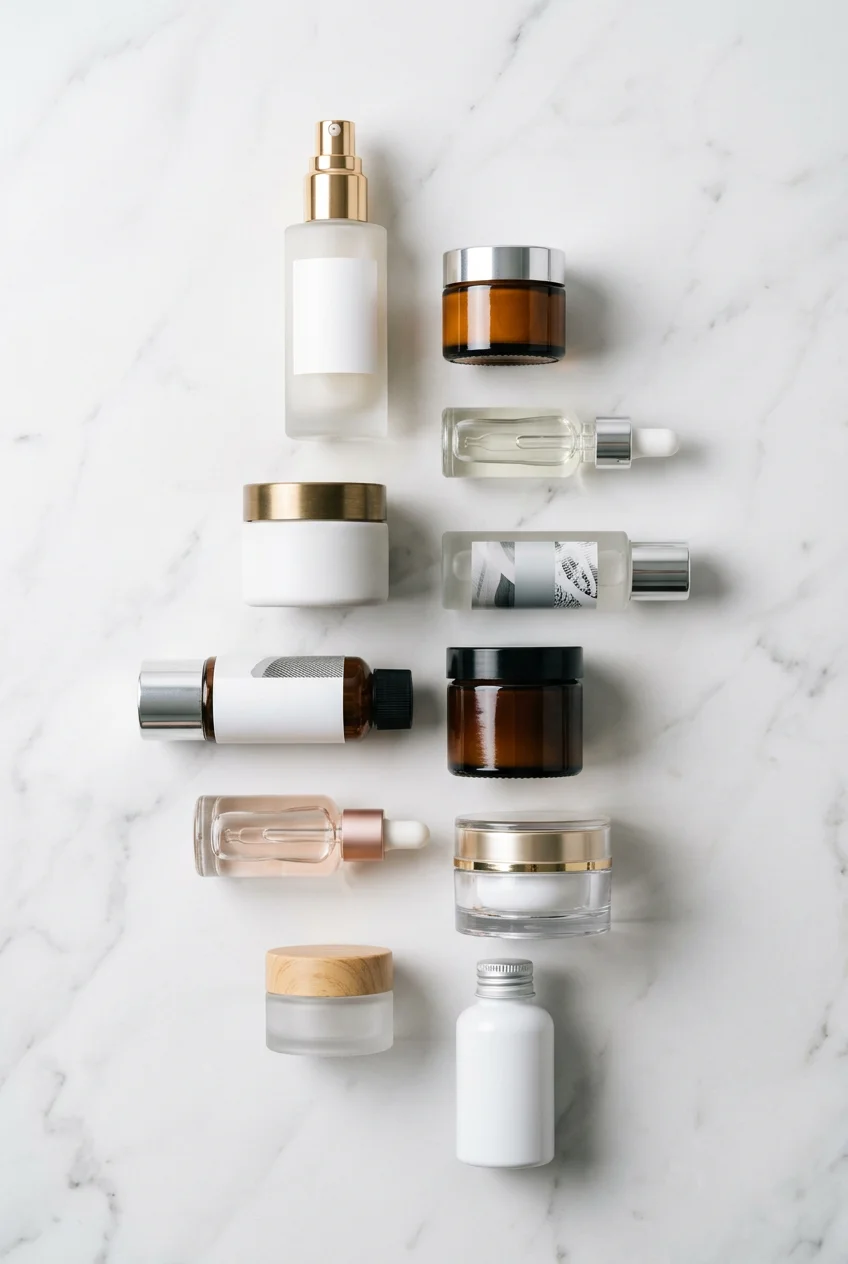
What’s Inside
- Double Cleanse with a Gentle Oil Cleanser
- Follow with a pH-Balanced Water-Based Cleanser
- Incorporate Exfoliating Toner Pads for Targeted Renewal
- Hydrate and Prep with a Milky Toner
- Boost Skin with a Glass Skin Essence
- Target Concerns with Potent Serums or Ampoules
- Embrace Bio-Regenerative Actives
- Indulge in Next-Gen Overnight Sheet Masks
- Treat the Delicate Eye Area with Specific Care
- Seal Everything with a Barrier-Strengthening Moisturizer
- Prioritize Daily Sun Protection
- Embrace Intelligent Minimalism with Hybrid Products
- Understand When to Stop Exfoliating
- Focus on Skin Barrier Repair Ingredients
- Adjust the Routine for Your Climate
I spent the entire winter of 2023 walking around with a face that felt like cracked parchment paper. I’d tried to build a 10-step Korean skincare routine using nothing but harsh drugstore acne scrubs. My cheeks were literally flaking off onto my black turtleneck during a work meeting. It wasn’t until I sat down, dug into the actual chemistry of a proper 10-step routine, and stopped treating my face like dirty grout that things finally improved. Applying ten random products won’t fix your barrier. Applying the right molecular weights in the right order will. I’m going to walk you through exactly how I structure this process now. Let’s look at the actual products, the specific prices, and the mechanical mistakes I made so you don’t repeat them. Seriously, don’t repeat them. I learned the hard way.
1. Double Cleanse with a Gentle Oil Cleanser

Starting your routine by melting away makeup and sunscreen requires a dedicated oil cleanser, not just splashing water on your face. I used to skip this step because I thought putting oil on my combination skin would cause breakouts. I was wrong. You need about a coin-sized amount of oil cleanser massaged directly onto dry skin for 60 seconds. The physical friction and the oil base break down the stubborn SPF filters and sebum that regular soap leaves behind. I currently use the Ma:nyo Pure Cleansing Oil, which runs around $17 at Target for a 200ml bottle. It smells faintly of rice bran and jojoba, and it emulsifies instantly when you add a splash of lukewarm water. The texture is thick enough that it doesn’t run down your arms, but it rinses completely clean. The only negative is the pump. It dispenses a bit too much product if you press it all the way down. Just press it halfway. You’re trying to dissolve sebum, not lubricate a car engine.
2. Follow with a pH-Balanced Water-Based Cleanser

After rinsing off your oil cleanser, you need a water-based cleanser to remove the remaining sweat and water-soluble dirt. The pH level here matters. If you use a highly alkaline cleanser, you’re physically stripping your skin’s acid mantle. I learned this the hard way last Tuesday at Walmart when I grabbed a generic foaming wash out of desperation while traveling. It left my skin squeaking, which is actually a sign of acute barrier damage. Instead, you want a formula with a pH between 4.5 and 6.5. The COSRX Low pH Good Morning Gel Face Cleanser costs around $14 for 150ml and smells strongly of medicinal tea tree oil. It’s a clear gel that lathers into a light, airy foam. I use a pea-sized drop. It doesn’t give you that tight, dry feeling after rinsing. Be warned: the tea tree scent is very strong and lingers. If you have a sensitive nose, you might hate it, but the chemical formulation is exactly what your barrier needs after the oil step.
3. Incorporate Exfoliating Toner Pads for Targeted Renewal

Physical scrubs made of crushed walnut shells are terrible for your face. They create microscopic tears in your epidermis. Instead, a proper 10-step Korean skincare routine uses chemical exfoliation through pre-soaked toner pads. You only need to do this 1 to 3 times a week. Using them daily will absolutely compromise your skin barrier. I bought the Medicube Zero Pore Pad 2.0 for $35 (a tub of 70 pads) last month. They’re soaked in a liquid blend of AHA and BHA acids. The pads have a textured side for physically sweeping away dead cells and a smooth side for patting the remaining liquid into your pores. The liquid smells slightly acidic, almost like weak apple cider vinegar. I made the mistake of using these right after a strong retinol serum once, and my cheeks burned for two full days. Keep your active ingredients separated. Use one pad, swipe it gently across your T-zone first, and then press it into areas where you get congestion.
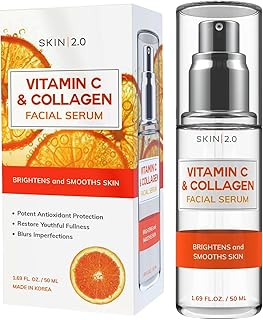
Skin 2.0 Vitamin C Serum – Dermatologist Tested
Skin 2.0 Vitamin C Serum – Dermatologist Tested has been one of the most consistently praised picks in this category. 45 reviewers averaged 4.5/5.
4. Hydrate and Prep with a Milky Toner

Traditional Western toners are often just alcohol-based astringents designed to dry out oil. Korean milky toners do the exact opposite. They’re formulated to dump hydration back into the skin immediately after cleansing. You need about a teaspoon of liquid poured directly into the palm of your hand. Don’t use a cotton round. The cotton just absorbs the product and wastes your money. Pat the liquid directly onto your face. I picked up the Laneige Cream Skin Cerapeptide Toner and Moisturizer for $36 (170ml bottle). It looks exactly like skim milk and feels slightly slippery on the fingers. I was standing in the skincare aisle at Whole Foods looking at their natural toners, but none of them had the specific ceramide concentration of this Laneige formula. It absorbs in about thirty seconds and leaves a slight tackiness on the skin. The bottle is heavy frosted glass, which looks nice on a counter but is terrifying to drop on a tile bathroom floor. I’ve nearly shattered it twice. Trust me.
5. Boost Skin with a Glass Skin Essence

Essences are essentially concentrated hydrators that alter the permeability of your skin, allowing the heavier serums that follow to penetrate deeper. The texture is usually somewhere between plain water and a light syrup. I use 2 to 3 pumps of the Mixsoon Bean Essence, which costs around $35 for 50ml. It has a very distinct, slightly stringy texture because it’s formulated with fermented soybean extract. When you first pump it out, it feels almost like synthetic snail mucin. You have to pat it aggressively into your skin until the stringiness disappears. I’ve used this for six months now, specifically because the fermentation process helps balance my sebum production around my nose. The packaging is a simple plastic pump bottle that feels a bit cheap for the price, but the formulation inside is clinically effective. If you apply this to a completely dry face, it won’t absorb properly. Your skin needs to still be slightly damp from the milky toner step for the essence to bind effectively.
6. Target Concerns with Potent Serums or Ampoules

This is the step where you treat specific chemical issues, like hyperpigmentation or severe dehydration. Serums and ampoules deliver high concentrations of active ingredients. I keep two different serums in my cabinet depending on what my skin is doing. For pure hydration, I use the Torriden Dive-In Low Molecular Hyaluronic Acid Serum. It costs $15 for 50ml. It uses five different molecular weights of hyaluronic acid to penetrate different layers of the skin. The dropper dispenses a pale blue liquid that has zero scent. I bought a backup bottle at Sprouts when I saw it on an import endcap. If my skin looks dull, I switch to the Beauty of Joseon Glow Serum containing propolis and niacinamide. That one is $17 for 30ml and has a thicker, honey-like consistency. The propolis serum takes a full two minutes to dry down. If you rush and apply your next layer too quickly, it will pill up into tiny white balls along your jawline. I learned that while rushing to get ready for a morning meeting.

EQQUALBERRY Vitamin Illuminating Serum | Niacinamide 4% +
A dependable everyday pick — EQQUALBERRY Vitamin Illuminating Serum | Niacinamide 4% + Brightening pulls in 108 ratings at 4.5 stars. Not flashy, just solid.
7. Embrace Bio-Regenerative Actives

The current shift in skincare science focuses heavily on bio-regenerative ingredients. We’re moving past basic exfoliating acids and into complex compounds like PDRN, derived from salmon DNA, and exosomes. These ingredients physically signal your cells to repair themselves. I started testing the Anua PDRN Hyaluronic Acid Capsule 100 Serum about three weeks ago. It retails for $28 for a 30ml bottle. The serum contains tiny visible capsules suspended in a clear gel matrix. You need exactly one full dropper for your entire face and neck. When you massage it in, the capsules burst and blend into the gel. It has a faint, slightly marine smell that dissipates quickly. The texture is heavier than a standard hyaluronic acid, leaving a distinct film on the skin for about five minutes. I don’t recommend using this under heavy liquid foundation because the film can cause your makeup to slide around. It works best as a nighttime treatment when cellular turnover is at its peak.
8. Indulge in Next-Gen Overnight Sheet Masks

Standard cotton sheet masks that you wear for fifteen minutes are fine for a temporary hydration boost, but overnight collagen wrapping masks actually force ingredients into the epidermis through physical occlusion. These masks go on white and turn completely transparent as they dry and the ingredients absorb. I use the Biodance Bio-Collagen Real Deep Mask, which costs $19 for a single mask. It’s made of a thick hydrogel material that feels like cold, wet silicone against your face. You leave it on for 3 to 4 hours, or ideally overnight. I tried sleeping in one last Friday. The mask adheres tightly, so it won’t slide off onto your pillow, but it does feel highly restrictive. You can’t really talk or drink water easily while wearing it. When you peel it off in the morning, the hydrogel is paper-thin because all the ultra-low molecular weight collagen and oligo hyaluronic acid has transferred into your skin. It physically plumps fine lines, though the effect only lasts about 48 hours before you need to repeat the process. You might also like: 14 Simple Skincare Routine for Every Budget
9. Treat the Delicate Eye Area with Specific Care

The skin around your eyes is significantly thinner than the rest of your face and lacks sebaceous glands. This means it dries out faster and shows mechanical damage from rubbing much earlier. You need exactly a pea-sized amount of eye cream for both eyes combined. Tap it in gently using your ring finger, because that specific finger exerts the least amount of pressure. I use the COSRX Advanced Snail Peptide Eye Cream. It comes in a 25ml pump bottle and costs $23. I actually found a two-pack of this at Costco last month for a slight discount. The formula contains 73% snail mucin alongside peptides and niacinamide. It has a slightly stringy texture, similar to the bean essence I mentioned earlier, and feels cooling on contact. The pump is fantastic and dispenses tiny, controlled amounts. However, if you get this too close to your lash line, it will migrate into your eyes and cause a blurry film over your vision for about ten minutes. Keep it strictly on the orbital bone. You might also like: 20 Creative Aesthetic Korean Skincare Worth Trying This Year

Yeamon Gua Sha Facial Tools and Face Roller Set
Yeamon Gua Sha Facial Tools and Face Roller Set punches above its price — 1 buyers rated it 4.5 stars. I would buy it again.
10. Seal Everything with a Barrier-Strengthening Moisturizer

Every step in your 10-step Korean skincare routine up to this point has been about adding water and water-soluble actives to the skin. Now you need an occlusive layer to trap that moisture so it doesn’t evaporate into the dry air. This process is called preventing transepidermal water loss. For this, I rely on the ILLIYOON Ceramide Ato Concentrate Cream. It’s incredibly cost-effective at $14 for a massive 230ml tube. The texture is dense, almost like a thick paste, and it contains tiny ceramide capsules that melt as you rub it in. I use about a dime-sized amount for my face and neck. It’s completely fragrance-free, which I prefer, but it does smell slightly like raw plastic straight out of the tube. It takes a solid three minutes to fully absorb and leaves a matte finish on the skin. If you have very oily skin, this cream might feel too heavy for daytime use under makeup, but it’s structurally perfect for repairing a damaged barrier overnight. You might also like: 20 Gorgeous Aesthetic Products Korean Skincare for Every Budget
11. Prioritize Daily Sun Protection

Applying sunscreen is a strict chemical requirement, not an optional cosmetic step. UV radiation degrades collagen and triggers melanin overproduction. You must apply at least a 1/4 teaspoon of sunscreen to your face to achieve the actual SPF rating printed on the bottle. I measure this out using the two-finger method. The Beauty of Joseon Relief Sun: Rice + Probiotics SPF50+ PA++++ is currently my standard daily SPF. It costs $18 for a 50ml tube. I was actually in the sunscreen aisle at Kroger looking at chalky mineral sunscreens when my friend texted me to order this online instead. The texture is identical to a lightweight hydrating lotion. It uses newer chemical UV filters that aren’t approved in US drugstores yet, which is why it leaves absolutely zero white cast, even on darker skin tones. The drawback is that it isn’t water-resistant. If you sweat heavily or go swimming, this formula will melt right off your face and sting your eyes intensely.
12. Embrace Intelligent Minimalism with Hybrid Products

While I’m outlining a full routine here, current formulation science allows for intelligent minimalism. This means using hybrid products that combine two steps into one without sacrificing the chemical efficacy of either layer. On mornings when I don’t have time to wait for individual layers to dry, I combine my serum and moisturizer steps. I use the Dr. Ceuracle Vegan Kombucha Tea Essence, which is a bi-phase milky essence. It costs $38 for 150ml. You have to shake the glass bottle vigorously to mix the cream layer with the kombucha tea layer. I pour about a tablespoon into my hands and press it in. It delivers the hydration of a toner and the lipid barrier protection of a light moisturizer simultaneously. The fluid is pale brown and smells distinctly like earthy black tea. If you don’t shake it enough, you just get a handful of watery tea extract that does nothing for your lipid barrier. It’s a highly efficient product if used correctly.

COSRX Vitamin E Vitalizing Sunscreen,SPF 50 Face Sunscreen
COSRX Vitamin E Vitalizing Sunscreen punches above its price — 42 buyers rated it 4.5 stars. I would buy it again.
13. Understand When to Stop Exfoliating

The fastest way to ruin your skin is by combining too many exfoliating acids in a single session. I made this mistake last year. I used a salicylic acid cleanser, followed by an AHA toner pad, and topped it with a retinol serum. Within 48 hours, my skin was bright red, tight, and stinging when I applied plain tap water. You should only use one exfoliating product per routine, max 3 times a week. If I’m using my Medicube Zero Pore Pads (the $35 ones I mentioned earlier), I strictly use a plain, non-active cleanser beforehand. I measure out exactly one pad and focus only on my nose and chin where blackheads form. I avoid my cheeks entirely because they don’t need the chemical turnover. Listen to the tactile feedback your skin gives you. If your face looks shiny like a plastic doll, or if your regular moisturizer suddenly stings, you’ve stripped your acid mantle. Stop all acids immediately and switch to plain water washing for three days.
14. Focus on Skin Barrier Repair Ingredients

Barrier repair is the foundational principle of modern skincare. If your barrier is compromised, water escapes and bacteria enter. You need ingredients like ceramides, panthenol, and centella asiatica to patch the holes. I specifically look for panthenol (Vitamin B5) because it acts as both a humectant and an emollient. I use the Purito B5 Panthenol Re-barrier Cream, which is $19 for an 80ml tube. I apply a 1/2 inch ribbon of this cream whenever my face feels tight. I tried using a basic vitamin E oil from Trader Joe’s for barrier repair once, but the molecular size of the oil was too large, and it just sat on top of my skin causing closed comedones. The Purito cream has a gel-like consistency that absorbs quickly. It contains 10% panthenol, which instantly stops that tight, itchy feeling you get from cold wind or air conditioning. The tube is made of a recycled plastic that makes it very difficult to squeeze out the last 10% of the product, which is frustrating.
15. Adjust the Routine for Your Climate

You can’t use the exact same products in humid August that you use in freezing January. A 10-step Korean skincare routine requires seasonal adjustment based on ambient humidity. In the winter, the dry air pulls moisture out of your skin. I switch to heavier occlusives, like adding 3 drops of squalane oil to my nighttime moisturizer. I buy the Biossance 100% Squalane Oil for $32 (100ml). In the summer, when the humidity is high, that same routine will cause massive congestion and breakouts. During July, I drop the heavy ceramide creams entirely and finish my routine with a lightweight gel. I use the IUNIK Centella Calming Gel Cream, which is $12 for 60ml. I apply a nickel-sized amount. It smells faintly of botanical water and sinks in instantly. I learned to adjust my routine after spending a week in Florida wearing my winter skincare layers. My face was a greasy, melted mess by noon every single day. Pay attention to the dew point, not just the temperature.
Building a solid routine doesn’t mean you have to buy everything at once. I’d rather use a simple routine with three good products than a complex one with ten bad products. Start with a proper double cleanse, a moisturizer, and a sunscreen. Once your barrier is stable, you can start adding in the essences and ampoules. I’ve spent years testing these formulations, and the specific products I listed above are chemically sound and reasonably priced. Pin this guide to your skincare board so you can reference the exact measurements and prices the next time you’re restocking your bathroom cabinet. It took me years to figure out, no exaggeration.

medicube No Cast Just Glow Collagen Sunscreen | SPF 50
medicube No Cast Just Glow Collagen Sunscreen | SPF 50 Broad Spectrum punches above its price — 861 buyers rated it 4.5 stars. I would buy it again.
Frequently Asked Questions
Do I have to do all 10 steps every single day?
No. The 10 step korean skincare routine is a framework, not a daily mandate. You only use exfoliants and sheet masks 1-3 times a week. Daily essentials are cleansing, moisturizing, and sunscreen. You adjust the other steps based on your skin’s daily needs.
How long should I wait between applying each layer?
You don’t need to wait long between hydrating layers like toners and essences; applying them to damp skin actually helps absorption. However, wait about 1-2 minutes for thicker serums or active ingredients to dry down before applying your final moisturizer to prevent pilling.
Is a 10 step korean skincare routine good for acne-prone skin?
Yes, but you must focus on soothing and barrier-repairing ingredients rather than harsh scrubs. Double cleansing helps remove excess sebum, while lightweight hydrators like snail mucin and centella asiatica calm inflammation without clogging pores.
Can I mix Western and Korean products in this routine?
Absolutely. The routine is about the specific chemical function of each step (cleansing, prepping, treating, sealing), not the country of origin. You can easily use a Western chemical exfoliant alongside a Korean milky toner and snail essence.
