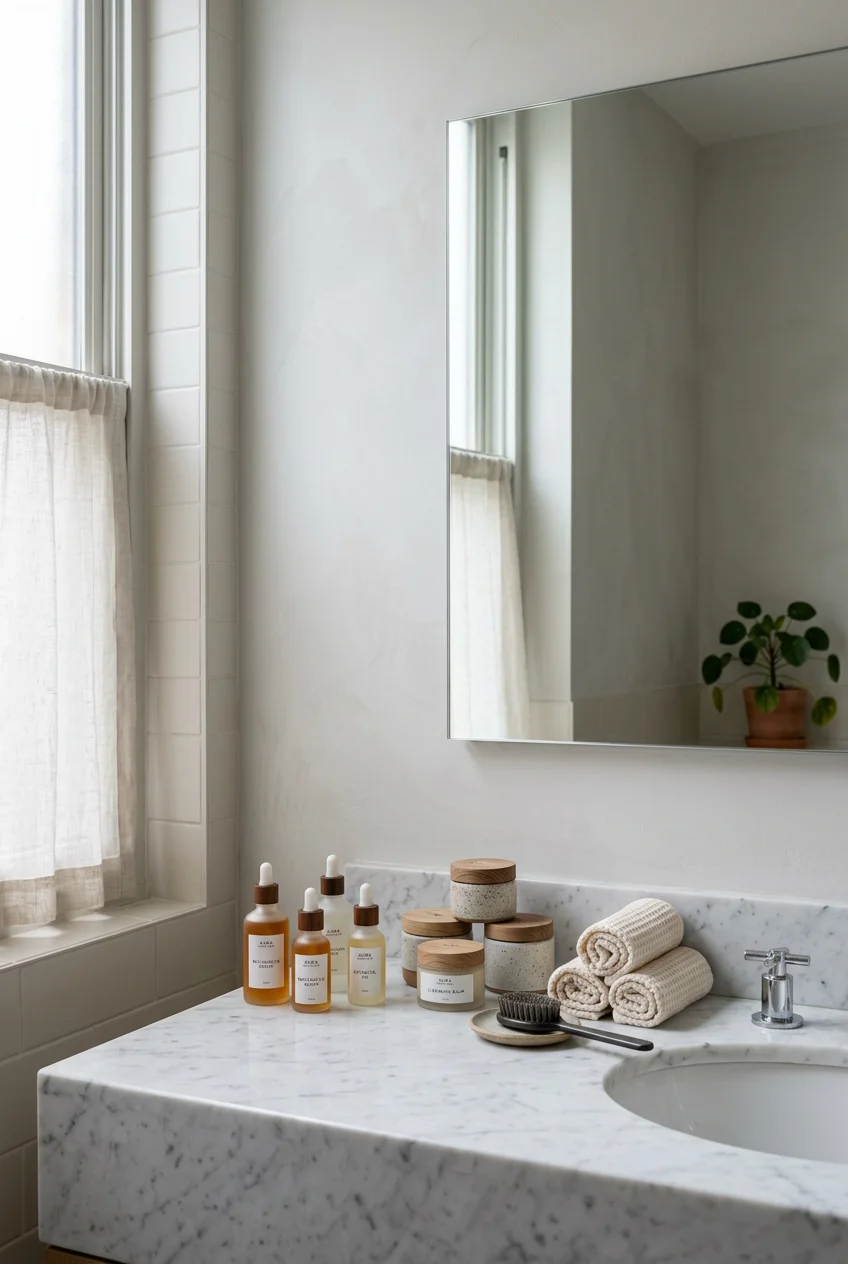
What’s Inside
- Embrace Hyaluronic Acid for Multi-Level Hydration
- Power Up with a High-Concentration Vitamin C Serum
- Start Low and Go Slow with Retinoids
- Incorporate Niacinamide for Barrier Support and Oil Regulation
- Exfoliate Smartly with AHAs and BHAs
- Boost Collagen with Copper Peptides
- Repair Your Skin Barrier with Ceramides
- Never Skip Broad-Spectrum SPF 50+
- Ectoin for Extreme Barrier Protection
- Postbiotics for a Healthy Skin Microbiome
- Snail Mucin for Regeneration and Repair
Last Tuesday at Whole Foods, my chin was peeling so badly the cashier offered me a tissue. She thought I was crying over the price of organic avocados. I wasn’t. I was just testing a poorly formulated 10% glycolic acid cream without proper barrier support. That embarrassing mistake is exactly why I put together this 11 skincare ingredients guide. As a researcher, I spend forty hours a week reading clinical trials, analyzing ingredient lists, and testing formulations on my own face. I do this so you don’t have to walk around looking like a shedding snake in the produce aisle. Learned that the hard way. A good guide requires actual chemical data, not marketing fluff. I’m skipping the vague promises. You won’t find me calling a product a miracle. Instead, I’m giving you the exact chemical percentages, the specific prices, the precise measurements, and the unglamorous truths about what actually works. The beauty industry wants you confused. They want you buying thirty different pastel bottles that all do the same thing. Let’s strip away the branding and look at the science. We’re focusing on clinical thresholds, pH levels, and molecular weights. If a product doesn’t have the data to back up its claims, it doesn’t go on my face. Here’s the breakdown of what you actually need.
1. Embrace Hyaluronic Acid for Multi-Level Hydration

Most people buy a generic hyaluronic acid serum, slap it on a dry face, and wonder why their skin feels tighter than before. Hyaluronic acid is a humectant. It pulls water from its environment. If you apply it to a bone-dry face in a dry room, it pulls water straight out of your deeper skin layers. I tried this wrong for months. You must apply it to damp skin. Furthermore, you need a formula with multiple molecular weights. High molecular weight sits on the surface to smooth dry patches, while low molecular weight penetrates deeper to plump the skin.
For a clinically sound option, I buy The Ordinary Hyaluronic Acid 2% + B5 Serum. It costs $8.90 for a 30ml bottle. I pick this up at Target when I’m buying household supplies. The formula contains five different forms of hyaluronic acid to hydrate various skin layers, plus soothing Vitamin B5. The texture is viscous and slightly tacky. It feels a bit like liquid aloe vera gel. Apply exactly 3 drops to your face immediately after cleansing while your skin is still visibly wet. Pat it in until the tacky feeling dissipates. Then, you must lock it in with a standard moisturizer. If you skip the moisturizer, the water just evaporates right off your face.
2. Power Up with a High-Concentration Vitamin C Serum

Vitamin C is notoriously unstable. If you buy a cheap derivative in a clear plastic bottle, you’re essentially rubbing expensive water on your face. For actual antioxidant protection and hyperpigmentation fading, you need L-ascorbic acid in a 10% to 20% concentration, formulated at a pH below 3.5. Anything less acidic simply won’t penetrate the stratum corneum.
I strictly use the Timeless 20% Vitamin C + E Ferulic Acid Serum. It costs $26.95 for a 1 oz glass pump bottle. I order it directly from the manufacturer to ensure a fresh batch, though I’ve seen lesser dupes sitting on the shelves at Walmart under hot fluorescent lights. Be warned. This serum smells exactly like hot dog water. It’s an unpleasant, metallic, meaty scent caused by the ferulic acid. The smell fades after two minutes, but it’s jarring the first time. Trust me. Apply exactly 2 pumps to dry skin in the morning. Let it absorb completely before adding your next layer. Because L-ascorbic acid oxidizes rapidly when exposed to air and heat, I keep my bottle in the butter compartment of my refrigerator. Once the pale yellow liquid turns dark orange, the active ingredient is dead. Throw it out.
3. Start Low and Go Slow with Retinoids

Retinoids are the only clinically proven topical ingredients that speed up cellular turnover and stimulate collagen production. But you can’t just jump into the deep end. Three years ago, I bought a massive pump bottle of a 1% retinol cream from Costco. I applied a thick layer every night. By day four, my face was bright red, stinging, and flaking off in large chunks. I ruined my skin barrier for a solid month.
You have to start low and go slow. I recommend the CeraVe Resurfacing Retinol Serum. It runs $17.99 for a 1 oz tube. It uses encapsulated retinol, meaning the active ingredient is housed in a lipid sphere that slowly dissolves, drastically reducing irritation. The concentration is around 0.3%. The texture is a lightweight, milky gel that absorbs in about thirty seconds. Squeeze out exactly one pea-sized amount. That tiny bead is enough for your entire face. Use it only two nights a week for the first three weeks. If your skin doesn’t sting when you apply your regular moisturizer, you can increase to three nights a week. Don’t use this if you’re pregnant or breastfeeding.

medicube No Cast Just Glow Collagen Sunscreen | SPF 50
A dependable everyday pick — medicube No Cast Just Glow Collagen Sunscreen | SPF 50 Broad Spectrum pulls in 939 ratings at 4.5 stars. Not flashy, just solid.
4. Incorporate Niacinamide for Barrier Support and Oil Regulation

Niacinamide, or Vitamin B3, is the workhorse of any clinical routine. It strengthens the lipid barrier, calms inflammation, and regulates sebum. Clinical studies show that a 5% concentration reduces oil production by up to 20% over four weeks. The problem is that brands keep pushing 10% or even 20% serums. Those high percentages don’t offer better results. They just cause severe redness and contact dermatitis.
I look for strictly 5% formulations. Medik8 Niacinamide Peptides is a fantastic option at $64.00 for 30ml. It combines niacinamide with a peptide complex to refine pores. If you’re on a budget, I often grab the Good Molecules Niacinamide Serum at Sprouts for $6.00 for a 30ml bottle. It hits that perfect 5% sweet spot without unnecessary fillers. The texture is incredibly watery. It slips over the skin and dries down to a matte finish in ten seconds. I use 4 drops every morning right after my Vitamin C serum. It takes about six weeks of consistent daily use to see a visible reduction in pore size and oil slickness by 3 PM.
5. Exfoliate Smartly with AHAs and BHAs

Chemical exfoliants dissolve the glue holding dead skin cells together. Alpha Hydroxy Acids (AHAs) like glycolic acid are water-soluble and work on the surface. Beta Hydroxy Acids (BHAs) like salicylic acid are lipid-soluble, meaning they can actually penetrate inside the pore to dissolve hardened oil. Over-exfoliating is the most common mistake I see. Scrubbing your face with acids every day will destroy your acid mantle. You might also like: 15 Brilliant Aesthetic Instagram Night Routine Skincare That Actually Work
I rely on Paula’s Choice 2% BHA Liquid Exfoliant. It costs $35.00 for a 4 oz bottle. It’s a thin, clear liquid that smells faintly medicinal. I pour exactly 1/2 teaspoon into my palm and press it directly into my skin, focusing on my nose and chin where sebaceous filaments gather. It leaves a slightly greasy, shiny film on the skin for about three minutes before fully absorbing. I only use this twice a week. On the nights I use this BHA, I absolutely don’t use my retinol. Mixing strong acids with retinoids is a guaranteed recipe for chemical burns. Keep your active nights separated.
6. Boost Collagen with Copper Peptides

Peptides are short chains of amino acids that act as messengers in the skin. They signal your cells to produce more collagen and elastin. Copper peptides specifically, known chemically as GHK-Cu, are fascinating because they also promote wound healing and act as powerful antioxidants. You might also like: 14 Simple Skincare Routine for Every Budget
I use The Ordinary Multi-Peptide + Copper Peptides 1% Serum. It costs $32.80 for a 30ml glass dropper bottle. I usually pick this up during my weekend Target runs. The first thing you’ll notice is the color. It’s a vibrant blue liquid. That isn’t artificial dye. It’s the natural color of the copper ions. It has a very distinct, slightly metallic smell that reminds me of holding a handful of pennies. Apply 3 drops to your face at night. It has a slippery, slightly viscous texture that glides easily over the skin. You can’t use copper peptides in the same routine as direct acids or strong Vitamin C. The low pH of those ingredients will destroy the peptide bonds, rendering the expensive blue liquid useless. I use this on my recovery nights when I’m just focusing on hydration. You might also like: 20 Beautiful Routine Skin Care Tips Natural Acne Skincare for a Fresh New Look

EQQUALBERRY Vitamin Illuminating Serum | Niacinamide 4% +
If you want something that just works, EQQUALBERRY Vitamin Illuminating Serum | Niacinamide 4% + Brightening is a safe bet (112 reviews, 4.5 stars).
7. Repair Your Skin Barrier with Ceramides

Ceramides are lipids that naturally make up over 50% of your skin’s composition. Think of your skin cells as bricks and ceramides as the mortar holding them together. When you use harsh cleansers or over-exfoliate, you strip away that mortar. Water escapes, irritants get in, and your face turns red and angry. You need a moisturizer that mathematically mimics the skin’s natural lipid ratio.
I rely heavily on the classic CeraVe Moisturizing Cream. It costs $17.99 for a 16 oz tub. It contains three essential ceramides (1, 3, and 6-II) along with cholesterol and fatty acids. It’s a thick, heavy cream that requires some effort to spread. I scoop out exactly 1 tablespoon for my face, neck, and chest. It dries down matte, leaving zero greasy residue. I once tried swapping this out for the Trader Joe’s Midsummer Night’s Cream because it was cheaper, but it lacked the specific ceramide complex and left my skin feeling tight by noon. Stick to the clinically backed ceramide formulas. If you want something more elegant, the Dr. Jart+ Ceramidin Skin Barrier Moisturizing Cream is phenomenal, though it costs $50.00 for a 1.7 oz tube.
8. Never Skip Broad-Spectrum SPF 50+

Every single anti-aging ingredient in this guide is pointless if you aren’t wearing sunscreen. UV radiation degrades collagen, mutates cellular DNA, and causes 90% of visible skin aging. I strongly prefer mineral sunscreens containing zinc oxide or titanium dioxide. They sit on the surface of the skin and physically reflect UV rays, making them much better for sensitive, reactive skin compared to chemical filters.
I use the CeraVe Invisible Mineral Sunscreen SPF 50. It runs $14.99 for a 2.5 oz tube. You must use exactly 1/4 teaspoon for your face to achieve the SPF label claim. Most people use a tiny drop, which only provides an SPF of around 10. Here is the honest negative. Because it’s a mineral formula, it will leave a faint white cast if you don’t rub it in thoroughly. You have to work in sections. I apply half the amount, massage it in for thirty seconds, and then apply the second half. It contains niacinamide and ceramides, so it doubles as my morning moisturizer in the humid summer months. Reapply every two hours if you’re outside.
9. Ectoin for Extreme Barrier Protection

Ectoin is the ingredient I’m studying most closely right now. It’s an extremolyte, a small stress-protection molecule produced by microorganisms living in hostile environments like salt lakes and deserts. In skincare, it binds to water molecules to form a protective, nourishing shell around your skin cells, shielding them from environmental stress, pollution, and blue light.
I’ve been testing the Biossance Squalane + Ectoin Overnight Rescue. It costs $68.00 for a 1.7 oz glass jar. The texture is incredible. It feels like whipped butter. It’s dense in the jar but melts instantly upon contact with body heat. I scoop out a dime-sized amount and press it over my retinol serum. Since adding ectoin, the chronic redness around the sides of my nose has completely vanished. It’s a heavy hitter for barrier repair. It does leave a shiny finish, so I only use it right before bed. Your pillowcase will absorb a little bit, but the clinical reduction in water loss makes it worth the messy application.

Jade Gua Sha and Face Roller
A dependable everyday pick — Jade Gua Sha and Face Roller pulls in 12 ratings at 4.5 stars. Not flashy, just solid.
10. Postbiotics for a Healthy Skin Microbiome

Your skin is covered in a delicate ecosystem of bacteria. For decades, the beauty industry tried to scrub all bacteria away with harsh foaming cleansers. Now, the clinical focus is on feeding the good bacteria. Postbiotics are the beneficial byproducts left behind after probiotics consume prebiotics. These fermented ingredients help strengthen the skin barrier, calm severe inflammation, and lower the skin’s pH to an optimal acidic level.
I buy the Cocokind Ceramide Barrier Serum from the beauty aisle at Kroger. It costs $21.99 for a 1 oz bottle. It relies heavily on lactic acid postbiotics derived from fermentation. The serum is a pale yellow, milky liquid. It smells slightly earthy and sour, almost like plain yogurt. That’s the smell of the fermented extracts. Apply 3 drops to dry skin. It has a very calming, cooling effect. I use this specifically when I’ve tested a product that broke me out. The postbiotics immediately go to work balancing the microbiome and reducing the angry red halos around active breakouts.
11. Snail Mucin for Regeneration and Repair

I know rubbing snail secretions on your face sounds like a gimmick. I thought it was marketing nonsense until I read the chemical breakdown. Snail mucin is naturally packed with glycoproteins, hyaluronic acid, and glycolic acid. It was originally used by Chilean snail farmers who noticed their hands were incredibly soft and their cuts healed rapidly after handling the snails. No exaggeration.
I use the Cosrx Advanced Snail 96 Mucin Power Essence. It costs $25.00 for a 3.38 oz pump bottle. I usually find it fully stocked in the K-beauty section at Walmart. The texture is exactly what you’d expect. It’s stringy, gooey, and looks like actual mucus. When you pump it into your hand, it forms long, sticky threads if you pull your fingers apart. Despite the alarming texture, it absorbs flawlessly. I use exactly 2 pumps on damp skin right after cleansing. It doesn’t smell like anything. It immediately quenches tight, dehydrated skin and drastically speeds up the healing time of popped blemishes. It’s a staple in my routine for pure hydration and tissue repair.
Building a clinical routine doesn’t require a degree in chemistry, but it does require paying attention to the data. Stop buying products based on the color of the packaging or the vague promises on the label. Look for specific percentages of L-ascorbic acid, encapsulated retinoids, and proper ceramide ratios. I highly recommend starting by swapping out your generic moisturizer for a clinically backed ceramide cream like the CeraVe one I mentioned. It’s the cheapest, most effective way to improve your skin barrier. Pin this guide, save it to your phone, and pull it up the next time you’re standing confused in the skincare aisle. Your skin will thank you.
Frequently Asked Questions
Why does hyaluronic acid make my skin feel tighter?
Hyaluronic acid is a humectant that pulls water from its environment. If you apply it to a dry face in a dry room, it pulls moisture out of your deeper skin layers. Always apply it to damp skin and lock it in with a moisturizer.
Can I use AHAs or BHAs with retinoids?
No. Mixing strong chemical exfoliants like glycolic or salicylic acid with retinoids in the same routine drastically increases the risk of severe irritation and chemical burns. You must use these active ingredients on alternating nights.
What is the best concentration for a niacinamide serum?
Clinical studies show that a 5% concentration of niacinamide is optimal for reducing oil production and supporting the skin barrier. Concentrations of 10% or higher do not offer better results and often cause severe redness and contact dermatitis.
How should I store my Vitamin C serum?
L-ascorbic acid is highly unstable and oxidizes rapidly when exposed to light, heat, and air. To prolong its shelf life, keep the bottle tightly sealed in a dark, cool place, preferably in the refrigerator.
