What’s Inside
- 1. Patch Test Everything Before Your Face Becomes the Experiment
- 2. Salicylic Acid Toner Is Your Oil-Control Best Friend
- 3. Bakuchiol Serum Delivers Retinol Results Without the Drama
- 4. Strategic Benzoyl Peroxide Spot Treatment Beats All-Over Application
- 5. One Active at a Time Prevents Product Overload Disaster
- 6. Weekly Gentle Exfoliation Without the Micro-Tears
- 7. SPF That Won’t Sabotage Your Clear Skin Goals
- 8. Microbiome-Focused Creams Balance Your Skin’s Ecosystem
- 9. Propolis Extract Cream Hydrates Without the Grease
- 10. At-Home Red Light Therapy for Acne Calming
- 11. Hands Off and Pillowcase Protocol
- 12. Diluted Tea Tree Extract for Sensitive Skin
- 13. Extend Your Routine Beyond Your Face
- 14. Track Progress and Stick to Basics
- 15. Slow Introduction of Retinol Alternatives
- 16. Double Cleansing for Thorough but Gentle Removal
- 17. Hydrocolloid Patches for Active Breakouts
- 18. Strategic Use of Niacinamide for Oil Control
- 19. Targeted Clay Masks for Weekly Deep Cleaning
- 20. Stress Management as Skincare
I used to think natural acne skincare meant slapping on some tea tree oil and hoping for the best, but honestly, the routine skin care tips natural acne skincare that actually work are way more strategic than that. After years of testing everything from fancy serums to drugstore heroes, I’ve learned that getting clear skin isn’t about buying the most expensive products or using every trending ingredient at once. It’s about building a smart, consistent routine with ingredients that actually target acne without wrecking your skin barrier.
Most people make the mistake of going too hard too fast, layering actives like they’re collecting Pokemon cards. I’ve been there, and my skin freaked out. What I’m sharing here are the routine skin care tips natural acne skincare approaches that changed everything for me, backed by real research and actual product recommendations with prices you can plan for.
1. Patch Test Everything Before Your Face Becomes the Experiment

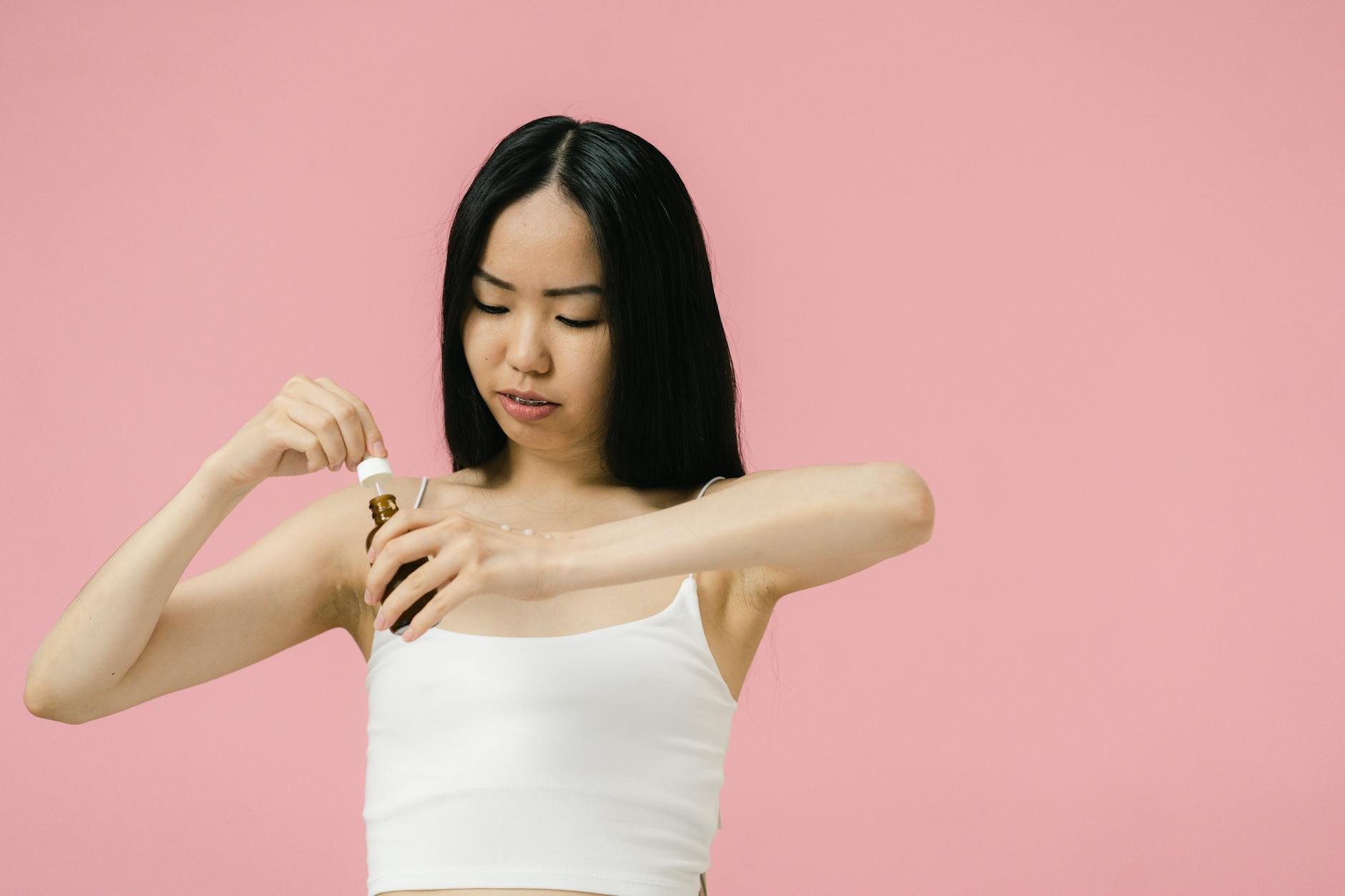
I learned this the hard way after a $60 serum gave me a rash across my entire cheek. Now I religiously patch test every new product for 48 hours on my inner arm before it goes anywhere near my face. PHI Beauty experts recommend this because skipping it leads to flare-ups in 20-30% of sensitive acne-prone users, which is a huge percentage when you think about it. I use the inside of my forearm because the skin there is thin and reactive, similar to facial skin.
The process is simple but requires patience. Apply a small amount of the product to a quarter-sized area, then wait. If you see redness, itching, or bumps within two days, that product isn’t for you. I keep a little notebook tracking what I test and when, because honestly, I’d forget otherwise. This single step has saved me from so many potential disasters and wasted money on products my skin would’ve rejected anyway.
2. Salicylic Acid Toner Is Your Oil-Control Best Friend

I personally swear by applying salicylic acid toner once daily after cleansing, and Frea Beauty’s Purifying Toner (around $25-35) with lavender water and cucumber is my current go-to. I use 2-3 pumps on a cotton pad and swipe it across my entire face, avoiding the eye area. This ingredient is trending hard in 2026 as a top exfoliator because it actually gets inside your pores to unclog them, unlike physical scrubs that just work on the surface.
The key is consistency without overdoing it. I made the mistake early on of using it morning and night, thinking more would equal faster results. Wrong. My skin got dry and angry, and my oil production actually increased as my skin tried to compensate. Once daily, preferably at night, is the sweet spot for me. The lavender and cucumber in the Frea formula also calm inflammation, which I notice makes a real difference in how red my active breakouts look the next morning.
3. Bakuchiol Serum Delivers Retinol Results Without the Drama

Bakuchiol exploded with 129,000 Instagram posts for good reason, and I jumped on this trend after retinol made my skin peel like a snake. Frea Beauty’s Retinol Alternative Oil Serum with rosehip and berry seed oils (around $40-50) is what I use now, applying 3-4 drops nightly after my toner dries. This stuff fights acne and inflammation without the dryness, redness, or sun sensitivity that comes with traditional retinol.
What I love most is that I can use it every single night without my skin throwing a fit. The rosehip oil adds moisture while the bakuchiol does the heavy lifting on cell turnover and acne prevention. I’ve been using it for about four months now, and my skin texture has improved noticeably, plus my breakouts heal faster. It’s especially perfect for sensitive skin types who’ve been told they can’t handle strong actives. The price point is higher than drugstore options, but a bottle lasts me about three months with nightly use, so the cost per use isn’t terrible.

6Pcs Jade Roller for Face
Honestly, 6Pcs Jade Roller for Face surprised me — sturdier than it looks in the photos, and over 27 buyers gave it 4.5 stars.
4. Strategic Benzoyl Peroxide Spot Treatment Beats All-Over Application

I keep a tube of 2.5-5% benzoyl peroxide spot treatment from Ulta (around $10-15 for their house brand options) on my nightstand for active pimples only. The mistake most people make is slathering this stuff all over their face, which leads to dry, flaky skin that somehow still breaks out. I use a pea-sized amount directly on the pimple at night, and that’s it. The lower percentage (2.5-5%) is gentler than the 10% formulas but just as effective for mild breakouts.
Benzoyl peroxide works by killing acne-causing bacteria, but it’s also incredibly drying and can bleach your pillowcases (learned that one the expensive way). I apply it as my last step after moisturizer, which helps buffer the drying effect. For me, this approach clears up individual pimples within 2-3 days without nuking my entire face. If you have widespread acne, this isn’t the solution, but for occasional breakouts, it’s gold.
5. One Active at a Time Prevents Product Overload Disaster

PHI Beauty’s protocol of limiting actives to one main ingredient for 6-8 weeks before adding another literally saved my skin barrier. I used to layer azelaic acid, salicylic acid, and niacinamide all at once because the internet said they were all good for acne. My face turned into an angry, sensitized mess that hurt to touch. Pros say consistency trumps layering, and they’re absolutely right.
Now I introduce one active, like azelaic acid cream, and stick with it for at least six weeks before even thinking about adding something else. This way, I can actually tell what’s working and what’s irritating my skin. The “product overload” mistake disrupts your skin barrier, which then makes your skin produce more oil and break out more, creating this vicious cycle. I keep my routine simple: cleanser, one active (currently bakuchiol), moisturizer, and SPF during the day. That’s it. My skin has never been calmer.
6. Weekly Gentle Exfoliation Without the Micro-Tears

I exfoliate with a gentle salicylic acid scrub once or twice weekly using about 1-2 teaspoons, as Ulta advises for teens with acne (though I’m definitely not a teen anymore). The key word here is “gentle.” Those harsh apricot scrubs with jagged particles can create micro-tears in your skin, leading to more inflammation and breakouts. Over-exfoliating is honestly one of the top errors I see people making, causing rebound inflammation that makes acne worse.
I do this step in the shower when my skin is slightly damp, using circular motions for about 30 seconds, then rinse thoroughly. My skin feels smoother immediately, and my other products absorb better afterward. The salicylic acid in the scrub provides chemical exfoliation while the physical texture clears away dead cells. I never exfoliate if I have active, inflamed breakouts because that just spreads bacteria and irritates the skin further. Timing matters too. I space out my exfoliation days so I’m not doing it right before or after using other actives.

Yeamon Gua Sha Facial Tools and Face Roller Set
If you want something that just works, Yeamon Gua Sha Facial Tools and Face Roller Set is a safe bet (1 reviews, 4.5 stars).
7. SPF That Won’t Sabotage Your Clear Skin Goals

EltaMD UV Clear Broad-Spectrum SPF 46 (around $35-40) is what I apply daily, even when I’m working from home, using a pea-sized amount for my face and neck. Columbia Skin Clinic dermatologists call it ideal for acne-prone skin because it actually won’t clog pores, which counters that persistent myth that sunscreen worsens breakouts. I was skeptical at first because every sunscreen I’d tried before made me greasy or caused whiteheads.
This formula contains niacinamide, which helps with oil control and inflammation while protecting from UV damage. The texture is lightweight and absorbs quickly without that thick, suffocating feeling. I honestly notice that my acne scars fade faster when I’m consistent with SPF because sun exposure darkens hyperpigmentation. The price tag made me wince initially, but one bottle lasts me about three months with daily use. Skipping sunscreen when you’re using acne treatments is counterproductive because many actives make your skin more sun-sensitive, and sun damage can worsen acne scarring permanently.
8. Microbiome-Focused Creams Balance Your Skin’s Ecosystem

Introducing probiotics and prebiotics through microbiome-focused creams is 2026’s top trend, and I’m here for it. I use formulas like those from Dot & Key (around $20-30) twice daily, and studies show this approach can reduce acne by 30%. The science makes sense: your skin has a natural bacterial balance, and when that’s disrupted, acne-causing bacteria take over. These creams help restore that balance.
The key is making sure whatever probiotic cream you choose is non-comedogenic and has been patch-tested (see tip #1). I apply a thin layer after my active treatment and before my regular moisturizer. My skin feels calmer and less reactive since I started this about two months ago. The inflammation around my breakouts seems less angry, and new pimples don’t stick around as long. It’s a gentler approach than harsh antibacterial treatments that kill everything, good and bad bacteria alike.
9. Propolis Extract Cream Hydrates Without the Grease

I moisturize with propolis extract cream in a thin layer (around $25 for PHI Beauty style products) nightly on clean skin, and this fixed my biggest mistake: skipping moisturizer entirely. I used to think that keeping my skin “dry” would prevent oil production, but that actually made things worse. When your skin is dehydrated, it overproduces oil to compensate, leading to more breakouts.
Propolis is a resin-like material made by bees, and it has natural antibacterial and anti-inflammatory properties perfect for acne-prone skin. The cream I use absorbs quickly without leaving a greasy film, which was my main concern. I apply it while my skin is still slightly damp from my toner or serum, which helps lock in moisture. My skin looks plumper and healthier, and I’ve noticed fewer of those tiny dehydration bumps I used to get on my forehead. For mild acne-prone types like me, this ingredient is a game-changer that doesn’t clog pores.
Rotating Makeup Organizer
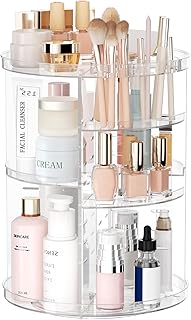
Rotating Makeup Organizer has been one of the most consistently praised picks in this category. 47 reviewers averaged 4.5/5.
10. At-Home Red Light Therapy for Acne Calming

I try at-home red light therapy for 3-5 minutes daily using devices like Project E Beauty masks (around $100-200), and honestly, I was skeptical until I saw the research. A 2014 trial showed 69% improvement in wrinkles and acne scars after 30 sessions, which is surprisingly effective for a non-invasive treatment. The red light wavelengths penetrate your skin to reduce inflammation and promote healing.
I use mine while I’m catching up on emails or watching TV, making it easy to stay consistent. The device sits on my face like a mask, and I just relax for five minutes. I’ve noticed that active breakouts calm down faster, and the redness fades more quickly. The initial investment feels steep, but compared to monthly professional treatments, it pays for itself in a few months. This is definitely a 2026 trend worth trying if you’ve got the budget and want something beyond topical products. Just make sure to keep your eyes closed during treatment, as the light is bright.
11. Hands Off and Pillowcase Protocol

Avoiding touching my face and never picking pimples sounds simple, but it’s honestly the hardest tip to follow. Ulta experts warn that hands transfer bacteria that cause scarring, and I have the dark spots to prove I didn’t listen early on. I’ve trained myself to become aware when my hand drifts toward my face, especially when I’m stressed or concentrating.
The lesser-known part of this tip: wash your pillowcases weekly in hot water to cut acne by halving oil and bacteria buildup. I bought extra pillowcases so I can swap them out every 2-3 days without doing laundry constantly. I also started using fragrance-free detergent because scented products can irritate facial skin. Since implementing this pillowcase protocol about six months ago, I’ve noticed fewer breakouts on my cheeks and jawline, which is where my face contacts the pillow most. It’s such a simple change that costs basically nothing but makes a measurable difference.
12. Diluted Tea Tree Extract for Sensitive Skin

I use tea tree extract serum in a diluted 5% solution, mixing 2 drops into my moisturizer in the mornings. PHI Beauty notes that tea tree fights bacteria naturally without the drying effect of harsher treatments, and it outperforms stronger options in mild acne cases. Pure tea tree oil is way too strong and can burn your skin (yes, I learned this the hard way), so dilution is critical.
The antibacterial properties help prevent new breakouts without stripping my skin or causing that tight, uncomfortable feeling. I mix it fresh each morning rather than pre-mixing a bottle because I like controlling the exact amount. The scent is medicinal but not unpleasant, and it fades quickly. For sensitive acne-prone skin like mine, this natural option works better than benzoyl peroxide for daily prevention, though I still keep BP around for spot-treating active pimples. Tea tree is one of those ingredients that’s been around forever but actually has solid research backing it up.

Gua Sha Facial Tools Face Roller and Gua Sha Set for
If you want something that just works, Gua Sha Facial Tools Face Roller and Gua Sha Set for Puffiness and Red is a safe bet (8 reviews, 4.5 stars).
13. Extend Your Routine Beyond Your Face

I extend my routine to my neck and chest with ceramide-hyaluronic acid lotion, specifically Frea’s Sensitive Skin Body Cream with panthenol (around $30), using a pea-sized amount twice daily. This 2026 trend from Columbia Clinic prevents “tech neck” acne from neglected areas, which I didn’t even know was a thing until I started breaking out on my neck from looking down at my phone constantly.
The neck and chest are often forgotten, but they’re exposed to the same environmental stressors as your face and can develop acne too. The ceramides help repair the skin barrier while hyaluronic acid provides hydration without heaviness. Panthenol (provitamin B5) soothes inflammation and speeds healing. I apply this right after my face routine while my skin is still slightly damp. The texture is creamy but absorbs quickly, so I don’t have to wait around before getting dressed. My neck skin looks smoother and more even-toned since I started this practice about three months ago.
14. Track Progress and Stick to Basics

I track my progress with photos weekly and stick to the basics (cleanse-tone-treat-moisturize-SPF) for 4-6 weeks before making any tweaks, exactly as dermatologists at Columbia Skin Clinic urge. The biggest mistake people make is chasing trends over consistency, which delays results by months. I take the same angle photos in the same lighting every Sunday morning, which gives me an objective view of what’s actually happening with my skin.
It’s so tempting to add a new product every time you see something trending on social media, but that makes it impossible to know what’s actually working. I keep a simple spreadsheet noting what products I’m using, any changes I make, and how my skin looks that week. This data has been invaluable in identifying patterns, like noticing that my skin always breaks out more during stressful work weeks regardless of my routine. Having photo evidence also keeps me motivated because progress is often so gradual you don’t notice day-to-day. When I compare photos from two months ago to now, the difference is clear.
15. Slow Introduction of Retinol Alternatives

I start bakuchiol or retinal slowly at 2-3 nights per week with encapsulated formulas (around $40 range), building tolerance as Frea pros recommend. The 2026 pro tip is pairing it with postbiotics to minimize purging in acne routines, which I wish I’d known earlier. Purging is when your skin breaks out more initially as cell turnover increases, bringing underlying congestion to the surface faster.
Encapsulated formulas release the active ingredient slowly, reducing irritation while still delivering results. I started with Monday, Wednesday, and Friday nights, then gradually increased to nightly use over about six weeks. My skin never got that angry, peeling reaction I’d experienced with traditional retinol. The postbiotic pairing helps because it supports your skin barrier during this adjustment period, keeping inflammation in check. I use a postbiotic serum right before my bakuchiol, and honestly, I barely experienced any purging at all. This slow approach takes patience, but it’s so much better than rushing in and wrecking your skin barrier.

medicube Deep Vitamin C Capsule Serum | Hydrating Vitamin C
A dependable everyday pick — medicube Deep Vitamin C Capsule Serum | Hydrating Vitamin C Serum for pulls in 230 ratings at 4.5 stars. Not flashy, just solid.
16. Double Cleansing for Thorough but Gentle Removal

I practice double cleansing at night, starting with an oil-based cleanser to remove SPF and any makeup, followed by a gentle water-based cleanser to clean my skin. This method removes everything without harsh scrubbing that can irritate acne-prone skin. I use about a quarter-sized amount of oil cleanser, massage it in for 30 seconds, then rinse before following with my regular cleanser.
The oil cleanser breaks down oil-based products like sunscreen way better than a single cleanse ever could. I was worried oil cleansing would make me break out, but the opposite happened because my pores were actually getting clean for the first time. The key is choosing a non-comedogenic oil cleanser and making sure you thoroughly rinse it off before your second cleanse. My favorites are around $15-25 at Target or Ulta. Since starting this about a year ago, I’ve had fewer clogged pores and blackheads. My skin feels clean but not stripped, which is exactly what you want.
17. Hydrocolloid Patches for Active Breakouts
I keep hydrocolloid acne patches (around $5-12 for a pack at any drugstore) in my bathroom for when I get an active pimple. These little stickers absorb fluid from the pimple while protecting it from bacteria and preventing me from picking at it. I apply them to clean, dry skin before bed and leave them on overnight, sometimes even during the day if I’m home.
The patch turns white as it absorbs the gunk, which is oddly satisfying. By morning, the pimple is usually flatter and less inflamed. Some patches now contain ingredients like salicylic acid or tea tree oil for extra acne-fighting power, though the plain hydrocolloid ones work great too. This is one of those simple, affordable solutions that actually delivers on its promise. I’ve noticed that pimples I patch heal faster and with less scarring compared to ones I leave alone or (worse) pick at. They’re also great for preventing you from unconsciously touching your face during the day.
18. Strategic Use of Niacinamide for Oil Control

I incorporate niacinamide serum (around $10-30 depending on brand) in the morning after cleansing, using 2-3 drops before my moisturizer. This ingredient regulates oil production, reduces inflammation, and fades hyperpigmentation from old acne scars. It’s one of the few actives that plays well with almost everything else in your routine, making it perfect for acne-prone skin.
I started with a 5% concentration and worked up to 10% over a few months. The Ordinary makes an affordable 10% niacinamide serum that I used for over a year before trying pricier options. Honestly, the cheap one worked just as well. I notice my skin looks less shiny by midday, and my pores appear smaller. The hyperpigmentation fading is gradual but real. I have dark spots from acne that are noticeably lighter after six months of consistent use. Niacinamide is also gentle enough that I can use it every single day without irritation, unlike stronger actives that need days off.
19. Targeted Clay Masks for Weekly Deep Cleaning

I use a clay mask once weekly, applying it only to my T-zone where I get oily and congested, rather than my entire face. Kaolin or bentonite clay masks (around $8-20) draw out impurities and excess oil without over-drying. I leave it on for 10 minutes max, never letting it dry completely and crack, which is too harsh.
The mistake I used to make was doing full-face masks that left my cheeks tight and uncomfortable while my T-zone needed more attention. Now I apply a thick layer to my nose, forehead, and chin, avoiding my drier cheek areas. I do this on Sunday evenings while I’m meal prepping or watching TV. My pores look clearer afterward, and I get fewer blackheads. I always follow with a hydrating toner and moisturizer because even targeted clay use can be slightly drying. Some people do masks more often, but once weekly is the sweet spot for my skin without causing irritation or excessive dryness.
20. Stress Management as Skincare

I’ve learned that stress management is actually part of my skincare routine because cortisol (stress hormone) directly triggers oil production and inflammation. When I’m stressed, my skin breaks out more no matter how perfect my routine is. I practice 10 minutes of meditation daily using apps like Headspace or Calm, and I’ve noticed a real difference in my skin’s behavior.
This might sound woo-woo, but the science backs it up. Stress affects your hormones, which affect your skin’s oil production and healing ability. I also prioritize sleep (7-8 hours), drink water throughout the day (I keep a 32oz bottle at my desk), and take short walks when work gets overwhelming. These aren’t traditional skincare tips, but they impact my skin as much as any serum. I track my stress levels in the same spreadsheet where I track my skin progress, and the correlation is undeniable. During my most stressful work month last year, my skin was a disaster despite using all the right products. Managing stress isn’t just good for your mental health; it’s essential for clear skin.
Building a routine with these routine skin care tips natural acne skincare strategies takes time and patience, but that’s honestly what works. I’ve tried rushing the process, and it always backfires. Start with the basics, introduce one new thing at a time, and give your skin at least a month to adjust before deciding something doesn’t work. Save this article for when you need a reminder that consistency beats trendy products every time, and pin it so you can reference these specific recommendations when you’re shopping. Your skin will thank you for the thoughtful, strategic approach instead of the throw-everything-at-it method most of us start with.
Frequently Asked Questions
What are the best routine skin care tips natural acne skincare for beginners?
Start with basics: gentle cleanser, one active like salicylic acid or bakuchiol, moisturizer, and SPF. Patch test everything for 48 hours first. Introduce one new product every 6-8 weeks and stick with it consistently before adding more. Avoid touching your face and change pillowcases weekly.
How long does it take for natural acne skincare routines to show results?
Most natural acne treatments need 4-6 weeks of consistent use before you see noticeable improvement. Cell turnover takes about 28 days, so patience is essential. Track progress with weekly photos to see gradual changes you might miss day-to-day.
Can I use multiple actives in my acne skincare routine?
Limit to one main active ingredient for 6-8 weeks before adding another to avoid product overload that disrupts your skin barrier. Once your skin tolerates one active well, you can carefully introduce a second, but consistency with fewer products beats layering multiple actives.
What’s the difference between bakuchiol and retinol for acne?
Bakuchiol delivers similar cell turnover and acne-fighting benefits as retinol without the dryness, redness, or sun sensitivity. It’s gentler for sensitive skin and can be used nightly immediately, while retinol requires slow introduction and causes more purging and irritation initially.