What’s Inside
- Master the Double Cleanse with a Gentle Touch
- Prioritize Hydration with Multi-Layered Toners
- Integrate a Potent Hyaluronic Acid Serum
- Boost Radiance with Niacinamide
- Exfoliate Wisely, Not Excessively
- Lock in Moisture with a Ceramide-Rich Moisturizer
- Never Skip SPF – Your Daily Insurance
- Embrace “Skin Cycling” for Active Ingredient Rotation
- Hydrate from Within: Drink and Eat Your Water
- Don’t Neglect Your Environment: Use a Humidifier
- Embrace PDRN and Exosomes for Regeneration
- Incorporate Facial Massage for Circulation
- Prioritize Sleep and Stress Management
- Be Patient and Consistent – Glass Skin is a Ritual
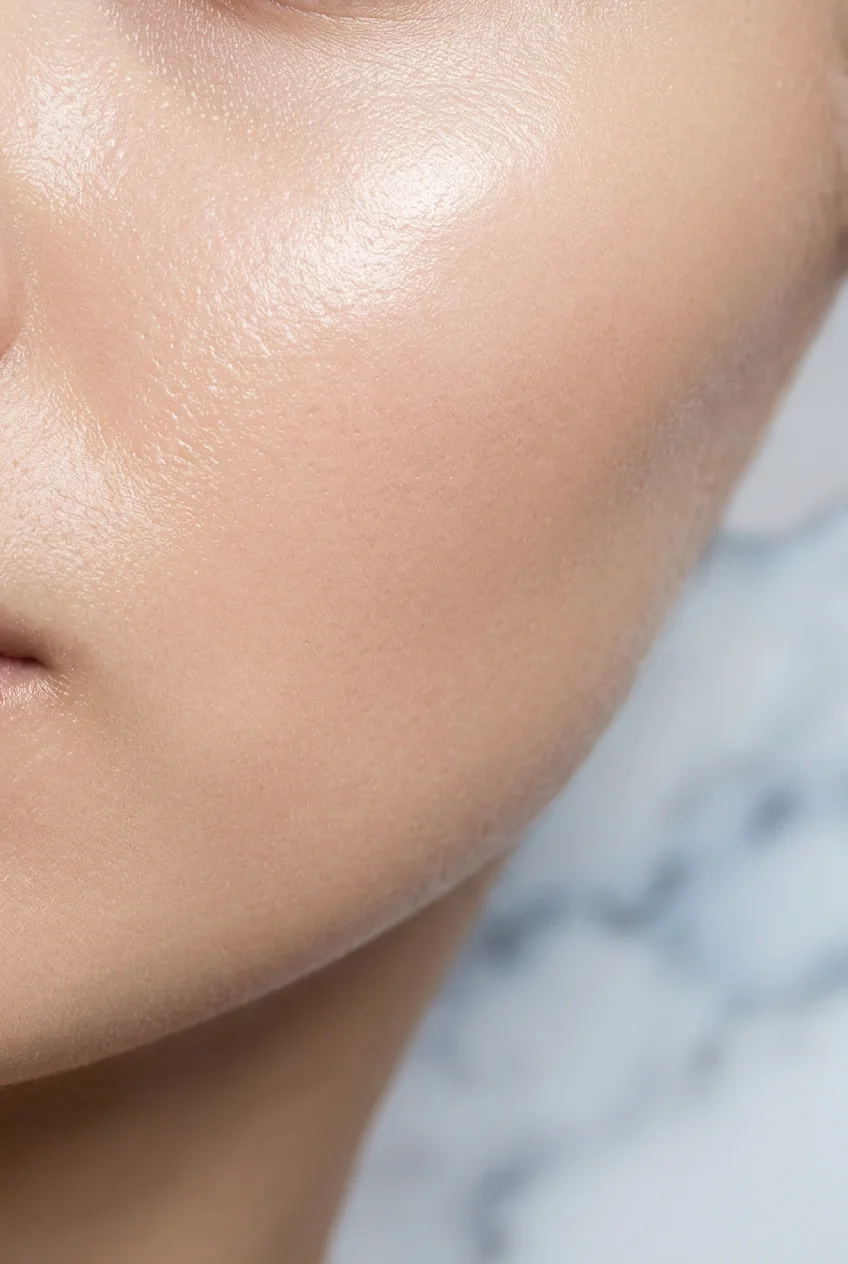
Last November at Whole Foods, I caught my reflection in the dairy aisle and realized my skincare routine was a disaster. Under those harsh fluorescent lights, my face looked like a dull, gray piece of parchment. This trend isn’t just about slapping on twelve random serums until you look greasy. It takes a specific, dermatologist-backed focus on barrier health and smart layering. If you’re struggling to get that translucent, hydrated look, you’re likely choosing the wrong products or applying them like a rookie. I spent the last eight months testing formulas, tracking ingredient percentages, and making plenty of mistakes. I used to buy products based on the packaging, which left my moisture barrier completely wrecked—learned that the hard way. Let’s walk through the exact steps for real results, focusing on formulas that perform based on their chemical composition, not just their marketing claims.
Master the Double Cleanse with a Gentle Touch

Start your routine by removing makeup, SPF, and daily grime without stripping your skin. I tried skipping this for months, thinking my regular face wash was enough. I was wrong. My pores stayed clogged, and my expensive serums couldn’t penetrate the leftover sunscreen. You need an oil-based cleanser first. I use the Banila Co Clean It Zero (Purity) balm. It costs $19.00 for a 100ml tub at Target. Take a dime-sized scoop and massage it onto dry skin for 60 seconds. The friction dissolves oil-soluble debris. It feels slick and melts into a thin oil immediately on contact with your warm skin.
Follow that with a pH-balanced, water-based cleanser to remove the residue. Dermatologist Dr. Stefan Weiss notes that cleansing shouldn’t irritate your skin. Over-cleansing with harsh foaming agents strips your lipid barrier. That leads to tightness, flakiness, and a weird compensatory oiliness that ruins the glass skin effect. I follow my cleansing balm with the ETUDE SoonJung pH 6.5 Whip Cleanser. It runs $15.00 for a 150ml bottle. It dispenses as a soft, watery foam that doesn’t leave my face feeling like tight plastic. Keep the water lukewarm, never hot, to protect your capillaries.
Prioritize Hydration with Multi-Layered Toners

Modern glass skin routines rely on hydration before everything else. After cleansing, you need to apply multiple layers of a hydrating toner to plump the skin. This skin flooding technique pushes deep moisture into your epidermis. I used to just swipe one layer with a cotton pad and call it a day. Huge mistake. The cotton absorbed most of the product, and my skin felt dry ten minutes later.
Now, I pour a 1/2 teaspoon of the Haruharu Wonder Black Rice Hyaluronic Toner (Fragrance-Free) into my palms. It costs $22.00 for a 150ml bottle. I pat it gently into my skin until it absorbs. Then I repeat that process two more times. Applying 2-3 layers of this watery texture boosts elasticity and preps the skin for thicker serums. Another solid option is the Isntree Hyaluronic Acid Toner Plus. It retails for $20.00 for a 200ml bottle. It contains five types of hyaluronic acid to draw moisture into different skin depths. The texture is slightly thicker, almost like a thin syrup, which leaves a visible, wet-looking sheen on the skin’s surface before it dries.
Integrate a Potent Hyaluronic Acid Serum

Hyaluronic acid binds water to your skin. It plumps the surface and smooths out fine dehydration lines. You need a serum with multi-molecular weight hyaluronic acid so it hydrates at different depths instead of just sitting on top of your face. I order the Torriden DIVE IN Low Molecular Hyaluronic Acid Serum from Walmart online. It costs $21.00 for a 50ml glass dropper bottle. I apply 4 drops while my toner is still slightly damp. If you apply hyaluronic acid to dry skin, it can actually pull water out of your deeper tissues and make you more dehydrated—trust me.
The Anua PDRN Hyaluronic Acid Capsule 100 Serum is another effective formulation. You pay about $30.00 for a 30ml bottle. It features an eleven-form hyaluronic acid complex alongside glutathione. Dr. Weiss recommends formulas like this that draw water into the skin and lock it in with glycerin or panthenol. The Anua serum has a viscous texture with tiny suspended capsules that burst when you rub them in. It leaves a tacky finish for about three minutes before drying down smooth, providing a perfect base for your moisturizer.

EQQUALBERRY Vitamin Illuminating Serum | Niacinamide 4% +
EQQUALBERRY Vitamin Illuminating Serum | Niacinamide 4% + Brightening has been one of the most consistently praised picks in this category. 112 reviewers averaged 4.5/5.
Boost Radiance with Niacinamide

Niacinamide, or Vitamin B3, handles oil control, minimizes pores, brightens tone, and strengthens the skin barrier. Aim for serums with a 5-10% concentration. Anything higher usually causes intense redness and stinging for no added benefit. The ANUA Niacinamide 10% + TXA 4% Serum costs $24.00 for a 30ml bottle. I use 2 pumps every morning. It has a watery, pinkish tint and smells faintly of chemical formulation, but the scent fades quickly. It targets uneven tone and dark spots left behind by old breakouts.
If you want a highly visible, dewy finish, the Glow Recipe Watermelon Niacinamide Dew Drops are an option. They cost $36.00 for a 40ml bottle. I bought these last summer, but I have a strong negative opinion about the scent. It smells like artificial watermelon candy, which lingers for hours. However, the formula does deliver a specific, reflective gloss. I use it strictly on my cheekbones as a liquid highlighter now instead of an all-over serum. The bottle lasts about four months this way.
Exfoliate Wisely, Not Excessively

Gentle exfoliation removes dead cells to reveal a light-reflecting surface. However, over-exfoliation destroys your skin barrier faster than anything else. Last year, I used a strong 2% BHA liquid every single night. By the end of the month, my cheeks were bright red, stung when I applied water, and felt like sandpaper. Dr. Weiss notes that over-exfoliation is a massive problem, and less is often more.
You only need chemical exfoliants like AHAs or BHAs once or twice a week. I currently use the PHA and BHA toner from the Glow Recipe Glass Skin Essential Kit, which costs $39.00 for the set. I dispense 3 sprays onto a textured cotton round and press it only into my T-zone where I get congestion. For a cheaper, standalone option, the COSRX AHA/BHA Clarifying Treatment Toner costs $14.00 for a 150ml spray bottle. It uses a mild concentration of willow bark water and apple fruit water. It doesn’t sting, and it dissolves surface texture without compromising the lipid barrier on your cheeks.
Lock in Moisture with a Ceramide-Rich Moisturizer

Ceramides are the lipids that hold your skin cells together. They restore your protective barrier, prevent moisture loss, and keep your face looking plump. Even if you have oily or acne-prone skin, you need a good moisturizer. Skipping it just causes your skin to overproduce oil to compensate for dehydration. I found the Illiyoon Ceramide Ato Concentrate Cream at a local Asian market near Sprouts. It costs $16.00 for a 200ml squeeze tube. The texture is thick, like an ointment, and it contains tiny ceramide capsules that melt as you rub them in. I use a nickel-sized amount every night.
If your skin is severely dry or barrier-compromised, the TIRTIR Ceramic Cream is another excellent formula. It costs $29.00 for a 50ml tub. It contains ceramides and polyglutamic acid. The consistency is rich and glossy, and it smells slightly of raw shea butter. It leaves a heavy, occlusive layer on the skin. I don’t use this under makeup because it causes my foundation to pill by noon. It works best as a heavy nighttime treatment to seal in all those watery layers I applied earlier. You might also like: 15 Creative Aesthetic Makeup And Skincare for Any Style

Masirs Clear Makeup Organizer
A dependable everyday pick — Masirs Clear Makeup Organizer – 16-Compartment Cosmetic and Jewelry Ho pulls in 258 ratings at 4.5 stars. Not flashy, just solid.
Never Skip SPF – Your Daily Insurance

Sunscreen protects your skin from UV damage. UV exposure causes uneven texture, hyperpigmentation, and premature aging, ruining any progress you make with serums. You need broad-spectrum protection every single day. I used to rely on thick, chalky mineral sunscreens that left me looking like a ghost and clung to dry patches. Korean chemical sunscreens changed my routine because they use advanced UV filters that don’t leave a white cast. You might also like: 12 Skincare For Oily Skin Worth Trying
The Beauty of Joseon Relief Sun: Rice + Probiotics SPF50+ costs $18.00 for a 50ml tube. I apply 1/4 teaspoon—measured as two thick lines down my index and middle fingers—to my face and neck every morning. It has a lotion-like texture that feels cooling, smells faintly of rice water, and layers flawlessly under makeup. Another great option is the Isntree Hyaluronic Acid Moist Sun Gel SPF50+. It costs $19.00 for a 50ml tube. It feels like a lightweight water gel and leaves a highly reflective, dewy finish. I reapply it with a cushion puff if I’m sitting near a window or going outside for lunch.
Embrace “Skin Cycling” for Active Ingredient Rotation

Skin cycling, popularized by Dr. Whitney Bowe, involves rotating active ingredients over a four-night cycle to maximize benefits while minimizing irritation. I started this because using exfoliants and retinoids on the same night caused intense peeling. The cycle: Night 1 is exfoliation. Night 2 is a retinoid. Nights 3 and 4 are for recovery and barrier repair. You might also like: 11 Makeup And Skincare That Actually Work
On my retinoid night, I use the CeraVe Resurfacing Retinol Serum. I buy it for $18.99 for a 30ml pump bottle at Kroger. I apply a pea-sized amount to my face after my toner dries. The encapsulated retinol is a pale yellow cream that feels gentle, and the licorice root extract helps fade dark marks. On my recovery nights, I skip all acids and retinoids. I just layer my hyaluronic acid serum and my thick Illiyoon ceramide cream. This rotation allows my skin to process the cell-turnover effects of the retinol without pushing my moisture barrier past its breaking point. It completely stopped my flaking.
Hydrate from Within: Drink and Eat Your Water

Topical products only do half the work. Internal hydration dictates the baseline plumpness of your skin. If you’re dehydrated, your skin looks deflated and your fine lines look deeper. I aim for 2-3 liters of water daily. Honestly, drinking plain water all day is boring, and it often just flushes right through me if I’m sweating heavily during a workout.
I started adding electrolytes to help my cells hold onto the water. I buy the Liquid I.V. Hydration Multiplier 16-pack for $24.99 at Costco. I mix one packet into 16 oz of cold water every morning. It has a slightly salty, lemon-lime flavor that I don’t love, but the benefits are obvious. I also incorporate water-rich foods into my meals. I eat 1/2 cup of sliced cucumbers with my lunch and add 2 tablespoons of chia seeds to my oatmeal. The Omega-3 fatty acids in the chia seeds support the lipid barrier from the inside out. You can’t achieve a translucent complexion if your diet consists of dry, processed carbs and zero healthy fats.

Clear Acrylic Makeup Organizers for Vanity,Countertop
Clear Acrylic Makeup Organizers for Vanity punches above its price — 208 buyers rated it 4.5 stars. I would buy it again.
Don’t Neglect Your Environment: Use a Humidifier

Your indoor environment plays a massive role in how your skin behaves. In the winter, indoor heating obliterates the ambient humidity in your house. When the air is dry, humectants like hyaluronic acid have no moisture to pull from the environment. Instead, they pull water from the deeper layers of your own skin, evaporating it into the air. I woke up every morning last January with a tight, crusty face until I figured this out.
I bought the Levoit Classic 160 Top-Fill Humidifier. It costs $29.99 and holds 2.5 liters of water. I keep it on my nightstand, about three feet from my head. I fill it with 1 gallon of distilled water every few days to prevent mineral dust. I run it on the medium setting all night to keep my bedroom humidity between 40-60%. It emits a low, white-noise hum. This simple change stops water loss while I sleep. My heavy nighttime creams stay on my face, and I wake up with skin that feels soft and bouncy instead of tight and irritated.
Embrace PDRN and Exosomes for Regeneration

PDRN and exosomes are complex ingredients moving from medical dermatology clinics into consumer skincare. They focus on tissue regeneration and collagen stimulation. I was skeptical at first, thinking it was just expensive marketing. I decided to test the medicube PDRN Pink Peptide Serum. It costs $38.00 for a 30ml bottle.
The serum has a thick, stringy texture that feels slightly sticky coming out of the dropper. I use 3 drops on my cheeks and forehead. It smells faintly medicinal, like a sterile doctor’s office, which I prefer over heavy fragrances. The PDRN works by signaling your cells to repair themselves faster. After using it for six weeks, the persistent red marks from old acne on my jawline faded significantly faster than they did with just niacinamide. The Anua PDRN Hyaluronic Acid Capsule 100 Serum is another option for $30.00, but I find the medicube formula absorbs better without leaving a film on my skin all day.
Incorporate Facial Massage for Circulation

You can’t buy good circulation in a bottle. Regular facial massage physically pushes stagnant lymph fluid out of your face and brings fresh, oxygenated blood to the surface. This creates a lit-from-within glow that makeup can’t replicate. I dedicate 2-3 minutes to this during my evening routine. I use the Herbivore Rose Quartz Gua Sha tool, which costs $18.00 and feels cold against the skin.
You must use a slip agent, or you’ll drag and pull your skin, causing sagging. I use 1/2 teaspoon of Trader Joe’s Spa 100% Pure Jojoba Oil. It costs $7.99 for a 4 oz bottle. I rub the oil between my palms and press it into my neck and face. I hold the gua sha tool flat against my skin and gently scrape upwards and outwards. I start at my collarbone to open the lymphatic pathways, move up my neck, and then sweep across my jawline. It instantly reduces puffiness and makes my cheekbones look sharper.

medicube No Cast Just Glow Collagen Sunscreen | SPF 50
If you want something that just works, medicube No Cast Just Glow Collagen Sunscreen | SPF 50 Broad Spectrum is a safe bet (939 reviews, 4.5 stars).
Prioritize Sleep and Stress Management

Your skin physically repairs itself while you sleep. Cortisol, the stress hormone, breaks down collagen and triggers oil production. Last fall, when I was working late on a project, I slept maybe five hours a night. I developed deep, painful cystic breakouts, and my skin looked gray regardless of how many toners I applied.
You need 7-8 hours of restorative sleep. To force myself to wind down, I drink a magnesium supplement. I buy the Natural Vitality Calm Magnesium Powder at Whole Foods. It costs $24.00 for an 8 oz tub. I mix 1 teaspoon of the raspberry-lemon powder into an 8 oz mug of warm water about an hour before bed. It fizzes up and tastes tart. It relaxes my muscles and stops my mind from racing. Managing stress is a non-negotiable step. If you’re running on empty and constantly anxious, your skin barrier weakens, making it susceptible to inflammation, redness, and dullness.
Be Patient and Consistent – Glass Skin is a Ritual

The biggest mistake you can make is expecting instant gratification. I used to buy a new serum, use it for three days, decide it didn’t work, and switch to something else. This constant swapping irritated my skin and caused contact dermatitis. Skincare writer Tanishka S notes that glass skin is a ritual, not a race. You have to trust the process.
It takes an average of 28 days for your skin cells to turn over. You won’t see the true results of a new routine for at least four weeks. If I get a breakout during that time, I don’t panic and overhaul my routine. I just apply a hydrocolloid patch. I buy the Hero Cosmetics Mighty Patch Original 36-count box for $12.99 at Target. I stick one on the spot and leave the rest of my face alone. Consistency with a gentle, hydrating routine yields far better results than aggressively attacking your skin. Stick to the basics, measure your application amounts, and give the ingredients time to alter your skin’s chemistry.
Achieving a translucent, deeply hydrated complexion doesn’t happen by accident. It requires you to stop randomly buying trendy products and start paying attention to your skin’s actual barrier health. I wasted a lot of money on heavily fragranced, drying formulas before I finally understood the chemistry of hydration. If you start implementing these exact measurements and product types, you’ll see a massive shift in your skin’s texture within a month. Save this guide to your Pinterest board so you can reference these product names and prices the next time you’re standing in the skincare aisle feeling overwhelmed.
Frequently Asked Questions
What is the most important step in glass skin skincare?
Deep hydration and barrier protection are the foundation. Layering a watery hyaluronic acid toner multiple times plumps the epidermis, while a ceramide cream locks that moisture in to create a reflective surface.
Can oily skin achieve a glass skin look?
Yes. Oily skin requires lightweight, water-based hydrators rather than heavy oils. Using a 5-10% niacinamide serum helps control excess sebum production while maintaining a dewy, translucent finish without looking greasy.
How often should I exfoliate for glass skin?
Limit chemical exfoliants like AHAs or BHAs to one or two nights a week. Over-exfoliating strips the lipid barrier, causing redness and rough texture that completely ruins the smooth, reflective aesthetic.
Do I really need to double cleanse?
Yes. An oil-based cleanser breaks down waterproof sunscreen and excess sebum, while a water-based cleanser removes the remaining residue. This ensures your pores are clear so your hydrating serums can actually absorb.
