What’s Inside
- Master Soft Lighting For Skincare Aesthetic Pictures
- Highlight Product Textures With Macro Photography
- Incorporate Real Skin In Lifestyle Shots
- Utilize Reflective Surfaces For Luxury Brands
- Clean Products Meticulously Before Shooting
- Employ The Rule Of Thirds For Dynamic Composition
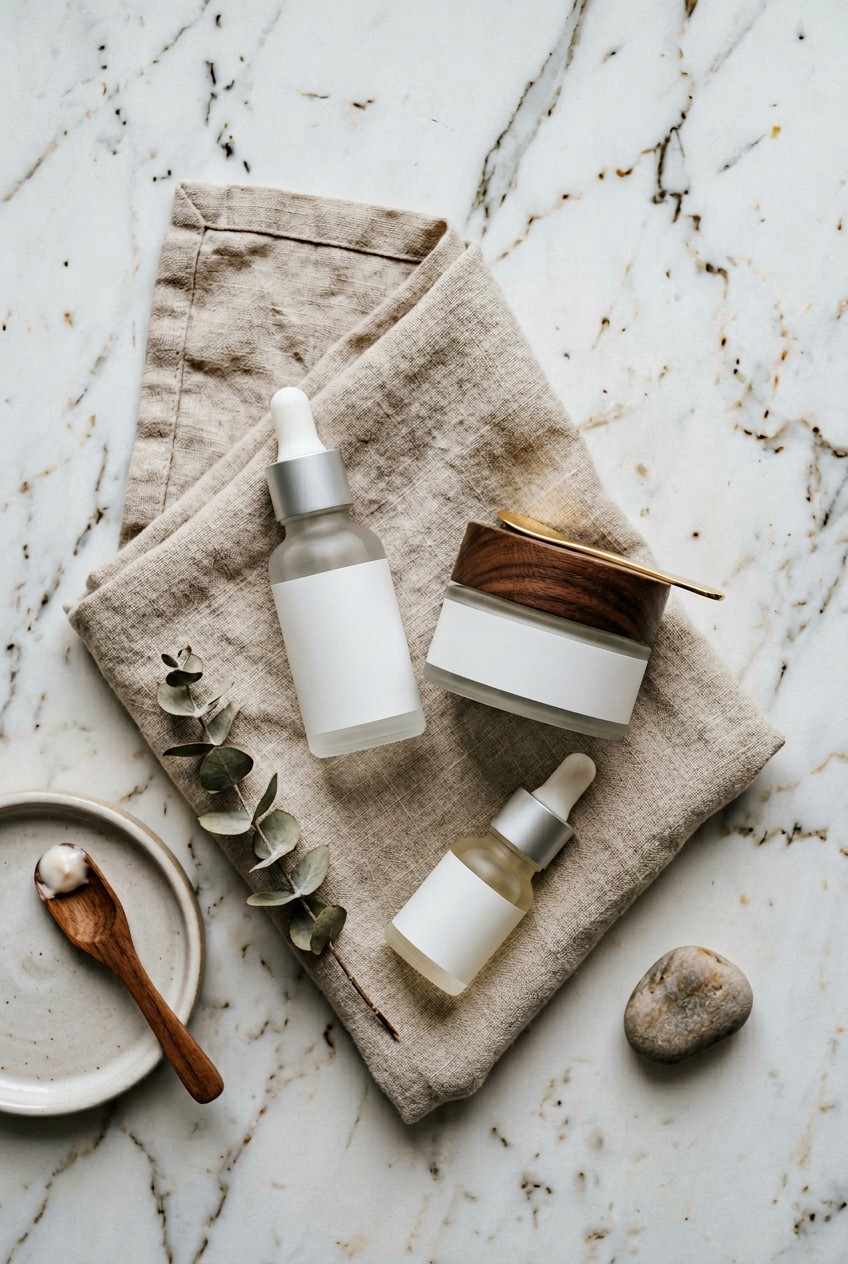
- Limit Props To A Maximum Of Four
- Showcase Product Ingredients As Props
- Avoid Over-Editing To Maintain Authenticity
- Create Visual Interest With Texture Swatches
- Use Low ISO And Appropriate Aperture
- Introduce A Third Light For Separation
I spent three hours last Tuesday trying to shoot my new CeraVe Hydrating Facial Cleanser (12 oz, $14.99). The final result looked like a hostage photo taken in a damp basement. The lighting was harsh. The bottle looked warped. The background was a cluttered mess. That was the moment I realized capturing perfect skincare aesthetic pictures requires actual strategy. I’m Kailyn Cora, and I’ve ruined more photos than I can count. Getting those dreamy skincare aesthetic pictures means mastering light, texture, and a few weird tricks. You can’t just point your phone and hope for the best. We need to talk about exact camera settings, the right props, and why you’re probably using the wrong lighting. I’ve wasted hundreds of dollars on useless props that looked like cheap plastic on camera. I’m going to save you from making those exact same mistakes. Let’s fix your feed right now with these twelve specific steps.
1. Master Soft Lighting For Skincare Aesthetic Pictures

I used to blast my face with a cheap $15 ring light from Target. It made my skin look greasy and washed out the text on my 2 oz bottle of Paula’s Choice 2% BHA Liquid Exfoliant ($34.00). Soft, diffused lighting is the secret to a clean look. You want large softboxes or beauty dishes. Look for ones that are 16 to 30 inches wide. Position your setup near a large window during the golden hour, right after sunrise or just before sunset. The natural daylight gives an organic, warm glow. If you’re shooting at night, you need artificial softbox lights. I swear by the Godox FV150 hybrid continuous LED light. I bought one on Amazon for exactly $299.00. It provides consistent, gorgeous illumination without blinding you. The Godox light has a quiet fan that won’t ruin your focus. Plus, LED lights don’t get blazing hot like old tungsten bulbs. I used to sweat through my shirts standing under cheap halogen work lights. You won’t get those harsh, ugly shadows behind your bottles anymore. I tried doing this without diffusers for months before figuring it out. The bare bulbs created terrible hot spots on glossy plastic. Always use the white fabric diffuser covers that come with your softbox. It softens the light beautifully.
2. Highlight Product Textures With Macro Photography

Texture is everything in this niche. If you’re shooting a 1.7 oz jar of Tatcha The Water Cream ($72.00), you want your followers to feel that cool, refreshing burst of hydration through the screen. I recommend investing in a proper macro lens. The Canon 100mm f/2.8 Macro lens is my favorite piece of gear. It costs around $1,299.00. It pays for itself in a few months. When you shoot macro, you must set your camera aperture between f/16 and f/22. This creates a greater depth of field. I tried shooting wide open at f/2.8 when I first got the lens. The front edge of the glass jar was sharp, but the actual cream inside was a blurry, unreadable mess. It was a disaster. A higher f-stop ensures more of the textured surface stays in sharp focus. You want to see every little peak and swirl in the cream. The Canon macro lens is heavy, so you absolutely need a sturdy tripod. Holding it by hand will give you micro-jitters, ruining that crisp f/16 focus. I learned that the hard way after a two-hour handheld session. Getting extremely close to a thick, goopy gel mask shows off the consistency beautifully. Your audience needs to see what they’re buying.
3. Incorporate Real Skin In Lifestyle Shots

People are exhausted by fake, plastic skin on social media. The biggest trend for 2026 is showing real skin texture. Pores, freckles, peach fuzz, and fine lines are beautiful. Last month, I did a lifestyle shoot for a homemade oat mask. I used 1/2 cup of organic rolled oats I bought at Sprouts for $4.99. I left my model’s freckles unedited. We used soft, diffused lighting from a nearby window to flatter her natural complexion. The oat mask smelled like warm breakfast and felt soothing. Capturing that cozy, tactile feeling is what lifestyle photography is all about. Don’t blur the skin into oblivion. It ruins all the trust you’ve built with your audience. I’ve seen major brands lose followers because their models look like AI-generated robots. Capture tight crops to highlight the product’s actual effect on real skin. If a serum gives a dewy finish, show that natural shine. Don’t fake it with editing tools. Honestly, this changed how I view my own content. I used to smooth out every single blemish on my chin. Now, I let the texture show. It makes the photos feel relatable and authentic.

Eclat Skincare Vitamin C Serum – Skin Care for Dark Spots
If you want something that just works, Eclat Skincare Vitamin C Serum – Skin Care for Dark Spots is a safe bet (753 reviews, 4.5 stars).
4. Utilize Reflective Surfaces For Luxury Brands

You can easily make a $10 drugstore serum look like a $100 luxury treatment with the right background. I went to a hardware store and bought a 12×12 inch piece of mirror acrylic for $12.50. I placed a 1 oz bottle of Estee Lauder Advanced Night Repair ($85.00) in the center. The sharp reflection created a dramatic, luxurious vibe. You can also use glossy black tiles or chrome finishes. These surfaces enhance the perception of premium quality. Just be careful with real glass. I dropped a heavy glass bottle of essence on a real mirror once. It shattered both the bottle and the mirror into a hundred pieces. It was a sticky, dangerous mess. Always buy acrylic instead of real glass. Acrylic is lightweight and won’t break if you knock a heavy jar over. Wipe the acrylic down constantly, though. It attracts dust like a magnet. I use a special plastic cleaner I found at Target for $5.99. Regular glass cleaner leaves streaks on acrylic that take forever to edit out. A quick swipe with a microfiber cloth keeps the reflection looking crisp and high-end. You might also like: 20 Lovely Aesthetic Night Routine Skincare for a Fresh New Look
5. Clean Products Meticulously Before Shooting

This sounds obvious, but you’d be shocked at how many people ignore it. High-resolution cameras capture every single speck of dust and grease. I once spent two hours setting up a beautiful flat lay on my kitchen table. I imported the photos to my laptop and zoomed in. My 4 oz tube of PanOxyl Acne Foaming Wash ($9.99) was covered in greasy fingerprints. I had to reshoot the entire thing. Now, I keep a bulk pack of Kirkland Signature Microfiber Towels from Costco ($17.99 for a pack of 36) next to my camera bag. Wipe down every single bottle, jar, and dropper before you press the shutter. Hearing that squeaky-clean sound when you rub the glass jar means it’s ready. I even use a small can of compressed air to blow away stubborn lint. A spotless product is non-negotiable for a polished appearance. Even tiny flecks of cardboard dust from the packaging will show up like boulders on a macro lens. I learned to wear cotton gloves when handling the products during the final setup. It prevents my natural skin oils from smudging the shiny plastic caps. You might also like: 15 Gorgeous Aesthetic Glass Skin That Changed Everything
6. Employ The Rule Of Thirds For Dynamic Composition

Stop putting everything dead center in your photos. It’s boring. Imagine your camera screen divided into nine equal squares by two horizontal and two vertical lines. You want to position your key points of interest along those lines or where they intersect. I was shooting a 3.38 oz bottle of COSRX Advanced Snail 96 Mucin Power Essence ($25.00) last Friday. Putting it in the middle felt flat. Moving it to the right vertical line changed the entire mood. It gave the image breathing room. Most modern cameras and even iPhones have a grid overlay feature in the settings. Turn it on. It takes the guesswork out of finding those intersection points. You can place a secondary prop like a flower or a textured towel on the opposite intersection to balance the frame. Also, if you’re shooting a flat lay from above, items can look warped or tilted. A lesser-known trick is to subtly prop up one side of the bottle from underneath using a piece of folded cardboard or sticky tack. This ensures the bottle lies flat and appears natural in the overhead shot. It fixes those weird perspective issues. You might also like: 20 Charming Aesthetic Videos Night Routine Skincare You’ll Want to Bookmark

EQQUALBERRY Vitamin Illuminating Serum | Niacinamide 4% +
If you want something that just works, EQQUALBERRY Vitamin Illuminating Serum | Niacinamide 4% + Brightening is a safe bet (101 reviews, 4.5 stars).
7. Limit Props To A Maximum Of Four

Overcrowding is my biggest weakness. I went to Trader Joe’s one morning and bought three bouquets of fresh eucalyptus ($3.99 each), a heavy bag of lemons ($2.49), and a wooden serving board. I threw all of it into a flat lay with a tiny 0.5 oz jar of Kiehl’s Creamy Eye Treatment with Avocado ($38.00). You couldn’t even find the eye cream. It looked like a chaotic salad. My studio smelled like a spa, but the photo was a disaster. The eucalyptus leaves kept casting jagged shadows over the tiny eye cream jar. Keep your extra items to a strict maximum of four props. The focus must remain on the skincare item itself. A simple, clean aesthetic performs better. If you add too many things, the viewer’s eye bounces around and gets confused. I stick to one textured background, one botanical element, and maybe a small swatch of the product. That’s it. Minimalist packaging is trending hard for 2026 anyway. Brands like The Ordinary use neutral fonts on white bases to emphasize transparency. Your props should match that simple, clean vibe.
8. Showcase Product Ingredients As Props

Visual storytelling is powerful. If your moisturizer features aloe vera, put a real aloe leaf in the shot. I bought a fresh aloe vera leaf at Whole Foods for $2.99 last week. I sliced it open to expose the gooey center and placed it next to a 2 oz jar of Mario Badescu Aloe Moisturizer ($24.00). My hands were covered in sticky aloe juice for an hour, but the final shot was stunning. The translucent green gel inside the leaf matched the moisturizer perfectly. It educated my audience about the natural ingredients while looking fresh and vibrant. If your brand emphasizes organic ingredients, incorporate botanical elements like fresh leaves, herbs, or fruit extracts. This visual story works wonders for brands like Function of Beauty. Don’t use fake plastic plants. I bought a cheap, fake fern at Walmart once. It looked terribly shiny and cheap under the studio lights. Real ingredients add an authentic, organic feel that plastic can’t replicate. The subtle imperfections in a real leaf or a slice of fresh fruit make the photo feel grounded. Plus, cutting fresh citrus or herbs makes your studio smell amazing.
9. Avoid Over-Editing To Maintain Authenticity

Over-editing is a trap. I used to crank up the saturation and smooth out every shadow until the image looked like a cartoon. I looked back at a photo I did for a 1 oz bottle of The Ordinary Niacinamide 10% + Zinc 1% ($6.00) from two years ago. I had edited it so much the white label looked like it was glowing neon blue. It was awful. Excessive smoothing or extreme color enhancement creates unrealistic expectations. Customers aren’t stupid. If the product looks radioactive or the skin looks like blurry plastic, they won’t trust you. Stick to basic color correction and exposure adjustments. Leave the natural shadows alone. Shadows give the bottle shape and dimension. If you erase all the shadows, the bottle looks flat and fake. I force myself to keep the saturation slider below plus five in Lightroom. If you push it to plus twenty, the skin tones start looking like a bad spray tan. I limit my editing time to five minutes per photo now. If I can’t fix the lighting in five minutes, I shot it wrong. Get the lighting right in the camera, and you won’t need heavy filters.

Vtopmart 3 Tier Clear Makeup Organizer with Drawer
If you want something that just works, Vtopmart 3 Tier Clear Makeup Organizer with Drawer is a safe bet (19 reviews, 4.5 stars).
10. Create Visual Interest With Texture Swatches

People can’t touch or smell products through their phone screens. You have to show them exactly how it feels. Artfully smudging or smearing a small amount of product on a clean surface works wonders. I bought a smooth ceramic tile from a hardware store and a small metal mixing spatula from Kroger for $4.49. I scooped a dime-sized amount of my 1.7 oz Laneige Water Sleeping Mask ($32.00) and swooped it across the tile in a thick curve. The soft lighting caught the watery gel texture perfectly. The ceramic tile was cold to the touch, which helped keep the gel mask from melting under the studio lights. A warm surface will turn your beautiful swoop into a puddle. It takes a lot of practice. My first few attempts looked like a weird science experiment gone wrong. The cream was clumpy and uneven. You need to apply smooth, confident pressure with the spatula. Just keep practicing your swoops on a piece of glass or a tile. Once you master it, texture swatches become the most engaging part of your feed. Customers love seeing how thick a night cream is before they spend fifty dollars.
11. Use Low ISO And Appropriate Aperture

Technical camera settings matter just as much as your props. Keep your ISO as low as possible. I always aim for ISO 100 or 200. Anything above 400 introduces ugly digital noise, making your crisp photos look grainy and cheap. I was shooting a 5 oz bottle of KraveBeauty Matcha Hemp Hydrating Cleanser ($16.00) in a dark room once. I was too lazy to set up my big lights, so I just bumped the camera ISO to 1600. The resulting photo was unusable due to the heavy grain on the green packaging. It looked like it was shot on a flip phone from 2005. Also, keep your aperture between f/8 and f/11 for standard product photography. This range ensures the entire bottle is in sharp focus, not just the front label. If you shoot at f/2.8, the edges of the bottle will blur out. You want the brand name, the ingredients list, and the cap to all be crisp and readable. Use a sturdy tripod so you can keep the ISO low without getting blurry shots. Locking your camera onto a heavy tripod with a satisfying click is the best feeling. It means you can drop that ISO to 100 and leave the shutter open a fraction longer without any blur.
12. Introduce A Third Light For Separation

Adding a third light, often called a rim light, separates the amateurs from the pros. You position this third light behind the product, usually high up and pointing down towards the back of the bottle. It creates a subtle, glowing outline around the edges. I tried this with a 1.7 oz jar of Glow Recipe Watermelon Glow Pink Juice Moisturizer ($39.00). The rim light caught the wavy pink glass and made it pop right off the background. It adds a beautiful three-dimensional quality to the image. Before I learned this, my photos always felt a little flat, even with good front lighting. Now, I won’t shoot a glass bottle without it. It highlights the transparency of the packaging and makes gels look juicy. You can mount this third light on a cheap boom arm stand. I bought a basic metal stand from Amazon for $25.00. It swings right over the top of the background paper. Just make sure this backlight isn’t too bright. You want a soft glow, not a blinding glare that ruins the shot. A cheap LED panel turned down to ten percent power works perfectly.
Getting those perfect shots takes a lot of patience and a ton of practice. I’ve ruined so many setups by knocking over heavy lights or smudging perfectly good swatches. But once you nail the soft lighting and figure out how to capture those juicy textures, it’s rewarding. You don’t need a massive professional studio to make this work. A good window, a clean microfiber cloth, and a cheap piece of acrylic can do wonders for your feed. Start paying attention to the shadows and the natural ingredients. I recommend trying the texture swoop on a tile this weekend. Save this guide for your next flat lay session, and pin your favorite tips to your mood board. Your followers are going to love the new clean aesthetic.

Yeamon Gua Sha Facial Tools and Face Roller Set
Yeamon Gua Sha Facial Tools and Face Roller Set has been one of the most consistently praised picks in this category. 1 reviewers averaged 4.5/5.
Frequently Asked Questions
What lighting is best for skincare aesthetic pictures?
Soft, diffused lighting is best. Use a large softbox or shoot near a window during golden hour. Harsh lighting creates ugly glares on plastic bottles and washes out the labels.
How do I show product texture in photos?
Use a macro lens like a 100mm and set your aperture to f/16. You can artfully smudge a dime-sized amount of cream on a clean ceramic tile to show the exact consistency.
How many props should I use in a skincare flat lay?
Limit your setup to a maximum of four props. Overcrowding distracts from the main product. Stick to a simple, clean aesthetic using natural ingredients like fresh aloe or eucalyptus leaves.
Why do my skincare bottles look blurry in photos?
You’re likely shooting with a wide-open aperture like f/2.8. Increase your f-stop to f/8 or f/11 to ensure the entire bottle, including the label and cap, remains in sharp focus.
