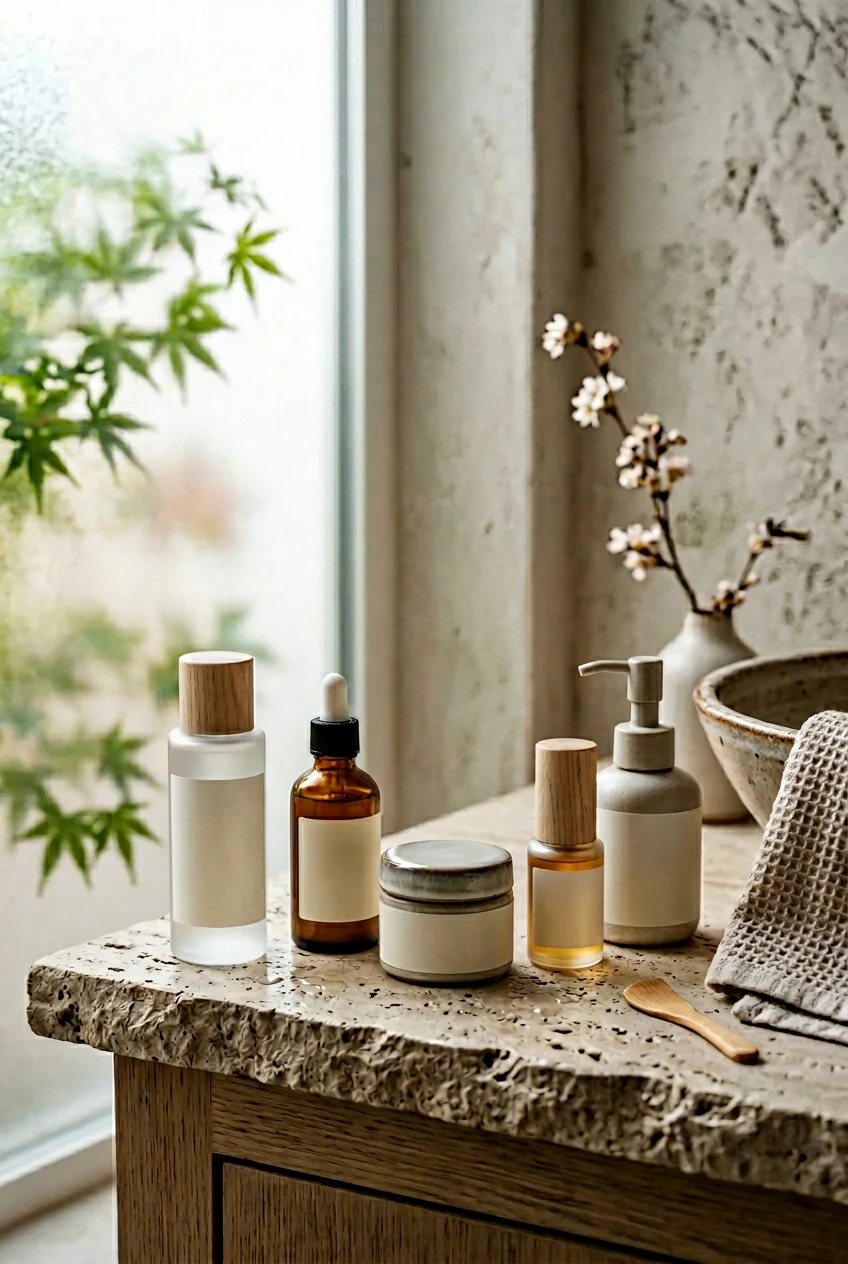
What’s Inside
- The Oil Cleanser Step Is Non-Negotiable
- Relearning How To Use Hydrating Lotions
- Layering Active Essences Correctly
- Relying On Ceramides For Barrier Repair
- Fermented Ingredients For Amino Acid Delivery
- The Daily Sunscreen Rule For Japan Skincare Products
- Dropping The Aggressive Physical Scrubs
- The Millefeuille Layering Technique
- Extending Coverage To The Neck And Chest
- Utilizing All-In-One Gels For Fast Mornings
- Yuzu Extract For Non-Irritating Brightening
- Biomimetic Hydration With Pure Camellia Oil
- Investing In Structural Serums Over Trendy Fillers
Last Tuesday at Whole Foods, I caught a glimpse of my face in the harsh fluorescent lighting of the produce aisle. My skin looked like dry, crinkled wax paper. I realized my aggressive Western foaming cleansers were wrecking my moisture barrier. That failure pushed me to overhaul my routine and start testing authentic Japan skincare products. The difference between Western squeaky-clean formulas and the Japanese focus on barrier health is staggering. I’ve spent the last four months tracking down specific formulations, measuring pH levels, and figuring out which Japan skincare products actually deliver. Skip the trial and error. Here is the breakdown of what works, what fails, and how to use these formulas.
1. The Oil Cleanser Step Is Non-Negotiable

I used to buy standard makeup wipes at Kroger and wonder why my pores were always clogged. Wipes just smear dirt around. The foundational step of Japanese skincare requires an oil cleanser first. I use exactly 2 pumps of the DHC Deep Cleansing Oil. It costs about $15.99 for the 2.3 oz bottle. You massage it onto dry skin. This is crucial. Don’t wet your face first. Rub it in for exactly 60 seconds. The olive oil base binds to the sebum and stubborn SPF. It smells like cooking oil, which I prefer over heavy artificial fragrances—trust me. Then you rinse. I tried skipping this and just using a regular gel wash from Target, and my cotton pad still showed foundation residue. Follow up the oil with a water-based foam like the Senka Perfect Whip Cleansing Foam, which runs $8.50 for 4.2 oz. The foam removes the water-soluble impurities. If you aren’t doing this two-step method, your expensive serums are just sitting on top of a layer of daily grime. You can also try the Attenir Skin Clear Cleanse Oil for $10.50 if you want a thinner texture.
2. Relearning How To Use Hydrating Lotions

Western toners are usually astringents that burn. Japanese lotions are liquid hydrators. I bought the Hada Labo Gokujyun Premium Hyaluronic Acid Lotion ($14.99 for 5.7 oz) after reading clinical trials on its 7-weight hyaluronic acid complex. I initially used it wrong. I poured a puddle onto a cotton round and wiped it across my face. The cotton absorbed half the product, and my skin felt sticky. Don’t do that. You need a nickel-sized amount in your bare palms. Press your hands together, then gently pat the thick, viscous liquid onto your face and neck. It has the consistency of raw egg whites. It takes about 45 seconds to sink in. This primes the stratum corneum to absorb whatever you put on next. I buy my cotton rounds in bulk at Costco now, but I strictly save them for nail polish removal. Using your hands for hydrating lotions is the only way to get the full benefit without wasting product. It’s an efficient delivery system for moisture.
3. Layering Active Essences Correctly

Essences sit between a toner and a serum in terms of weight. I tested the SK-II Facial Treatment Essence ($110 for the 2.5 oz bottle). It relies on Pitera, a fermented yeast extract. It smells like old beer. It’s effective for texture, but the price tag is aggressive. If you’re on a budget, the Melano CC Vitamin C Essence is a functional alternative. I picked up a 0.67 oz tube for $12.99. It comes in a tiny, light-proof aluminum tube with a precision drop nozzle. The packaging is brilliant because it prevents the ascorbic acid from oxidizing. I apply exactly 5 drops to my forehead and cheeks. Apply 1 to 3 thin layers, depending on how dry your environment is. I live in a dry climate, so I do two layers. Let the first layer dry for 30 seconds before adding the second. It leaves a slight oily slip for a minute, but it absorbs matte. It’s excellent for targeting dark spots.
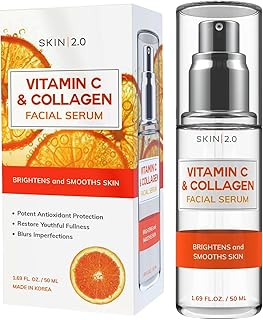
Skin 2.0 Vitamin C Serum – Dermatologist Tested
Skin 2.0 Vitamin C Serum – Dermatologist Tested has been one of the most consistently praised picks in this category. 45 reviewers averaged 4.5/5.
4. Relying On Ceramides For Barrier Repair

Ceramides make up about 50 percent of your skin barrier. When I used to buy cheap, fragranced moisturizers at Walmart, my face was constantly red and peeling. I learned that the hard way. I didn’t realize I was stripping my lipid barrier. The Japanese skincare philosophy prioritizes ceramide replenishment. I switched to the Hada Labo Gokujyun Perfect Gel ($19.99 for 3.5 oz). It contains multiple ceramides, hyaluronic acid, and collagen. The texture is bizarre. It’s a memory gel that jiggles in the jar and smooths out after you scoop some. I take a half-teaspoon amount and massage it in at night. It feels slightly tacky for ten minutes, which can be annoying if you sleep on your side. However, you wake up with skin that feels dense and resilient. If you need daytime barrier protection, the Curel UV Protection Face Milk SPF 50+ PA++++ ($28 for 2 oz) uses pseudo-ceramides to protect sensitive skin from UV rays without stinging. It’s effective for winter weather. You might also like: 15 Brilliant Skincare Routine Ideas That Make a Real Difference
5. Fermented Ingredients For Amino Acid Delivery

Fermentation breaks down molecules so your skin can absorb them. The Kikumasamune Japanese Sake Skin Care Lotion High Moisture ($14.50 for a massive 16.9 oz pump bottle) is a prime example. It uses sake ferment filtrate, packed with amino acids and kojic acid to brighten the skin. I need to be honest about the smell. It smells like cheap bubblegum mixed with rice wine. The scent dissipates after two minutes, but it’s jarring at first. I use 1 full pump for my face and 2 for my arms and legs after a shower. Because the bottle is so large, it’s cost-effective for full-body hydration. The pump mechanism is a bit aggressive and tends to squirt the liquid across the counter if you aren’t careful. Cup your hand around the nozzle. The hydration it provides is deep, leaving a sheen that makes dull areas look instantly healthier. You might also like: 20 Gorgeous Aesthetic Products Korean Skincare for Every Budget
6. The Daily Sunscreen Rule For Japan Skincare Products

You can buy all the expensive serums in the world, but if you aren’t wearing SPF 50+ daily, you’re wasting money. Western sunscreens often feel thick, greasy, and smell like a public pool. The formulations in Japan skincare products are different. The Biore UV Aqua Rich Watery Essence SPF 50+ PA++++ ($11.99 for 1.7 oz) shifted my expectations. It dispenses as a pale yellow gel and bursts into a water-like texture as you rub it in. It contains micro-encapsulated UV filters. I use exactly 1/4 teaspoon for my face and 1/4 for my neck. It dries down in 60 seconds with zero white cast, even on darker skin tones. If I’m going to be sweating or swimming, I upgrade to the Anessa Perfect UV Sunscreen Skincare Milk SPF 50+ PA++++ ($25 for 2 oz). The Anessa formula strengthens its UV veil when exposed to water or sweat. It has a powdery, matte finish. The only negative is that you must use an oil cleanser to get the Anessa off at night, or it will clog your pores. You might also like: 15 Charming Tips For Clear Skin Natural Skincare for a Fresh New Look

COSRX Vitamin E Vitalizing Sunscreen,SPF 50 Face Sunscreen
A dependable everyday pick — COSRX Vitamin E Vitalizing Sunscreen pulls in 42 ratings at 4.5 stars. Not flashy, just solid.
7. Dropping The Aggressive Physical Scrubs

I spent my teenage years scrubbing my face with walnut shells. It caused micro-tears and chronic redness. Japanese routines avoid harsh physical exfoliation. Instead, they use enzyme powders or gentle tools. I picked up a plain white Konjac sponge at Sprouts for $6.99. It’s made from the glucomannan fiber of the konjac root. It feels like a hard pumice stone when dry, but once you soak it in warm water for three minutes, it expands into a squishy sponge. It gently sloughs off dead skin without scratching the barrier. For chemical exfoliation, the Kanebo Suisai Beauty Clear Powder Wash ($18.50 for 32 single-use capsules) uses protease and lipase enzymes to dissolve sebum. You open one tiny hexagonal pod, pour the white powder into your wet palm, and lather. I use this twice a week. If you use it daily, your skin will feel tight. It’s effective for clearing out sebaceous filaments without inflammation.
8. The Millefeuille Layering Technique

The order in which you apply your products dictates whether they work. The Japanese layering technique, millefeuille, means applying formulas from the thinnest consistency to the thickest cream. If you put a heavy ceramide cream on first, a watery essence can’t penetrate it. My morning sequence is a water rinse, Hada Labo watery lotion, Melano CC serum, a light emulsion, and finally sunscreen. I used to rush this. I’d slap on four products in thirty seconds. The result was a pilling, sticky mess. You have to give each layer a moment to settle. I apply my watery lotion, then go make my coffee. I come back, apply the serum, then brush my teeth. Taking these 60-second breaks between layers ensures the active ingredients absorb into the epidermis rather than just mixing into a slurry on the surface. It’s a simple mechanical adjustment that improves absorption.
9. Extending Coverage To The Neck And Chest

Most people stop their skincare routine at their jawline. I did this for years until I noticed the skin on my neck was looking duller than my face. The neck and decolletage have fewer sebaceous glands, meaning they dry out faster and show UV damage earlier. Every product I apply to my face now gets dragged down to my collarbones. When I dispense my 1/2 teaspoon of hydrating lotion, I sweep the excess down my neck using upward strokes. When applying the Biore UV Aqua Rich sunscreen, I use a dedicated nickel-sized drop specifically for my neck. I learned the hard way that skipping the back of the neck leads to terrible sunburns. Treat your chest like your face. It requires the same gentle cleansing, ceramide barrier repair, and sun protection. Don’t waste leftover product by washing it off your hands.

Masirs Clear Makeup Organizer
Honestly, Masirs Clear Makeup Organizer – 16-Compartment Cosmetic and Jewelry Ho surprised me — sturdier than it looks in the photos, and over 258 buyers gave it 4.5 stars.
10. Utilizing All-In-One Gels For Fast Mornings

As much as I respect the multi-step process, there are mornings when I don’t have the time. Japanese cosmetic chemists have developed sophisticated all-in-one gels for this. I keep a jar of the Sana Nameraka Honpo Soy Milk 6-in-1 Moisture Gel Cream ($12 for 3.5 oz) in my cabinet. It acts as a toner, essence, serum, moisturizer, and primer. It utilizes fermented soy milk extract, which contains isoflavones that help with skin elasticity. The texture is a dense, milky gel. I scoop out a dime-sized amount and massage it into damp skin. It takes two minutes to lose its sticky finish, but once it dries, it creates a smooth canvas for makeup. I wouldn’t rely on this for my nighttime routine, but for a rushed Tuesday, it’s efficient. It replaces four bottles and saves me ten minutes of waiting for layers to dry.
11. Yuzu Extract For Non-Irritating Brightening

Standard L-ascorbic acid serums can be irritating. I’ve had several Western vitamin C formulas oxidize in the bottle, turning a useless orange. Japanese formulations are using Yuzu, a native citrus fruit, for brightening. Yuzu extract naturally contains high concentrations of Vitamin C to inhibit melanin, but it also contains essential oils that act as humectants. This means it draws moisture into the skin while fading hyperpigmentation. I tested a Yuzu-based sleeping mask last winter when my skin was looking gray. I had previously tried a cheap citrus scrub that left me with chemical burns, so I was hesitant. The Japanese formulation was different. The scent is incredible. It’s tart, green, and slightly bitter, like a real rind. Unlike pure ascorbic acid which can sting dry patches, the Yuzu formulations are gentle. I apply a thin layer over my nighttime moisturizer twice a week. It speeds up cell turnover.
12. Biomimetic Hydration With Pure Camellia Oil

I used to buy expensive bottles of blended facial oils, assuming complex lists meant better results. Then I researched Tsubaki (camellia) oil. Geishas historically used this single ingredient to remove makeup and condition their skin. Camellia oil is rich in oleic acid, linoleic acid, and squalene. Its molecular structure is similar to human sebum. This biomimetic property means your skin absorbs it without leaving a greasy slick. I use the Oshima Tsubaki Camellia Oil ($16.50 for 1.35 oz). The glass bottle is heavy, but the drip dispenser can be messy. I use exactly 2 drops. I rub them between my palms to warm the oil, then press my hands against my cheeks and forehead as the last step in my night routine. It seals in all the water-based hydration and eliminates dry, flaky patches around my chin.

6Pcs Jade Roller for Face
If you want something that just works, 6Pcs Jade Roller for Face is a safe bet (28 reviews, 4.5 stars).
13. Investing In Structural Serums Over Trendy Fillers

While I buy my cleansers and sunscreens at affordable price points, I allocate my actual budget toward researched serums. The Japanese beauty market excels at structural, cellular-level formulations. I recently incorporated the Shiseido Ultimune Power Infusing Concentrate ($75 for 1 oz). It’s designed to boost the skin’s Langerhans cells, which control the immune function of the barrier. The texture is a slightly cloudy, slippery fluid. I use 1 pump for my entire face. It has a botanical scent of rose and lotus, which I usually avoid, but it hasn’t triggered any irritation. I bought a backup bottle at Costco when they had a discount. After three weeks of consistent use, the chronic redness around my nostrils faded, and my skin felt physically thicker and less reactive to temperature changes. If you’re going to spend over fifty dollars on a single product, put it toward a serum that alters the resilience of your skin barrier, rather than a basic moisturizer.
If you’re dealing with a compromised skin barrier or chronic dehydration, switching to proper Japan skincare products is a logical step. Start with a basic double cleanse and a hydrating lotion before buying expensive serums. Save this guide to your Pinterest skincare board so you have the product names and application measurements handy the next time you’re shopping.
Frequently Asked Questions
Why do I need to double cleanse with Japan skincare products?
Double cleansing ensures you remove both oil-based debris like sunscreen and water-based impurities like sweat. An oil cleanser dissolves the heavy buildup, and a foaming wash clears the remaining residue without stripping your skin barrier.
What is a Japanese hydrating lotion?
Unlike Western astringent toners, a Japanese lotion is a watery liquid packed with humectants like hyaluronic acid. You pat it directly onto clean skin to provide deep hydration and prime your face for serums.
How long should I wait between skincare layers?
You should wait about 45 to 60 seconds between applying different Japan skincare products. This brief pause allows each layer to absorb properly into the epidermis, preventing the formulas from pilling or rolling off.
Are Japanese sunscreens better for daily wear?
Yes, Japanese sunscreens utilize advanced micro-encapsulated UV filters. This allows them to provide high SPF 50+ protection in lightweight, watery gel textures that dry down completely clear and matte within 60 seconds.
