
What’s Inside
- Nailing the Rhode Skincare Aesthetic with Pineapple Refresh
- Prepping the Barrier with Glazing Milk
- Layering Peptide Glazing Fluid for Dewy Hydration
- Sealing Moisture with Barrier Restore Cream
- Upgrading to Barrier Butter for Winter Dryness
- Mastering the Skin Sandwiching Technique
- The Rhode Skincare Aesthetic Requires Lip Care Too
- Avoiding the Over-Exfoliation Trap
- Mixing Skincare with Foundation for a Luminous Base
- Focusing on Internal Hydration and Skin Longevity
Last November, my skin was flaking off in actual sheets right around my nose and chin. I wanted that rhode skincare aesthetic, but I made the mistake of using a harsh 10 percent benzoyl peroxide wash twice a day to clear up a single hormonal breakout. My face ended up looking like red, angry sandpaper. I couldn’t put foundation over it without it clinging to every dry patch. That specific failure forced me to completely rethink how I treat my skin barrier. Getting that glazed, hydrated look isn’t about scrubbing your face into submission. It’s about building a healthy, luminous complexion through strategic hydration and gentle ingredients.
I spent the next six months testing formulas, tracking my skin’s pH, and figuring out exactly how much product actually absorbs versus what just evaporates into the air. I’ve ruined pillowcases with heavy creams and clogged my pores with the wrong oils. I tried this routine wrong for months before figuring it out—took me years to figure out, honestly. If you’re trying to build a routine that prioritizes long-term skin health and barrier integrity, you have to be methodical. Let’s look at the exact steps, measurements, and formulas you need to get your skin functioning properly again.
1. Nailing the Rhode Skincare Aesthetic with Pineapple Refresh

Start your routine by gently cleansing to remove impurities without stripping your skin. I used to buy those harsh foaming cleansers at Target for $6.99 that left my face feeling like tight, shiny plastic. I thought the squeaky-clean feeling meant it was working. I couldn’t have been more wrong. You need a cleanser that respects your acid mantle. Use exactly one pump of the Rhode Pineapple Refresh Daily Cleanser, which costs $28. It comes out as a thick, golden balm.
The texture is crucial here. Don’t just slap it onto a dry face. You have to massage that single pump into wet hands for about fifteen seconds to create a light, milky lather before applying it to your face. This specific cleanser is pH-balanced at 5.5, which closely matches your skin’s natural state. It contains pineapple fruit extract, which is a natural source of bromelain. Bromelain provides a very mild enzymatic exfoliation without the physical tearing you get from scrubs. It also includes niacinamide and hyaluronic acid to brighten and hydrate while you wash. One major mistake I made early on was using scalding hot shower water to rinse this off. Hot water melts the natural lipids in your skin barrier. Always rinse with lukewarm or slightly cool water. Your skin shouldn’t look red when you step out of the bathroom.
2. Prepping the Barrier with Glazing Milk

After cleansing, you need to reintroduce liquid hydration immediately. I apply a generous, quarter-sized amount of the Rhode Glazing Milk Ceramide Facial Essence, which runs about $30. Pour it directly into the palm of your hand, rub your hands together once, and gently press it onto your face, neck, and décolleté. Do not rub it in vigorously like a lotion. Pressing forces the liquid into the upper layers of the epidermis.
This essence is a nutrient-rich powerhouse. It features a ceramide trio, beta-glucan, and a specific magnesium, zinc, and copper blend. The texture is literally like skim milk—runny, opaque, and incredibly fast-absorbing. I tried applying this to bone-dry skin for the first three weeks I owned it. It just sat on the surface and felt slightly tacky. I finally realized you have to apply it to damp skin. I actually keep a cheap $1.99 plastic spray bottle I bought at Walmart on my bathroom counter filled with distilled water. I mist my face lightly before pressing the Glazing Milk in. The water acts as a vehicle, allowing the ceramides to sink in deeper and boost barrier function instantly. It provides immediate, luminous hydration and preps your skin so the next products actually penetrate instead of sitting on top.
3. Layering Peptide Glazing Fluid for Dewy Hydration

Once the essence is mostly absorbed but still slightly tacky, follow up with the Rhode Peptide Glazing Fluid. I dispense exactly 2-3 pumps of this lightweight, quick-absorbing gel serum onto my face and neck. It costs $30 and is the core product for getting that signature glazed finish. The formula relies heavily on niacinamide, peptides, marula oil, and glycerin. Glycerin is a humectant that pulls water into the skin, while the marula oil provides a very sheer emollient layer to soften the texture. You might also like: 15 Beautiful Aesthetic Vision Board Skincare to Inspire Your Next Project
I compared this to a botanical serum I bought at Whole Foods for $45 last year. The Whole Foods one smelled aggressively like lavender and essential oils, which ended up giving me contact dermatitis around my jawline. The Rhode fluid is completely fragrance-free, which is mandatory if you’re dealing with a compromised barrier. I will admit one negative here: the packaging is sleek, but the pump mechanism can get jammed if you don’t press it down evenly. I’ve had it spit product across my bathroom mirror twice because dried gel clogged the tiny nozzle. Wipe the nozzle clean after you use it. When applied correctly over the Glazing Milk, it visibly plumps fine lines around the mouth and forehead within minutes. You might also like: 15 Stunning Aesthetic Natural Skincare You Haven’t Thought Of

EQQUALBERRY Vitamin Illuminating Serum | Niacinamide 4% +
EQQUALBERRY Vitamin Illuminating Serum | Niacinamide 4% + Brightening has been one of the most consistently praised picks in this category. 108 reviewers averaged 4.5/5.
4. Sealing Moisture with Barrier Restore Cream

As the final step in your core routine, you have to lock all those water-based layers in with an emollient. Apply exactly a 1/2 finger-length amount of the Rhode Barrier Restore Cream, which costs around $30. Squeeze a line from the tip of your index finger to the first knuckle. That’s the perfect amount for your face and neck. This moisturizer comforts and soothes the skin barrier using a blend of peptides, shea butter, squalane, niacinamide, and bisabolol. You might also like: 14 Glass Skin Routine for Every Budget
Bisabolol is extracted from chamomile and is incredible for taking down redness. The texture is a rich yet surprisingly lightweight cream. I used way too much of this at first. I was applying a huge dollop, and it ended up pilling terribly under my daily sunscreen I get from Kroger. I’d rub my cheek at lunch and little white clumps of product would roll off. You have to use the 1/2 finger-length measurement, and you have to let the Peptide Glazing Fluid dry down for exactly 60 seconds before applying this cream on top. If you mix them while wet, they emulsify weirdly. When applied correctly, it creates a breathable seal that keeps the hydration trapped in your skin for a full ten hours.
5. Upgrading to Barrier Butter for Winter Dryness

If your skin is particularly dry, dehydrated, or you’re dealing with harsh winter climates, the standard Barrier Restore Cream might not be enough occlusive protection overnight. I learned this the hard way when I visited family in Denver last February. The wind chill was brutal, and the indoor heating completely zapped my skin. My face felt tight and itchy by 2 PM every day. I had to switch to the Rhode Barrier Butter, which is a heavier, more intense formula designed specifically to trap in moisture.
It costs $38 and comes in a tub rather than a tube. It utilizes murumuru butter and a heavier concentration of ceramides to provide a thick, occlusive layer. The texture is dense. You have to warm a blueberry-sized amount between your fingers before pressing it into your face. Honestly, it’s almost too thick for daytime use unless you have severely dry skin. I strictly use it as an overnight mask. A quick warning: because it’s so heavy, it will stick to your pillowcase if you sleep on your side immediately after applying it. I apply it at least thirty minutes before getting into bed so it has time to settle into a protective film rather than wiping off on my cotton sheets.
6. Mastering the Skin Sandwiching Technique

If you’re incorporating strong active ingredients like tretinoin or over-the-counter retinoids, you have to protect your barrier. I used to just slap raw retinol I bought in a two-pack from Costco directly onto my bare skin right after washing it. I’d wake up with red, peeling cheeks and wonder why my skin burned when I sweat at the gym. You have to adopt the “skin sandwiching” technique to buffer the irritation.
Here is the exact method. First, apply a hydrating layer like the Glazing Milk to damp skin. Wait exactly three minutes for it to completely dry. Your skin must be dry before applying retinoids, or the water will pull the active ingredient in too fast and cause severe burning. Next, apply a pea-sized amount of your active ingredient. Wait another three minutes. Finally, seal it in with a layer of the Barrier Restore Cream. The peptides and shea butter in the cream mitigate the inflammatory response of the retinoid. This sandwich method dilutes the immediate impact of the active ingredient just enough to stop the flaking, but it won’t stop the long-term collagen-building benefits. It’s the only way I can use prescription retinoids without destroying my moisture barrier.
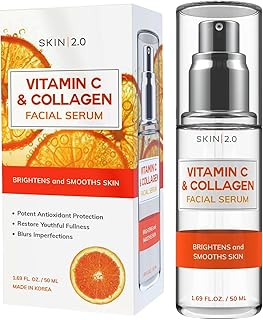
Skin 2.0 Vitamin C Serum – Dermatologist Tested
A dependable everyday pick — Skin 2.0 Vitamin C Serum – Dermatologist Tested pulls in 45 ratings at 4.5 stars. Not flashy, just solid.
7. The Rhode Skincare Aesthetic Requires Lip Care Too

While the focus is usually on facial skin, Hailey Bieber’s routine heavily emphasizes lip treatment. You can’t have a glowing, hydrated face and crusty, peeling lips. I used to rely on cheap, waxy chapsticks I’d grab at the Trader Joe’s checkout line for $1.99. They’d coat my lips in a heavy film but never actually moisturized them, so I was reapplying every twenty minutes. I eventually switched to the Rhode Peptide Lip Treatment, which costs $16 per tube.
The formula contains peptides, cupuaçu butter, and babassu oil. It has a thick, glossy texture that stays put for hours. I prefer the unscented version because it literally tastes like nothing. I despise the artificial vanilla flavor in most cheap lip balms. However, I have a major grievance with the packaging. The product is so thick that it inevitably oozes out of the applicator tip and gets trapped in the screw threads of the cap. If you don’t wipe the threads down with a tissue once a week, it creates a sticky, gross mess that will leak all over the inside of your purse. Despite the annoying tube, the formula itself actually repairs the lip barrier overnight instead of just masking the dryness.
8. Avoiding the Over-Exfoliation Trap

A massive misconception about getting glowing skin is that you need to scrub away all the dead cells every single day. While gentle exfoliation is beneficial, over-exfoliating is the fastest way to compromise your skin barrier. I made this mistake in college. I used a gritty walnut scrub I bought at Sprouts every single morning. My skin was constantly flushed, tight, and ironically, breaking out more because my barrier was too damaged to keep bacteria out.
Limit your exfoliation to 1-2 times a week, maximum. The Pineapple Refresh cleanser already provides a very mild enzymatic exfoliation with bromelain. For most people, that’s enough for daily use. If you feel like you need more texture refinement, use a dedicated liquid chemical exfoliant (like a mild lactic acid) strictly on Tuesday and Friday nights. Do not use physical scrubs with jagged particles. When you over-exfoliate, you strip away the protective lipids. Your skin responds by pumping out excess oil to compensate, which leads to clogged pores. If your skin stings when you apply a basic moisturizer like the Barrier Restore Cream, you’ve over-exfoliated. Stop all actives immediately and just use the Glazing Milk and a heavy moisturizer for two weeks to recover.
9. Mixing Skincare with Foundation for a Luminous Base

For an extra dewy makeup look, you can manipulate your foundation by mixing it directly with your skincare. I used to wear a heavy, full-coverage matte foundation that made my face look flat and lifeless. I tried applying highlighter over it, but it just looked powdery. The trick is to mix exactly one pump of the Rhode Peptide Glazing Fluid with one pump of your favorite liquid foundation on the back of your hand before applying it with a damp sponge.
This creates a luminous, skin-first base that sheers out the coverage and adds a massive dose of glycerin and marula oil to your makeup. It prevents the foundation from settling into dry patches around your nose. There is a catch, though. You have to check the ingredients of your foundation. If you use a heavily silicone-based foundation, mixing it with the water-based Glazing Fluid will cause the mixture to separate and curdle into a weird, oily mess on your hand. I tried it with a cheap silicone primer I got on clearance at Walmart for $4.50, and it rolled right off my face. You must use a water-based or lightweight serum foundation for this mixing trick to work.
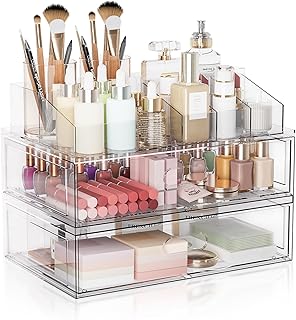
Clear Stackable Makeup Organizer with Drawer
A dependable everyday pick — Clear Stackable Makeup Organizer with Drawer pulls in 306 ratings at 4.5 stars. Not flashy, just solid.
10. Focusing on Internal Hydration and Skin Longevity

In 2026, the skincare trend is shifting heavily towards skin longevity, building resilient skin, and supporting the microbiome. Rhode’s focus on barrier repair and hydration aligns perfectly with this, but topical products only go so far. You can’t slather ceramides on your face and expect miracles if you’re chronically dehydrated internally. I used to drink maybe two glasses of water a day and wonder why my under-eyes looked hollow and my skin lacked bounce.
I finally bought a massive 64-ounce water jug and force myself to finish it by 5 PM every day. Hydration from within contributes significantly to your skin’s overall plumpness. Think about how humectants like glycerin and hyaluronic acid work in the Peptide Glazing Fluid. They act like sponges, pulling water into the skin cells. If there is no water in your body for them to pull from, they can actually start pulling moisture out from the deeper layers of your skin, leaving you drier than before. Furthermore, the emerging 2026 trend focuses on postbiotics to nurture the skin’s ecosystem. Keeping your internal hydration up ensures your skin has the basic building blocks it needs to maintain a healthy microbiome. Skincare is a partnership between what you apply on the outside and what you consume on the inside.
Building a solid routine takes patience and precision. I’ve wasted so much money on harsh actives and heavy, pore-clogging creams before finally understanding the mechanics of barrier repair. Stick to the exact measurements, respect your skin’s pH, and never skip the damp-skin application step for your essences. I highly recommend picking up the Glazing Milk first if you’re only going to buy one item to start. Pin this guide so you can reference the exact layering steps and measurements the next time you’re standing in front of your bathroom mirror trying to figure out what goes on first.
Frequently Asked Questions
What is the rhode skincare aesthetic?
It focuses on achieving a healthy, hydrated, and luminous complexion, often referred to as ‘glazed donut skin.’ The routine prioritizes barrier repair, gentle cleansing, and layering hydrating essences and peptide-rich fluids.
Do I apply Rhode Glazing Milk to dry or damp skin?
Always apply it to slightly damp skin. The moisture helps the ceramides and humectants pull water into the skin barrier, ensuring better absorption and preventing the product from feeling sticky.
How much Rhode Barrier Restore Cream should I use?
Use exactly a 1/2 finger-length amount for your face and neck. Applying too much can cause the product to pill, especially if layered under sunscreen or makeup.
Can I mix Rhode Peptide Glazing Fluid with makeup?
Yes. Mix one pump of the fluid with one pump of a water-based liquid foundation. Avoid mixing it with heavy silicone-based foundations, as the formulas will separate and curdle.
