
What’s Inside
- Prioritize Barrier Repair With Ceramides
- Embrace Microbiome-Focused Postbiotics
- Integrate Advanced Peptides For Collagen
- Explore Exosomes For Regenerative Benefits
- Commit To Daily Broad-Spectrum SPF 30+
- Start Retinoids With Gentle Formulations
- Consider Algae-Derived Bioretinol
- Master Product Quantities To Avoid Waste
- Adopt A Less Is More Capsule Routine
- Hydrate Deeply With Hyaluronic Acid And Squalane
Last Tuesday at Target, I caught my reflection in the harsh fluorescent lights of aisle four. My face looked like a peeling, angry tomato. I realized my current routine was wrecking my moisture barrier. I stood there holding a basket full of aggressive chemical exfoliants, wondering why my skin hurt all the time. If you’re building your 2025 skincare vision board, please learn from my massive failure. I spent months layering twelve different strong acids until my cheeks literally burned when I sweat. I thought the stinging meant it was working. It’s not cute, and it’s definitely not healthy. You won’t get that glassy, plump look by torturing your face with a mountain of active ingredients. Instead, I’m sharing the exact dermatologist-approved routines I’m pinning right now. These are the actual products, measurements, and textures that’ll save your face next year. I’ve spent weeks digging through clinical research and testing these on my own reactive skin. Let’s fix this. We’re leaving the era of chemical burns behind and stepping into deep, restorative hydration. Grab a coffee, open your Pinterest app, and let’s get into the specifics.
1. Prioritize Barrier Repair With Ceramides

When I pull up my Pinterest for 2025 skincare, barrier repair is everywhere. Dermatologist Dr. Ava Chen says a compromised barrier is at the root of most inflammatory skin issues. Repairing it isn’t optional; it’s foundational. I learned this the hard way at a ski lodge in Colorado. The freezing wind whipped my face, and my usual lightweight lotion did nothing. By dinner, my skin felt like dry sandpaper. It was flaking around my nose, and my foundation looked like cracked mud. You need thick ceramides, cholesterol, and fatty acids to mimic the skin’s natural composition. I’m obsessed with the SkinCeuticals Triple Lipid Restore 2:4:2. It’s a painful $150.00 for a 1.6 oz jar. It smells like lavender and feels like rich, whipped butter. If you’re on a budget, skip the fancy packaging and grab CeraVe Moisturizing Cream. It’s usually $18.99 for a 16 oz tub at Walmart. I slather a nickel-sized amount on my face and a quarter-sized amount on my neck twice daily. It absorbs in about three minutes and leaves a tacky, protective film that blocks the cold. Don’t buy the fat-free, oil-free lotions. They feel like wet cardboard and won’t fix a broken barrier. Your skin needs fat to survive. I used to think oil would cause instant cystic acne. I was wrong. Denying your skin these lipids just makes it produce more sticky, low-quality sebum that clogs your pores. Embrace the rich creams. Your barrier will thank you.
2. Embrace Microbiome-Focused Postbiotics

Last month at Whole Foods, I was staring at a wall of expensive kombucha when it hit me. My gut needs good bacteria, and so does my face. The skin’s microbiome is a massive deal. You want postbiotics. These are beneficial bacteria byproducts that strengthen your barrier, boost hydration, and calm redness. Studies show this approach can improve conditions like rosacea by up to 30 percent. I used to scrub my face with harsh, foaming soaps that stripped away my natural oils. My face squeaked when I rubbed it with a towel. That’s a terrible sign. It means you’ve destroyed your acid mantle. Now, I exclusively use the Cultured Biomecare Biome One Cleanser. It’s $42.00 for a 3.3 oz bottle. I pump exactly 1/2 teaspoon into my wet palms. It has an earthy, sour yogurt smell that takes a week to get used to. It doesn’t foam. It feels like a slippery, dense milk sliding over your cheeks. My skin feels bouncy afterward, never tight. Stop nuking your face bacteria with aggressive scrubs. You’re just asking for breakouts and chronic irritation. Treat your face like a delicate ecosystem. When you strip the good bacteria, the bad bacteria take over, leading to inflammation. I keep my postbiotic cleanser in the shower so I don’t forget it. It’s the best switch I’ve made all year.
3. Integrate Advanced Peptides For Collagen

Peptides are tiny messengers that tell your skin cells to make more collagen. I’m seeing them everywhere right now. Look for serums with ingredients like Matrixyl (Palmitoyl Pentapeptide-4) or Copper Tripeptide-1. I tried a cheap peptide serum once that smelled like metallic pennies and broke me out in hard white bumps across my forehead. Formulation matters. I finally splurged on the Lancôme Renergie H.P.N. 300-Peptide Cream. It’s $145.00 for a 1.7 oz glass jar. It combines 300 peptides with niacinamide and hyaluronic acid. I scoop out a pea-sized amount with a tiny plastic spatula. The texture is silky, almost like a primer, and it smells like white flowers. I tap it under my eyes and sweep it upward along my jawline. Here is a massive mistake I made: I used too much under my foundation. It pilled into gross little white balls during a meeting. It was embarrassing. Use a tiny bit. Let it sink in for five minutes before applying makeup. I also recommend using peptide creams at night when your skin is in its natural repair cycle. You wake up looking like you slept for twelve hours instead of scrolling TikTok until 2 AM. You might also like: 15 Beautiful Aesthetic Morning Skincare for Any Style

Masirs Clear Makeup Organizer
Honestly, Masirs Clear Makeup Organizer – 16-Compartment Cosmetic and Jewelry Ho surprised me — sturdier than it looks in the photos, and over 258 buyers gave it 4.5 stars.
4. Explore Exosomes For Regenerative Benefits

If you want the ultimate flex for your 2025 skin, look into exosomes. These microscopic messengers support cell-to-cell communication. They tell older, tired cells to act young again. They promote regeneration and improve elasticity for natural-looking results. Most exosome treatments are done in clinics with micro-needling, but topical skincare is catching up. I tried the Plated Skin Science Intense Serum. It’s a staggering $268.00 for a tiny 0.5 oz bottle. I bought it after a friend raved about it over $6.50 iced matcha lattes. I dispense exactly 2 drops for my face. It feels like water. It has no smell and absorbs instantly. I hated it for two weeks because it felt like expensive tap water. I felt scammed. But by week four, the flaky dry patches around my nose vanished. My skin looked visibly thicker and more resilient. If you can stomach the price, it’s incredible. Just don’t mix it with strong chemical acids, or you’ll destroy the fragile exosomes. They are delicate. Store the bottle in a cool, dark place. I keep mine in the back of my bathroom drawer. It’s an investment, so treat it carefully. You might also like: 20 Gorgeous Aesthetic Products Korean Skincare for Every Budget
5. Commit To Daily Broad-Spectrum SPF 30+

This is non-negotiable. I don’t care how many expensive serums you buy. If you aren’t wearing sunscreen every single day, you’re wasting money. You need daily broad-spectrum SPF 30+ to prevent premature aging and skin cancer. Look for new generation UV filters like Bemotrizinol. It offers broad-spectrum UVA and UVB protection and high photostability. I used to hate sunscreen. I bought a cheap brand that smelled like fake coconuts and left a greasy white mask on my face. I looked like a sweating ghost in photos. Now, I exclusively use the EltaMD UV Clear Broad-Spectrum SPF 46. It costs $43.00 for a 1.7 oz airless pump. I buy mine in a 2-pack at Costco whenever I spot a deal. I measure out exactly 1/4 teaspoon for my face and another 1/4 teaspoon for my neck. It has a watery texture and smells faintly of zinc. It rubs in clear in ten seconds. I apply it every morning. Even when it’s pouring rain. UV rays don’t care about clouds. They penetrate window glass while you’re driving or sitting at your desk. Make SPF the final step of your morning routine, and don’t forget your ears. That’s a spot most people ignore until it’s too late. You might also like: 20 Beautiful Routine Skin Care Tips Natural Acne Skincare for a Fresh New Look
6. Start Retinoids With Gentle Formulations

Retinol is the gold standard for anti-aging and adult acne. But most people get this wrong. In my early twenties, I ordered a 1% retinol cream online. I slathered a grape-sized glob on my face every night. By day three, my skin was peeling off in sheets. It burned when I smiled or washed with water. Don’t do this. For beginners, opt for low concentrations like 0.1 to 0.3 percent. You can also try retinaldehyde or granactive retinoids. I recommend the Cocokind Beginner Retinol Gel. It’s an approachable $22.99 for a 1 oz tube at Target. It has a 0.1% concentration mixed with soothing cica and aloe. I squeeze out a tiny, pea-sized amount onto my ring finger. The gel is yellow and feels cooling on inflamed skin. I apply it just once or twice a week at night. I always layer my thickest moisturizer over it to buffer the active ingredients. Slow and steady wins the race. You won’t get results if your face is constantly inflamed. I recommend the sandwich method: moisturizer, retinol, then more moisturizer. It eliminates the flaking phase while letting the ingredients work.
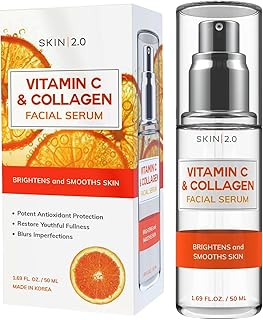
Skin 2.0 Vitamin C Serum – Dermatologist Tested
Skin 2.0 Vitamin C Serum – Dermatologist Tested punches above its price — 45 buyers rated it 4.5 stars. I would buy it again.
7. Consider Algae-Derived Bioretinol

Some people just can’t tolerate traditional retinoids. If your face turns red and angry just looking at a tube of retinol, you need a different approach. Algae-derived bioretinol is a big trend. It stimulates collagen and increases cell turnover without the dreaded redness, peeling, or irritation. It’s perfect for sensitive or rosacea-prone skin. I found out about this while wandering Sprouts last Sunday. I was buying seaweed snacks and saw a display for marine-based skincare. I picked up the Mara Sea Vitamin C Serum with Algae. It’s $96.00 for a 1 oz glass dropper. I dispense exactly 4 drops into my palm. It’s a rich, golden oil that smells like a spa next to the ocean. It feels heavy at first, but it sinks in if you massage it upward for sixty seconds. I love that it gives me the smoothing benefits of retinol without making my cheeks sting when I wash my face. It’s a lifesaver for easily angered skin. Plus, the algae extract provides antioxidants to fight off city pollution. I press the remaining oil onto the backs of my hands to keep them looking youthful, too. Don’t waste a drop.
8. Master Product Quantities To Avoid Waste

Using the right amount of product is crucial. You’re either wasting expensive formulas or burning your skin by using too much. I used to pour half a bottle of toner into my hands like an old aftershave commercial. My bathroom floor was sticky, and I ran out of a forty-dollar product in ten days. Stop doing that. Here is the cheat sheet you need. Use a nickel-sized amount for gel or cream cleansers. Use one pump for foaming cleansers. For serums, you only need a pea-sized amount or 2 to 3 drops for your face. Add 1 to 2 more drops for your neck. For moisturizer, use a nickel-sized dollop for the face and a quarter-sized amount for the neck. I practice this with my Trader Joe’s Nourish Hyaluronic Moisture Star. It’s only $8.99 for a 2 oz tub, but I treat it like liquid gold. I scoop out exactly a nickel-sized blob with a clean spoon. It’s a bouncy, clear water-gel that smells like fresh rain. Measuring your products saves you hundreds of dollars a year. It also stops your skin from freaking out because it can actually absorb what you’re applying. If your face feels sticky twenty minutes after your routine, you used too much. Scale it back tomorrow.
9. Adopt A Less Is More Capsule Routine

We are officially ditching the exhausting twelve-step routines. The new standard is a streamlined, effective capsule routine. Overusing active products leads to chronic irritation and ruined barriers. I spent a Saturday last month sitting on my bathroom floor, throwing away expired jars of random peeling acids and clay masks. I had three different exfoliating toners open at once. It was chaos. Now, I focus on three to four multitasking products. You want serums that offer multiple benefits instead of a cluttered mess of single-ingredient bottles. I swear by the Stratia Lipid Gold. It’s $27.00 for a 2 oz pump. It acts as a hydrating serum, a barrier repair treatment, and a light moisturizer all in one. I use exactly 2 pumps every morning. It’s a bright yellow lotion that smells like vegetable oil. It looks a little weird going on, but it gives an incredible glow once it absorbs. Streamlining my routine saved my barrier and gave me back twenty minutes of sleep every morning. Stop overcomplicating your bathroom cabinet. Your skin can only absorb so much. When you layer six serums, they just sit on top of each other and create a greasy film. Pick a few high-quality formulas and stick with them for eight weeks to see real changes.

Vtopmart 3 Tier Clear Makeup Organizer with Drawer
If you want something that just works, Vtopmart 3 Tier Clear Makeup Organizer with Drawer is a safe bet (2 reviews, 4.5 stars).
10. Hydrate Deeply With Hyaluronic Acid And Squalane

These ingredients aren’t brand new, but they are essential for basic skin health. Hyaluronic acid can hold 1,000 times its weight in water. Squalane mimics your natural oils to lock that hydration in. Last Thursday at Kroger, I was standing in the frozen food aisle, and my face felt so tight I could barely smile. The harsh indoor heating at grocery stores wrecks my hydration. You need products that push water deep into the skin and trap it there. I love the Biossance Squalane plus Omega Repair Cream. It’s $60.00 for a 1.6 oz jar. I scoop out an almond-sized dollop. It’s a thick, white cream that smells like oatmeal. It melts into a comforting oil as you rub it in. I apply it while my face is still damp from washing. Here is a pro tip: If you apply hyaluronic acid to bone-dry skin, it’ll pull water out of your deeper skin layers and make you drier. Always apply it to damp skin. I keep a cheap spray bottle filled with filtered water on my counter. I mist my face heavily before rubbing in my hyaluronic acid. It locks in surface water and makes my cheeks look instantly plumper.
Building your ideal routine takes time, patience, and trial and error. But if you focus on these dermatologist-recommended steps, you’ll be ahead of the curve. I’m glad I finally stopped punishing my face with harsh scrubs and embraced the healing power of ceramides and peptides. The difference is staggering. My makeup sits better, my breakouts heal faster, and I don’t dread the winter wind anymore. Please save this post to your boards so you have all the product names and measurements handy next time you’re at Target or Sephora. Your skin barrier is going to look bouncy and resilient next year. Let’s make this the year we treat our faces with the respect they deserve.
Frequently Asked Questions
What is the biggest 2025 skincare trend?
The biggest trend is prioritizing skin barrier repair with ceramides and postbiotics. We are officially moving away from aggressive, multi-step acid treatments and focusing on thick, restorative creams that protect the skin’s natural microbiome.
How much sunscreen should I actually use?
You need exactly 1/4 teaspoon of broad-spectrum SPF 30+ for your face, and another 1/4 teaspoon for your neck. Most people under-apply, which drastically reduces the protection level and leads to premature aging.
Can I use retinol if I have sensitive skin?
Yes, but you must start with a gentle formulation around 0.1 percent concentration. Alternatively, try algae-derived bioretinol, which offers similar collagen-boosting benefits without the harsh redness, peeling, or irritation associated with traditional retinoids.
Why does my hyaluronic acid make my skin feel dry?
If you apply hyaluronic acid to bone-dry skin, it will pull moisture out of your deeper skin layers. You must always apply it to damp skin so it can trap that surface water and push it inward.
