What’s Inside
- 1. Switch to Bakuchiol Over Retinol for Irritation-Free Results
- 2. Incorporate Beta-Glucans for Serious Barrier Repair
- 3. Simplify to Just 5 Essential Products
- 4. Apply Broad-Spectrum SPF 30+ Every Single Day
- 5. Stimulate Filaggrin Production with NMF Boosters
- 6. Add Postbiotics for Oil Control and Calm
- 7. Use Manuka Honey Masks Weekly for Clear Pores
- 8. Layer Vitamin C Serum Every Morning for Collagen Support
- 9. Moisturize Immediately After Cleansing, Even If You’re Oily
- 10. Try Vegan PDRN for Ethical Regeneration
- 11. Never Mix Actives Impulsively
- 12. Incorporate Copper Peptides for Firming Without Needles
- 13. Patch-Test New Products for 48 Hours
- 14. Use Chilled Green Tea Compresses Daily
- 15. Edit Your Routine Quarterly and Track Results
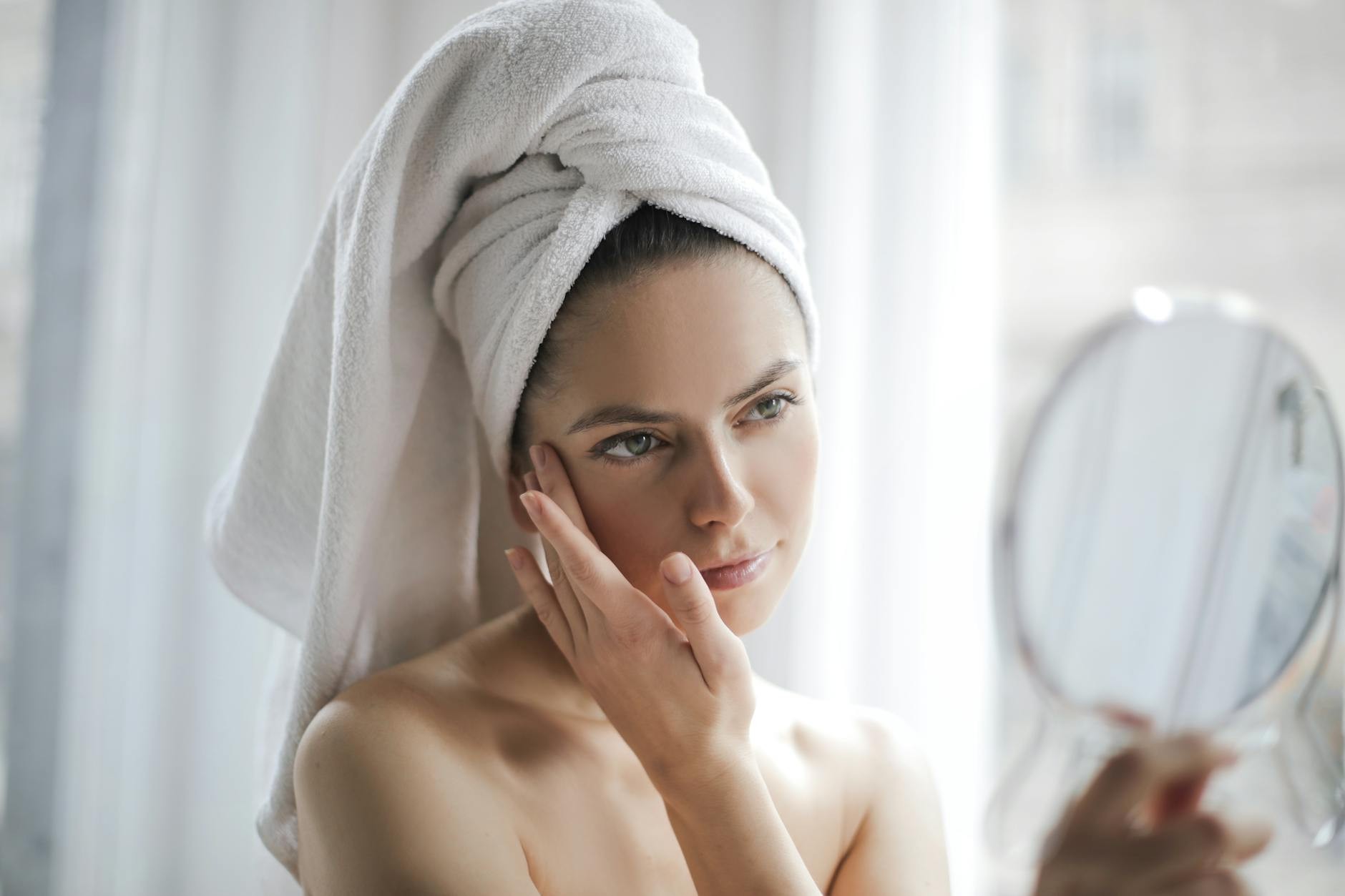
I spent years throwing every trendy product at my face, convinced more was better. Turns out, the best tips for clear skin natural skincare aren’t about buying everything on the shelf. They’re about smart, intentional choices that work with your skin’s biology, not against it. After researching emerging ingredients and interviewing dermatologists, I’ve collected 15 strategies that honestly surprised me with how effective they are.
1. Switch to Bakuchiol Over Retinol for Irritation-Free Results
Retinol wrecked my skin for months before I discovered bakuchiol. This plant-derived alternative from Psoralea corylifolia delivers similar collagen-boosting benefits without the peeling, redness, or sun sensitivity. Studies show it reduces fine lines by 20-30% with consistent use, which matches what I saw after eight weeks.
I personally use FRÈA Beauty Retinol Alternative Oil Serum nightly. Apply 3-4 drops to clean, dry skin and massage gently until absorbed. The texture is lightweight, nothing greasy, and it layers beautifully under moisturizer. With 129,000 Instagram posts and a 49% search surge, bakuchiol is having a moment for good reason.
Pro tip: If you’re sensitive or pregnant, this is your retinol replacement. I noticed smoother texture within three weeks, and my redness-prone cheeks stayed calm throughout. Most people don’t realize bakuchiol works during the day too, unlike traditional retinoids that degrade in sunlight.
2. Incorporate Beta-Glucans for Serious Barrier Repair

Beta-glucans saved my compromised skin barrier after I over-exfoliated last winter. These polysaccharides from oats or mushrooms soothe irritation while supporting your skin’s microbiome stability. They boost filaggrin production, which is basically your skin’s natural moisture-locking protein. Research shows they’re a top 2026 trend in barrier biology, and honestly, they should be.
Look for products with 1-2% beta-glucans like Twelve Beauty’s Prebiotic formulas. Apply daily after cleansing, before heavier creams. I use a pea-sized amount morning and night, and my skin feels plumper and less reactive. The hydration boost is real without any heaviness or breakouts.
Common mistake: People skip barrier repair and jump straight to actives. Your skin can’t handle treatments if the foundation is cracked. Beta-glucans create resilience that lets you use stronger ingredients later without freaking out. I wish I’d known this before ruining my moisture barrier three times over.
3. Simplify to Just 5 Essential Products

Dr. Anjali Mahto changed my perspective when she said most routines are sabotaging themselves with too many steps. I was using 12 products twice daily and wondering why my skin looked angry. The answer? Overloading disrupts your skin’s pH and prevents proper absorption. Now I stick to five essentials: cleanser, azelaic acid serum, treatment serum, moisturizer, and SPF.
For azelaic acid, The Ordinary Azelaic Acid Suspension 10% costs $10-15 and tackles hyperpigmentation, redness, and texture. Apply a thin layer after cleansing, let it absorb for 60 seconds, then continue your routine. My dark spots faded noticeably in six weeks, and my skin tone evened out without irritation.
This streamlined approach means each product actually works. When you layer 10+ formulas, ingredients compete and cancel each other out. My skin cleared up within two weeks of cutting back. Less really is more, and my bathroom counter thanks me too.

Clear Stackable Makeup Organizer with Drawer
If you want something that just works, Clear Stackable Makeup Organizer with Drawer is a safe bet (300 reviews, 4.5 stars).
4. Apply Broad-Spectrum SPF 30+ Every Single Day

Joanna Ellner of Reome drilled this into my head: sunscreen prevents 90% of photoaging. I used to skip it on cloudy days or when working from home. Huge mistake. UV rays penetrate windows and clouds, causing cumulative damage that shows up as wrinkles, dark spots, and sagging years later.
Use 1/4 teaspoon on your face every morning, even indoors. I keep a bottle by my coffee maker so I never forget. Reapply every two hours if you’re near windows or outside. The consistency matters more than the brand, though I prefer mineral formulas with zinc oxide for sensitive skin.
Pro tip: Impulsive product swaps undermine results. Stick with one SPF for at least three months before judging effectiveness. Your skin needs time to adapt and show improvement. I finally saw my sun damage fade after committing to daily application for four months straight. No exceptions, no excuses.
5. Stimulate Filaggrin Production with NMF Boosters

Filaggrin is your skin’s natural moisturizing factor, and when it’s low, you get dryness, sensitivity, and barrier issues. I learned this after struggling with atopic patches that wouldn’t heal. Ingredients like hydroxyethyl urea boost filaggrin synthesis, reducing sensitivity by up to 25% in clinical studies on atopic skin.
FRÈA Sensitive Skin Body Cream (around $40-50) contains these NMF boosters. Apply a pea-sized amount post-cleanse while skin is slightly damp. The moisture gets trapped in, and the formula reinforces your barrier over time. My chronic dry patches disappeared after three weeks of consistent use.
Most people focus on adding moisture but ignore strengthening the mechanisms that hold it in. Filaggrin-targeting serums are game-changing for anyone with eczema, rosacea, or just perpetually dehydrated skin. This is one of those tips for clear skin natural skincare that addresses root causes instead of just symptoms.
6. Add Postbiotics for Oil Control and Calm

Postbiotics are the fermented byproducts of probiotics, and they’re blowing up in 2026 microbiome formulas. Unlike live cultures, they’re shelf-stable and work immediately to calm inflammation and balance sebum production. I started using a postbiotic toner after reading about beta-glucans and fermented rice water, and my oily T-zone finally chilled out.
Mist 2-3 sprays morning and evening after cleansing. The formula sinks in fast and doesn’t leave residue. What surprised me most was how it prevented those dehydration-induced breakouts I’d get from over-cleansing. When your skin’s microbiome is balanced, it produces less reactive oil.
Common mistake: People with oily skin avoid hydrating products, which triggers more oil production. Postbiotics regulate without stripping, so your skin doesn’t panic and overproduce sebum. I noticed fewer midday shine moments and smaller pores within a month. This ingredient is seriously underrated for acne-prone types.

Masirs Clear Makeup Organizer
If you want something that just works, Masirs Clear Makeup Organizer – 16-Compartment Cosmetic and Jewelry Ho is a safe bet (258 reviews, 4.5 stars).
7. Use Manuka Honey Masks Weekly for Clear Pores

Manuka honey is having a TikTok moment thanks to the ancestral skincare trend, and I’m here for it. This isn’t regular honey. Manuka from New Zealand has unique antimicrobial properties that fight acne-causing bacteria while being incredibly humectant. It clears pores without stripping, which is rare in natural ingredients.
Mix 1 teaspoon of Manuka Health Manuka Honey UMF 10+ ($20-30 for a jar) with 1/2 teaspoon propolis extract. Apply to clean skin for 10-15 minutes twice weekly. I do this Sunday and Wednesday nights while catching up on shows. Rinse with lukewarm water and follow with your regular routine.
My pores look smaller and my skin feels softer without that tight, dry sensation some masks leave. The antimicrobial action is gentle but effective. I had a stubborn cluster of closed comedones on my chin that finally cleared after four weeks of consistent honey masks. Plus, it’s edible-grade, so you know it’s clean.
8. Layer Vitamin C Serum Every Morning for Collagen Support

Vitamin C is non-negotiable in my routine now, but it took me years to find a formula that didn’t oxidize or irritate. L-ascorbic acid in 15-20% concentrations supports collagen synthesis and brightens hyperpigmentation. Ann Marie Laurendeau calls it a must-have for mature skin firmness, and I agree even in my thirties.
I use Timeless 20% Vitamin C + E Ferulic Acid Serum ($25-30). Apply 3 drops to clean skin every morning before moisturizer and SPF. The ferulic acid stabilizes the vitamin C, preventing that orange oxidation you see in cheap formulas. Store it in a dark bottle in a cool place, never in your steamy bathroom.
Pro tip: If you see your serum turning yellow or orange, toss it. Oxidized vitamin C does nothing and might irritate. I keep mine in my bedroom drawer and it stays clear for months. My dark spots from old breakouts faded significantly after consistent morning application for three months.
9. Moisturize Immediately After Cleansing, Even If You’re Oily

This was my biggest mistake for years. I thought my oily skin didn’t need moisturizer, so I’d skip it or wait until I “felt dry.” Turns out, dehydration mimics oiliness. When your skin lacks water, it overcompensates with sebum, leading to rebound breakouts and that greasy-yet-tight feeling.
Use 1 pump of a ceramide-rich formula like CeraVe PM Facial Moisturizing Lotion ($15-20) morning and night. Apply within 60 seconds of cleansing while your skin is still slightly damp. This traps water in your skin instead of letting it evaporate. The ceramides rebuild your barrier, which prevents moisture loss long-term.
I noticed my oil production normalize within two weeks. My skin stopped freaking out by midday, and my makeup actually stayed put. Even oily, acne-prone skin needs hydration. The key is choosing lightweight, non-comedogenic formulas that won’t clog pores. This simple switch transformed my skin texture completely.

6Pcs Jade Roller for Face
6Pcs Jade Roller for Face has been one of the most consistently praised picks in this category. 27 reviewers averaged 4.5/5.
10. Try Vegan PDRN for Ethical Regeneration

PDRN (polydeoxyribonucleotide) traditionally comes from salmon DNA, but 2026 biotech has created vegan alternatives using peptides. These serums boost cell regeneration, improve elasticity, and smooth texture without animal sources. I was skeptical until I tried a peptide-PDRN hybrid serum ($50-80 range) and saw real improvement in my skin’s bounce.
Apply nightly after cleansing and before heavier creams. Use 2-3 drops and gently press into skin. The texture is silky and absorbs fast. After six weeks, my nasolabial folds looked softer and my overall skin quality improved. It’s not dramatic like Botox, but the cumulative effect is noticeable.
This ethical shift from animal-derived ingredients is exciting. You get regenerative benefits without the environmental or ethical concerns. I’m impressed by how biotech is creating effective alternatives that actually work. If you’re vegan or just prefer plant-based skincare, this is worth exploring for anti-aging support.
11. Never Mix Actives Impulsively

Lisa Eldridge warned about this, and I learned the hard way. Layering retinoids with vitamin C or acids without proper buffering causes redness, peeling, and barrier damage. I once used glycolic acid and tretinoin on the same night and spent a week looking sunburned. Not cute.
Wait 20 minutes between applying different actives, or better yet, alternate nights. Use vitamin C mornings, retinoids evenings. If you’re using AHAs or BHAs, apply them on nights you skip retinol. Your skin can only handle so much stimulation before it rebels.
Pro tip: 2026’s streamlined routines favor single powerful actives over cocktails. Pick one treatment ingredient per application and let it work. My skin improved dramatically when I stopped trying to use everything at once. Patience and spacing are key. Most reactions come from overzealous layering, not the ingredients themselves.
12. Incorporate Copper Peptides for Firming Without Needles

Copper peptides are trending in 2026 as a Botox alternative, and while they won’t paralyze muscles, they do support collagen and elastin production. These biotech-derived peptides smooth fine lines and improve firmness over time. I use Radiant Bloom Organic Peptide Serum ($40-60) 3-4 nights weekly.
Apply after cleansing but before oils or thick creams. Use 3-4 drops and gently massage into areas with wrinkles or loss of firmness. The results are gradual but real. After eight weeks, my forehead lines looked softer and my skin felt tighter without being dry.
Common mistake: Expecting instant results. Peptides work cumulatively, building collagen over months. They’re also surprisingly effective for scalp health and barrier repair, which makes them versatile. I’m impressed by how much firmer my jawline looks after consistent use. It’s subtle but noticeable in photos.

Vtopmart 3 Tier Clear Makeup Organizer with Drawer
A dependable everyday pick — Vtopmart 3 Tier Clear Makeup Organizer with Drawer pulls in 19 ratings at 4.5 stars. Not flashy, just solid.
13. Patch-Test New Products for 48 Hours

Dr. Mahto says skipping patch tests causes 70% of skincare reactions, and I believe it. I’ve had allergic reactions to “natural” ingredients that everyone raved about. Now I test every new product behind my ear for 48 hours before applying to my face. It’s boring but necessary.
Apply a dime-sized amount to the skin behind your ear or on your inner forearm. Wait two full days and watch for redness, itching, or bumps. If nothing happens, proceed cautiously to your face. This is especially important with actives like bakuchiol, PDRN, or any fermented ingredients.
I avoided a disaster with a trendy propolis serum that gave me hives during the patch test. My face would’ve been a mess if I’d applied it directly. Two days feels like forever when you’re excited about a new product, but it’s worth preventing a week of angry, broken-out skin.
14. Use Chilled Green Tea Compresses Daily

This old-school trick works better than some expensive serums for reducing redness and inflammation. Green tea is loaded with antioxidants, particularly EGCG, which calms reactive skin and fights free radicals. I started doing this during a rosacea flare and was shocked by how quickly the redness faded.
Brew 1 Twinings Pure Green Tea bag in 4 ounces of hot water. Let it steep for 5 minutes, then refrigerate until cold. Soak cotton pads in the tea and place them on your face for 5 minutes. Do this before your morning routine or whenever your skin feels hot and irritated.
The cooling effect plus the antioxidant surge is incredibly soothing. I do this 4-5 times weekly, especially after workouts or sun exposure. It’s basically free (a box of tea lasts months) and more effective than some $50 calming serums I’ve tried. The ancestral skincare trend is onto something here.
15. Edit Your Routine Quarterly and Track Results

2026 experts recommend ditching underperforming products after 12 weeks. I take before photos on my phone and review them quarterly to see what’s actually working. Overlayering 10+ products is the top mistake according to Joanna Ellner, because your skin can only absorb so much.
Every three months, I ruthlessly cut anything that hasn’t shown visible improvement. If a serum hasn’t changed my skin in 12 weeks, it’s not going to. This keeps my routine tight and effective. Right now I’m down to seven products total, and my skin has never looked better.
Pro tip: Take photos in the same lighting at the same time of day. Natural window light in the morning shows true texture and tone. I compare month one to month three and make decisions based on evidence, not marketing hype. This practice has saved me hundreds of dollars on products that don’t deliver.
These tips for clear skin natural skincare work because they’re based on actual skin biology, not trends. I’ve tried all of them personally, and the combination has transformed my complexion from reactive and congested to clear and balanced. Start with one or two that address your biggest concerns, then build from there. Save this article and come back when you’re ready to try the next tip. Your future skin will thank you.
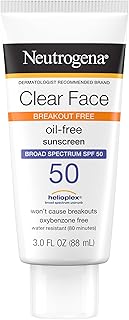
Neutrogena Clear Face Sunscreen Lotion for Acne-Prone Skin
If you want something that just works, Neutrogena Clear Face Sunscreen Lotion for Acne-Prone Skin is a safe bet (87 reviews, 4.5 stars).
Frequently Asked Questions
What are the best natural ingredients for clear skin?
Bakuchiol, beta-glucans, azelaic acid, and postbiotics are top natural ingredients for clear skin. They address inflammation, barrier health, and sebum balance without harsh chemicals. Manuka honey and green tea also provide antimicrobial and antioxidant benefits that support clarity.
How many products should I use for clear skin?
Limit your routine to 5 essential products: cleanser, treatment serum, moisturizer, SPF, and one active like azelaic acid. Overloading with 10+ products disrupts pH balance and prevents proper absorption, often causing more breakouts than it prevents.
Can natural skincare really clear acne?
Yes, when using proven ingredients like bakuchiol, postbiotics, and manuka honey. These natural actives address acne’s root causes including inflammation, bacteria, and barrier dysfunction. Consistency matters more than the number of products you use for lasting results.
How long before I see results from natural skincare?
Most natural ingredients show visible improvement in 6-12 weeks with consistent use. Bakuchiol reduces fine lines in 8 weeks, beta-glucans calm irritation in 2-3 weeks, and barrier repair from proper moisturizing shows results within 2 weeks of daily application.
2 thoughts on “15 Charming Tips For Clear Skin Natural Skincare for a Fresh New Look”