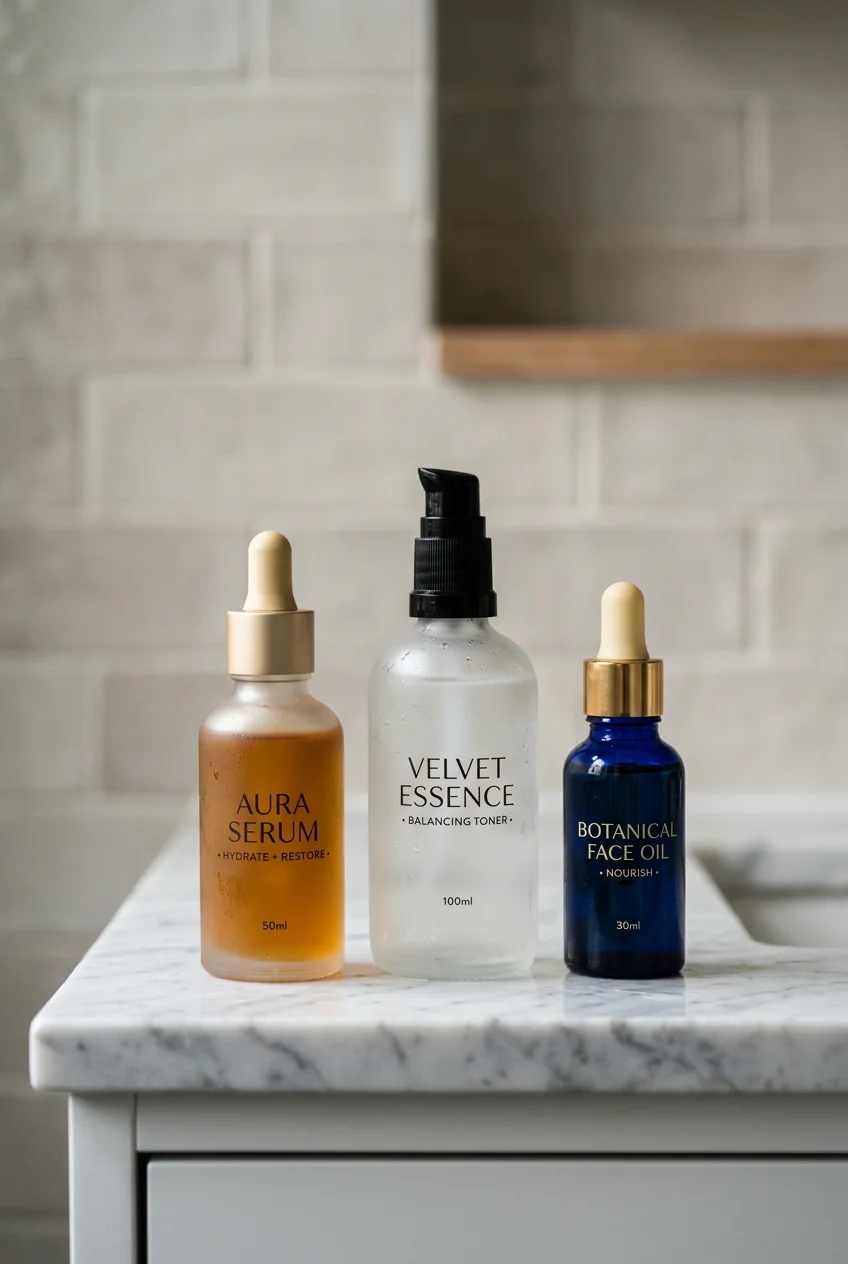
What’s Inside
- Start With Gentle Cleansing Skincare Products For Oily Skin
- Incorporate Salicylic Acid (BHA) for Deep Pore Exfoliation
- Embrace Niacinamide Serums for Oil Regulation
- Do Not Skip Moisturizer – Opt for Lightweight Gels
- Use Weekly Bentonite Clay Masks For Excess Sebum
- Select Oil-Free Sunscreens That Won’t Clog Pores
- Apply Retinoids at Night for Cell Turnover
- Add a Mattifying Primer Under Makeup
- Keep Blotting Papers Handy for Mid-Day Shine
- Hydrating Skincare Products For Oily Skin Include Hyaluronic Acid
Mid-July last year at a Target self-checkout, I caught my reflection in the security monitor. My forehead was shining so brightly under the harsh fluorescent lights that I looked like I’d just finished a marathon. Finding the right skincare products for oily skin feels like a constant battle against your own face. I spent most of my twenties using harsh apricot scrubs and alcohol-based toners that stripped my skin entirely. My face would feel tight, red, and irritated, and then somehow it produced even more oil an hour later. It took a lot of trial and error, a few embarrassing breakouts, and reading endless ingredient labels to figure out what actually balances sebum production. I’m sharing the specific routines, exact measurements, and actual items I use now. Skip the trendy drying lotions that smell like rubbing alcohol. You need ingredients that work with your skin barrier, not against it.
1. Start With Gentle Cleansing Skincare Products For Oily Skin

Washing your face seems straightforward. I used to grab whatever bar soap was sitting in the shower caddy, scrub my face until it felt tight and squeaky clean, and call it a day. That tight feeling is actually your skin barrier crying for help. When you strip all the natural oils away with harsh cleansers, your sebaceous glands panic. They start overproducing sebum to compensate for the dryness. By noon, my face would be completely shiny again. You need a cleanser that removes dirt without ruining your moisture barrier. The CeraVe Foaming Facial Cleanser costs $15.99 for a 12 oz pump bottle. It contains ceramides and niacinamide. The texture is a clear gel that turns into a very light, airy foam when you mix it with water. It doesn’t leave a film behind. I wash my face twice a day, morning and night, using exactly one full pump. If I’ve been sweating heavily, I’ll wash a third time. Another solid option is the La Roche-Posay Toleriane Purifying Foaming Cleanser, which runs about $17.99 for a 13.5 oz bottle. The La Roche-Posay version feels slightly creamier out of the bottle but still foams up nicely. Both of these come in large plastic bottles with pump dispensers that actually lock, which matters when you’re packing them in a gym bag. Skip anything that says ‘acne scrub’ with physical beads in it. Those just create micro-tears in your skin and introduce bacteria into your pores. Trust me on this.
2. Incorporate Salicylic Acid (BHA) for Deep Pore Exfoliation

I spent my early twenties scrubbing my face with gritty apricot shells, hoping to scrape the oil out of my pores. It left my skin red, inflamed, and completely raw. Physical exfoliation just irritates oily skin. You need chemical exfoliation to actually dissolve the sebum trapped inside your pores. Salicylic acid is a beta-hydroxy acid, meaning it’s oil-soluble. It can bypass the oil on the surface of your skin and get down into the pore lining to clear out dead skin cells. The Paula’s Choice 2% BHA Liquid Exfoliant costs $34.00 for a 4 oz bottle. The texture is literally like water. It has a slightly clinical, almost vinegar-like scent that fades quickly. I dispense about 1/2 teaspoon onto a cotton pad and swipe it across my T-zone every Tuesday and Thursday night. Don’t use it every single day right away. I tried doing that last year and ended up with dry, flaky patches around my nose. If you prefer a slightly different formula, the Farmacy Deep Sweep 2% BHA Pore Cleaning Toner is $30.00 for a 4 oz glass bottle. The Farmacy one feels slightly more hydrating and smells faintly of eucalyptus. I usually buy these at Sephora. The key with BHA is consistency. You won’t see results overnight. It usually takes about three weeks of consistent use before you notice your pores looking smaller and your midday shine decreasing. Just make sure you’re applying it to dry skin after cleansing.
3. Embrace Niacinamide Serums for Oil Regulation

Niacinamide is Vitamin B3. It helps regulate sebum production, minimizes the appearance of enlarged pores, and strengthens your skin barrier. I read about it online and immediately bought the strongest concentration I could find. I purchased the Paula’s Choice Clinical Niacinamide 20% Treatment for $52.00 for a tiny 0.67 oz bottle. I applied a full dropper to my face. The next morning, my cheeks were covered in red, irritated patches. I learned the hard way that a 20% concentration is way too strong for daily use, especially if your skin isn’t used to it. A 5% to 10% concentration is plenty effective for most people. Now, I use The Ordinary Niacinamide 10% + Zinc 1%. It costs $6.60 for a 1 oz glass dropper bottle. The texture is slightly viscous and a bit tacky before it dries down completely. I apply 3 drops to my fingertips and pat it into my skin every morning before moisturizer. Another good option is the Naturium Niacinamide Serum 12% Plus Zinc 2%, which is $16.00 for a 1 oz pump bottle. You can find Naturium at Target. The pump bottle is much less messy than the glass dropper from The Ordinary. The Naturium formula also feels a bit more elegant and layers better under makeup without pilling. Niacinamide won’t stop your skin from producing oil entirely, but it significantly slows down the process so you aren’t reaching for blotting papers by 10 AM. You might also like: 15 Brilliant Skincare Routine Ideas That Make a Real Difference

Yeamon Gua Sha Facial Tools and Face Roller Set
If you want something that just works, Yeamon Gua Sha Facial Tools and Face Roller Set is a safe bet (1 reviews, 4.5 stars).
4. Do Not Skip Moisturizer – Opt for Lightweight Gels

Most people get this wrong. I skipped moisturizer entirely until I was 24. I figured my face was already shiny, so adding a cream would just make things worse. This is a massive mistake. When you skip moisturizer, your skin gets dehydrated. Dehydrated skin panics and produces a massive amount of oil to protect itself. You just need to choose the right texture. Heavy creams formulated with shea butter or mineral oil will clog your pores. You need oil-free, non-comedogenic gel or gel-cream formulas. The Neutrogena Hydro Boost Water Gel costs $19.99 for a 1.7 oz jar. I buy it in the skincare aisle at Walmart. It has a translucent blue color and feels incredibly cooling when you apply it. It absorbs in about thirty seconds and leaves a matte, smooth finish. It does contain fragrance, which smells a bit like fresh laundry. If you have sensitive skin that reacts to fragrance, look for the Versed Dew Point Moisturizing Gel-Cream. It costs $14.99 for a 2 oz squeeze tube. The Versed formula has a slightly cloudy, jelly-like texture and contains aloe leaf juice and green tea extract. The squeeze tube is also much more hygienic than dipping your fingers into the Neutrogena jar every morning. I apply a dime-sized amount of gel moisturizer to my face and neck while my skin is still slightly damp from washing. It locks in the hydration without adding any heavy, greasy residue to my face. You might also like: 13 Aesthetic Korean Skincare That Actually Work
5. Use Weekly Bentonite Clay Masks For Excess Sebum

Clay masks are excellent for absorbing excess sebum, but they require careful handling. I bought a tub of Aztec Secret Indian Healing Clay at Whole Foods on a whim last summer. It costs $8.99 for a 1 lb plastic jar of dry bentonite clay powder. The instructions say you can mix it with water or apple cider vinegar. Mixing it with water creates a lumpy, useless paste. You have to use apple cider vinegar. I mix exactly 1 tablespoon of the clay powder with 1 tablespoon of apple cider vinegar in a small ceramic bowl. It fizzes up immediately and smells strongly like salad dressing. I apply a thick layer to my T-zone using an old makeup brush. Here is where I messed up the first time. I left it on for 30 minutes until it completely dried, cracked, and started flaking off onto my shirt. When I finally scrubbed it off, my face was bright red and throbbing for hours. You should only leave a clay mask on for about 10 to 15 minutes. Wash it off while it’s still slightly tacky in the center. If it cracks, you’ve left it on too long and it’s pulling moisture out of your skin. Another gentler option is the Innisfree Pore Clearing Clay Mask with Super Volcanic Clusters. It costs $16.00 for a 3.38 oz jar. It comes pre-mixed, feels creamy, and doesn’t dry down into a concrete shell on your face. You might also like: 15 Beautiful Aesthetic Vision Board Skincare to Inspire Your Next Project
6. Select Oil-Free Sunscreens That Won’t Clog Pores

I hated wearing sunscreen for years. Every formula I tried smelled like cheap coconuts, stung my eyes, and made my face feel like a greasy oil slick within twenty minutes. Finding a sunscreen that works with oily skin takes patience. You need an oil-free formula that won’t clog your pores. My dermatologist recommended the EltaMD UV Clear Broad-Spectrum SPF 46. It costs $41.00 for a 1.7 oz airless pump bottle. It contains niacinamide, lactic acid, and hyaluronic acid. The texture is a lightweight white lotion that rubs in completely clear without leaving a white cast. It doesn’t smell like anything, and it leaves a natural finish that isn’t overly shiny. The price tag is steep, though. If you want a more affordable option, the Trader Joe’s Daily Facial Sunscreen Broad Spectrum SPF 40 is a fantastic alternative. It costs $8.99 for a 1.7 oz tube. I grab a couple of boxes whenever I’m buying groceries there, though I’ve seen good mineral options at Sprouts too. The Trader Joe’s formula is a clear, silicone-based gel. It feels incredibly velvety on the skin, very similar to a makeup primer. It completely blurs the look of your pores and leaves a matte finish. I apply exactly 1/4 teaspoon of sunscreen to my face and neck every single morning as the final step in my routine. If you’re using chemical exfoliants like BHA, your skin is more sensitive to the sun, so you can’t skip this step.

medicube No Cast Just Glow Collagen Sunscreen | SPF 50
medicube No Cast Just Glow Collagen Sunscreen | SPF 50 Broad Spectrum has been one of the most consistently praised picks in this category. 861 reviewers averaged 4.5/5.
7. Apply Retinoids at Night for Cell Turnover

Retinoids speed up cell turnover, which helps prevent dead skin cells from clogging your pores and trapping oil. I started using Differin Adapalene Gel 0.1% Acne Treatment two years ago. It costs $14.99 for a 0.5 oz tube. Differin used to be available only by prescription, but now you can buy it over the counter. The texture is a cloudy white gel that spreads very easily. You only need a pea-sized amount for your entire face. I applied this to damp skin right after washing my face last winter. That was a huge mistake. Applying retinoids to wet skin increases their absorption rate, which leads to severe irritation. My face stung for two days. You have to wait until your skin is completely dry. I wash my face, wait ten minutes, apply the Differin, wait another ten minutes, and then apply my moisturizer. This is called the sandwich method, and it helps buffer the irritation. If Differin sounds too intense, the CeraVe Resurfacing Retinol Serum is a gentler starting point. It costs $17.99 for a 1 oz pump bottle. It contains encapsulated retinol, licorice root extract, and ceramides. The CeraVe formula feels more like a lightweight lotion and is much less likely to cause peeling or redness. I buy my retinoids at Target or Walgreens. I only use them at night, because sunlight degrades the active ingredients and makes them less effective.
8. Add a Mattifying Primer Under Makeup

If you wear makeup, a mattifying primer acts as a barrier between your oily skin and your foundation. Without a primer, the oil on my nose breaks down my foundation by lunchtime, leaving patchy, bare spots. I found the E.l.f. Liquid Poreless Putty Primer in the beauty aisle at Kroger when I needed something quick before a dinner event. It costs $10.00 for a 0.94 oz tube. The liquid version is much easier to work with than the original putty in the jar. It has a lightweight, siliconey texture that glides over your skin and fills in enlarged pores. It creates a smooth, matte canvas. I apply a small drop, about the size of a lentil, strictly to my T-zone. I don’t apply it all over my face, because my cheeks don’t need the extra oil control. If you prefer a higher-end option, the Smashbox Photo Finish Control Mattifying Primer costs $42.00 for a 1 oz tube. The Smashbox formula contains salicylic acid and zinc, which actively work to control oil production while you wear it. The E.l.f. primer is purely cosmetic, while the Smashbox one provides some skincare benefits. Either way, you have to let the primer sit and dry down for at least two minutes before you apply your foundation. I wait exactly two minutes, usually while brushing my teeth, to ensure the primer sets. If you rush it and apply foundation immediately, the primer and foundation will mix together into a muddy texture and slide right off your face within an hour.
9. Keep Blotting Papers Handy for Mid-Day Shine

Even with a perfect skincare routine, you might still experience a little bit of shine by the late afternoon. This is completely normal. Your skin is a living organ, not a piece of plastic. I used to aggressively reapply pressed powder over my oily spots throughout the day. The powder would mix with the sebum and create a thick, cakey layer that looked terrible up close. Blotting papers are a much better solution. I bought a massive bulk pack of Clean & Clear Oil Absorbing Sheets at Costco three years ago, and I keep a pack in my purse, my car, and my desk drawer. A standard single pack costs $6.49 for 50 sheets at most drugstores. They have a blue, slightly rubbery texture. You just press a sheet gently against your oily areas. Don’t rub or wipe, or you’ll take your makeup off. You just press and lift. There is something incredibly satisfying about seeing the blue paper turn completely transparent as it pulls the oil off your face. If you want something a bit more aesthetic, the Fenty Beauty Invisimatte Blotting Paper costs $16.00. It comes in a small, refillable mirrored compact that looks like a lipstick tube. The paper comes on a continuous roll, so you can tear off exactly the size you need. It’s more expensive, but the packaging is much more durable than the flimsy cardboard envelope the Clean & Clear sheets come in. No exaggeration.
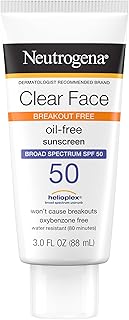
Neutrogena Clear Face Sunscreen Lotion for Acne-Prone Skin
Neutrogena Clear Face Sunscreen Lotion for Acne-Prone Skin punches above its price — 88 buyers rated it 4.5 stars. I would buy it again.
10. Hydrating Skincare Products For Oily Skin Include Hyaluronic Acid

It sounds counterintuitive to add a hydrating serum to an already oily face. For a long time, I avoided anything with the word ‘acid’ unless it was meant for exfoliation. But hyaluronic acid is a humectant, meaning it draws water into your skin. Oily skin is very often dehydrated skin. When your skin lacks water, it overcompensates by producing more oil. Adding water back into the skin can actually reduce your oil production. The Good Molecules Hyaluronic Acid Serum costs $6.00 for a 1 oz glass bottle. It has a slightly slippery, water-like texture. I dispense exactly 3 drops into my palms and pat it onto my face while my skin is still very damp from cleansing. If you apply hyaluronic acid to dry skin, it can actually pull moisture out of the deeper layers of your face, making dehydration worse. You have to apply it to damp skin and immediately seal it in with your gel moisturizer. Another great option is The Inkey List Hyaluronic Acid Serum, which costs $9.99 for a 1 oz plastic bottle. I prefer the plastic bottle because I drop things constantly in my bathroom. You can find The Inkey List at Sephora, but I actually buy my Good Molecules serum at Ulta. Adding this simple, cheap hydration step completely stopped my forehead from getting that tight, shiny look by mid-afternoon. It plumps up the skin without adding a single drop of heavy oil, making it one of the most effective skincare products for oily skin if you use it correctly.
Figuring out the right routine takes time, but you don’t need to buy every single item on this list at once. Start by swapping out your harsh cleanser for a gentle foaming one, and make sure you’re using a gel moisturizer every single day. Once your skin barrier heals, you can slowly introduce a BHA exfoliant or a niacinamide serum. I’ve learned that treating oily skin requires a gentle touch, not a scorched-earth policy. Stop fighting your face with drying alcohols and aggressive scrubs. If you found this breakdown helpful, save this post or pin it to your Pinterest skincare boards for your next Target run. You’ll want to reference these exact product names, measurements, and prices when you’re standing in the beauty aisle trying to read tiny ingredient labels.
Frequently Asked Questions
How often should I wash my oily face?
You should wash your face twice a day, morning and night, using a gentle foaming cleanser. You also need to wash immediately after heavy sweating. Washing more frequently than this strips your moisture barrier and triggers even more oil production.
Does oily skin actually need a daily moisturizer?
Yes. Skipping moisturizer dehydrates your skin, causing your sebaceous glands to overproduce oil to compensate. You just need to choose an oil-free, non-comedogenic gel or gel-cream formula that hydrates without leaving a heavy, greasy residue behind.
What is the best exfoliating ingredient for oily skin?
Salicylic acid, which is a beta-hydroxy acid (BHA), is the most effective exfoliant. Because it’s oil-soluble, it penetrates through the surface sebum and gets deep into your pores to dissolve dead skin cells and prevent clogs.
Can I use niacinamide and BHA in the same routine?
Yes, but you shouldn’t apply them at the exact same time if your skin is sensitive. I apply my niacinamide serum every morning and use my BHA liquid exfoliant two to three nights a week to avoid irritation.
