What’s Inside
- Prioritize Barrier Health for the Ultimate Skincare Routine
- Master the Two-Finger Sunscreen Rule
- Don’t Skip Sunscreen Indoors or on Cloudy Days
- Embrace Gentle Exfoliation and Cold Therapy
- Apply Serums Sparingly (A Pea-Sized Amount is Plenty)
- Introduce Retinol Gradually and Gently
- Incorporate a Stable Vitamin C Serum
- Explore Microbiome-Focused Trends
- Clean Your Skincare Tools and Pillowcases
- Don’t Neglect Your Neck and Hands
Last Tuesday night at Target, I caught my reflection in the harsh fluorescent lighting of the beauty aisle and audibly gasped. I had a crusty, peeling red patch the size of a quarter on my left cheek. It completely ruined the skincare vibe I’m usually trying to maintain.
The skincare thing isn’t just about lining up pretty pastel glass bottles on a marble bathroom counter for a quick photo. It’s about actually taking care of your skin barrier without burning your face off. I’ve made literally every mistake in the book. Like that time I bought a random apricot scrub at Walmart and scrubbed my forehead until I bled. I thought the burning meant it’s working. It wasn’t. It just meant I was destroying my face. Learned that the hard way.
I’m sharing my exact routine with you now, complete with the specific measurements and products that actually work. I’m tired of seeing people waste money on useless fluff. Let’s fix this mess together. I’ll walk you through exactly what I use, how much I apply, and the exact mistakes you need to avoid.
1. Prioritize Barrier Health for the Ultimate Skincare Routine

In 2026, the focus is shifting away from aggressive, burning acid treatments to long-term skin health and a resilient, bouncy skin barrier. Honestly, I used to think if my skin wasn’t stinging, the product wasn’t doing its job. I was so wrong. You need to incorporate products rich in ceramides, panthenol, and niacinamide to fortify your skin’s protective layer.
A genuinely great option is the La Roche-Posay Lipikar AP+M Triple Repair Moisturizer Cream. It costs exactly $19.99 for a massive 13.5 oz pump bottle. It contains ceramides, shea butter, glycerin, and niacinamide to instantly calm angry skin. The texture is thick and slightly sticky at first, but it melts right into your pores after about three minutes. It smells like nothing, just a faint, clean pharmacy scent. I bought my last bottle while wandering the aisles at Whole Foods looking for oat milk.
For a serum step, you can’t beat the Cocokind Ceramide Serum. It runs $22.00 for a 1 oz dropper bottle. It features a blend of five different ceramides, squalane, and a tiny bit of lactic acid. It maintains barrier function and reduces irritation beautifully. I use exactly 1 dime-sized dollop for my entire face. If you apply too much, it pills up under makeup like little white erasers. Don’t do that. Just use a thin layer and let it dry completely.
2. Master the Two-Finger Sunscreen Rule

Most people apply far too little sunscreen, killing its SPF protection. I used to apply a tiny, pea-sized dot of SPF, rub it vigorously into my palms, and pat it on my cheeks. I ended up with a horrible sunburn on my nose during a cloudy day at the park. Dermatologists highly advise using a broad-spectrum SPF 30 or higher daily. You need to master the two-finger rule.
For your face and neck, apply a generous amount equivalent to two full finger-lengths. That equals exactly 1/4 teaspoon of product. It looks like an insane amount of cream when you squeeze it out. I personally swear by the Trader Joe’s Daily Facial Sunscreen SPF 40. It costs $8.99 for a 1.7 oz tube. The texture is completely clear, silicone-y, and velvety. It feels exactly like a high-end makeup primer. It has absolutely no white cast, which is rare for something so cheap. I usually grab three tubes whenever I’m at Trader Joe’s because they sell out constantly.
A major mistake is trying to rub all 1/4 teaspoon in at once. It’ll just slide around your face in a greasy, unblendable layer. Apply one finger-length, let it sink in for exactly sixty seconds, and then apply the second finger-length. It makes a massive difference in how it sits under your daily concealer. Plus, it prevents that awful pilling effect where the sunscreen rolls off in tiny white flakes.
3. Don’t Skip Sunscreen Indoors or on Cloudy Days

A very common mistake is believing sunscreen is only for sunny outdoor activities or beach days. Blue light from your laptop screen and UVA rays penetrating your living room windows actively contribute to dark pigmentation and premature aging. I learned this the hard way after working from home for two years straight at a desk right next to a giant window. I developed a cluster of dark sunspots on the left side of my jawline.
Now, I reapply a broad-spectrum SPF 50 religiously. I use the EltaMD UV Clear Broad-Spectrum SPF 46. It costs exactly $39.00 for a 1.7 oz airless pump bottle. I usually hunt for it online, but last month I actually found a rare three-pack of a similar mineral SPF while bulk shopping at Costco. The EltaMD formula is incredibly lightweight and contains a high dose of niacinamide to actively reduce redness and inflammation. You might also like: 15 Gorgeous Aesthetic Glass Skin That Changed Everything
You need to reapply it every 2-3 hours if you’re sitting near windows or staring at bright screens all day long. I keep a bottle sitting right next to my mechanical keyboard so I won’t forget. The pump dispenses the perfect 1/8 teaspoon amount per firm press. Two full pumps cover my entire face perfectly. It won’t break you out, and it doesn’t smell like that classic, gross coconut beach sunscreen that gives me a headache. It smells faintly of clean plastic, which fades instantly upon application. You might also like: 15 Charming Tips For Clear Skin Natural Skincare for a Fresh New Look
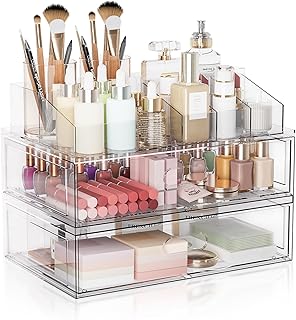
Clear Stackable Makeup Organizer with Drawer
A dependable everyday pick — Clear Stackable Makeup Organizer with Drawer pulls in 306 ratings at 4.5 stars. Not flashy, just solid.
4. Embrace Gentle Exfoliation and Cold Therapy

While exfoliation is crucial for clearing dead skin, over-exfoliating with harsh ingredients is a major mistake. It completely compromises the skin barrier, leading to tight redness, severe sensitivity, and cystic breakouts. Experts recommend exfoliating only 2-3 times per week max. For sensitive skin, you need to opt for PHAs (Polyhydroxy Acids) over aggressive AHAs or BHAs. You might also like: 15 Creative Photography Skincare Products Ideas That Make a Real Difference
I use The INKEY List PHA Toner. It costs $12.99 for a 3.4 oz bottle. I pour exactly 1/2 teaspoon onto a flat cotton pad and swipe it gently across my T-zone. I buy my premium cotton pads at Kroger because they don’t leave annoying white fuzzies all over my eyebrows. To pair with this gentle approach, you should lean into cold therapy for instant de-puffing and pore refinement.
It’s a surprising trick that works wonders. Cold therapy constricts blood vessels, reduces morning inflammation, and decreases under-eye puffiness. I use a basic pink ice roller I found for $9.99 at Target. I keep it in my freezer next to the frozen waffles. On mornings when I look exceptionally exhausted, I fill a large glass bowl with exactly 2 cups of ice and 4 cups of cold tap water. I dunk my face in for ten-second intervals, repeating it three times. It violently shocks you awake and instantly tightens everything up. The redness from my pillow goes away immediately, and my pores look practically invisible for the rest of the morning. It’s completely free and works better than expensive depuffing masks.
5. Apply Serums Sparingly (A Pea-Sized Amount is Plenty)

Serums are highly concentrated liquids, and using too much is a very common error. It wastes extremely expensive product and can severely irritate your skin. I used to slather on half a dropper of strong acid serum every night, thinking more meant faster results. My face felt like it was on fire, and my skin peeled for days. Trust me on this.
For most serums, 1-2 pumps or exactly 2-3 drops is completely sufficient for the entire face. That is roughly a pea-sized amount. You need to hydrate deeply with multi-molecular hyaluronic acid. Dry skin actually lacks both oil and water. Hydrating serums with different molecular weights of hyaluronic acid can penetrate deeper and provide intense surface hydration.
If you have the budget, the SkinCeuticals Hydrating B5 Gel is incredible. It costs $86.00 for a 1 oz glass dropper bottle. It combines high-concentration hyaluronic acid with Vitamin B5 for intense repair. The texture is like thick water, and it smells faintly medicinal. For a much more budget-friendly option, I love The INKEY List Hyaluronic Acid Serum. It costs just $9.99 for a 1 oz plastic bottle. It’s highly effective and layers beautifully under heavy creams. Always apply your hyaluronic acid to freshly cleansed, damp skin. Then, allow exactly 15 seconds for it to absorb before locking it in with a thick moisturizer so the water doesn’t evaporate.
6. Introduce Retinol Gradually and Gently

Retinol is the gold standard for anti-aging and texture, but starting with too high a concentration is a massive disaster. It causes severe irritation, aggressive redness, and flaky peeling. I tried a 1% clinical strength retinol straight out of the gate last year. My chin peeled so badly it looked like I had a weird skin disease.
You must begin with a low-strength, encapsulated retinol formula. Use it only 1-2 times a week at night. The Cocokind Beginner Retinol Gel is an excellent, incredibly gentle option for first-timers. It has a 0.1% concentration and costs $22.99 for a 1 oz tube. I picked mine up at Sprouts while grabbing fresh produce. The texture is a cloudy, soothing gel that feels cooling on contact.
If you want something with a smarter delivery system, the industry is currently refining classic actives. Look for next-generation delivery systems like encapsulation to maximize potency and reduce irritation. The Elizabeth Arden Retinol + HPR Ceramide Capsules are brilliant. They cost $54.00 for a jar of 30 tiny pink capsules. They offer a gentle retinoid mixed with soothing ceramides in single-dose capsules. You twist off the little nub and squeeze out exactly the right amount. It completely eliminates the guesswork and prevents you from burning your face off by applying too much.

Vtopmart 3 Tier Clear Makeup Organizer with Drawer
Vtopmart 3 Tier Clear Makeup Organizer with Drawer punches above its price — 2 buyers rated it 4.5 stars. I would buy it again.
7. Incorporate a Stable Vitamin C Serum

Vitamin C is vital for antioxidant protection and brightening up dull, gray skin. You need to look for stable forms like L-ascorbic acid mixed with ferulic acid and vitamin E. This specific combination enhances both efficacy and shelf stability. The absolute gold standard recommended by every dermatologist is the SkinCeuticals C E Ferulic serum.
It costs a staggering $169.00 for a 1 fl oz bottle. I finally caved and bought it last year. I must admit, the smell is atrocious. It smells exactly like hot dog water mixed with old pennies. But it fades after two minutes, and the glowing results are undeniable. For a much more accessible and affordable option, the L’Oréal Paris Revitalift 12% Pure Vitamin C Serum is fantastic.
It costs $25.99 for a 1 oz bottle. I bought mine at Walmart in the skincare aisle. It is incredibly effective and surprisingly gentle for first-time users. The texture is silky and it has a much more pleasant, slightly citrus scent. I apply exactly 3 drops to my fingertips every single morning before my moisturizer. A huge mistake is leaving your Vitamin C bottle unscrewed or sitting out in direct sunlight on your bathroom counter. It will rapidly oxidize, turn a nasty dark orange color, and become completely useless. Once it turns orange, you’re just rubbing sticky, ineffective water on your face. Keep it tightly sealed in a dark drawer or even store it in your kitchen fridge to massively extend its shelf life.
8. Explore Microbiome-Focused Trends

The skin’s invisible microbiome plays a surprisingly crucial role in overall barrier health. A massive trend right now is focusing heavily on this delicate ecosystem. You can expect to see tons of new products targeting this area, including postbiotics, to nurture and balance your skin flora. I didn’t understand this until I destroyed my own microbiome with harsh acne washes.
My skin became incredibly oily but felt tight and dry underneath. It was a nightmare. I was browsing the aisles at Whole Foods for probiotic yogurt when I realized my face probably needed the exact same kind of bacterial support. You need to look for ingredients like prebiotics and postbiotics to support a healthy skin flora.
I highly recommend the Beekman 1802 Milk Drops Probiotic Ceramide Serum. It costs $39.00 for a 0.95 oz glass bottle. It uses goat milk and probiotic extracts to calm angry, inflamed skin. The texture is milky, thin, and intensely hydrating. It smells slightly sweet, almost like vanilla and warm milk. I apply exactly 1/4 dropper to my cheeks when they feel tight or look flushed. It instantly soothes the heat and brings my skin back to a normal, healthy baseline. Skipping microbiome support is a mistake you won’t realize you’re making until your skin completely freaks out.
9. Clean Your Skincare Tools and Pillowcases

Dirty makeup brushes, damp beauty sponges, and unwashed pillowcases harbor disgusting amounts of bacteria, stale oil, and dead skin cells. This directly leads to stubborn breakouts and mysterious irritation along your jawline. I used to sleep on the same cotton pillowcase for two weeks straight. I couldn’t figure out why I had persistent acne on my left cheek.
Then I noticed a faint, gross yellow oil stain on the fabric. I was literally rubbing my clean face into old sweat every night. You must wash your makeup brushes weekly. I use exactly 1 tablespoon of blue Dawn dish soap mixed with warm water in a mug. It cuts through the grease better than any expensive brush cleanser. You also need to change your pillowcases every three days minimum.
I bought a bulk pack of silk pillowcases at Costco for $29.99. It came with two king-sized cases. The silk prevents friction, which stops premature wrinkles, and it doesn’t absorb your expensive night creams like cotton does. Another emerging trend is the use of tech to enhance routines. Seeking out brands offering digital skin analysis can help personalize your product choices. It moves you away from generic routines that clearly aren’t working for your specific clogged pores. Stop guessing and start cleaning your environment.

COSRX Vitamin E Vitalizing Sunscreen,SPF 50 Face Sunscreen
COSRX Vitamin E Vitalizing Sunscreen punches above its price — 42 buyers rated it 4.5 stars. I would buy it again.
10. Don’t Neglect Your Neck and Hands

Your neck and the backs of your hands often show the very first signs of aging, but they are frequently completely overlooked in daily skincare routines. I realized this when I looked at a photo of myself and noticed my face looked bright and smooth, but my neck looked crepey and dull. It was a harsh wake-up call. Took me years to figure out.
You must extend your facial skincare, including expensive serums, heavy moisturizers, and especially your daily sunscreen, all the way down to your neck and décolletage. I personally use the Gold Bond Age Renew Neck & Chest Firming Cream. It costs $11.99 for a 2 oz tube. I grabbed it on a whim at Kroger. I apply exactly 1/2 teaspoon to my neck using upward sweeping motions every single night. The texture is thick, velvety, and smells faintly of generic floral lotion.
You also need to apply a dedicated hand cream with SPF daily. Skincare is evolving to align with the body’s natural rhythms. You should embrace products that support your circadian rhythm. Look for night formulations containing melatonin analogues and timed-release antioxidants. These specific ingredients actively support deep cellular repair during the night while you sleep, and switch to defense mode during the day. Don’t let your neck give away your age when you’re working so hard on your face.
Honestly, building a solid routine doesn’t require spending a thousand dollars or having a degree in chemistry. It just requires consistency, gentle products, and avoiding the stupid mistakes I’ve already made for you. Skip the fat-free stuff when it comes to moisturizers. Your skin desperately needs those rich lipids and ceramides to thrive. If you take away anything from this, let it be the two-finger sunscreen rule and the absolute necessity of treating your skin barrier with respect. Stop scrubbing your face with harsh physical exfoliants. Your skin isn’t a dirty frying pan. I’ve completely fixed my skin texture just by backing off the acids and focusing on deep hydration. Pin this article to your beauty board so you can reference the exact measurements and product names next time you’re standing confused in the Target skincare aisle. You’ve got this.
Frequently Asked Questions
What exactly is the doing skincare aesthetic?
It’s focusing on long-term skin barrier health and gentle hydration rather than aggressive, burning treatments. It involves using specific measurements of ceramides, gentle exfoliants, and daily SPF to achieve a naturally bouncy, glowing complexion without irritation.
How much sunscreen do I actually need to use?
You need to master the two-finger rule. Apply exactly 1/4 teaspoon, or two full finger-lengths, of a broad-spectrum SPF 30 or higher to your face and neck every single day, even if you’re indoors.
Can I use a retinol serum every single night?
No, that’s a massive mistake. You must introduce retinol gradually. Start with a low-strength 0.1% encapsulated formula just 1-2 times a week at night to prevent aggressive redness, peeling, and barrier damage.
Why is my vitamin C serum turning dark orange?
Your serum is oxidizing due to light and air exposure. Once it turns orange, it’s completely useless. Keep your vitamin C tightly sealed in a dark drawer or your kitchen fridge to maintain its potency.
