
What’s Inside
- Prioritize Daily Sunscreen, Even Indoors
- Embrace Gentle, Sulphate-Free Cleansing
- Don’t Skip Moisturizer, Even for Oily Skin
- Incorporate Niacinamide for Multiple Concerns
- Discover the Power of Kumkumadi Oil for Radiance
- Utilize Multani Mitti (Fuller’s Earth) Strategically
- Embrace Trending 2026 Ingredients for Barrier Repair
- Double Cleanse to Combat Pollution
- Adjust Skincare Routines Seasonally
- Avoid Harmful DIY Home Remedies
- Layer Products from Thinnest to Thickest
- Don’t Underestimate the Power of Rose Water as a Toner
- Consider Peptides for Anti-Aging in 2026
- Patch Test All New Products
- Himalaya Purifying Neem Face Wash for Acne-Prone Skin
Last Tuesday at Whole Foods, I caught my reflection in the frozen foods aisle glass and realized my face looked like a wet oil slick. I was testing heavy European ceramide creams at the time, completely ignoring how my skin actually behaves in humidity. That specific failure is what pushed me to start researching Indian skincare products. These formulas are built for intense heat, high humidity, and stubborn pigmentation, which makes them incredibly effective if you struggle with an oily T-zone or dark spots. I’ve spent the last six months systematically testing these routines to figure out what actually works and what just ruins your skin barrier.
Most western routines focus heavily on harsh acids and thick occlusives. When you shift to an Indian-inspired routine, the focus moves toward barrier protection, lightweight hydration, and targeted botanical ingredients. I’m going to walk you through the exact products, measurements, and application methods you need. I’ve included the mistakes I made along the way so you don’t have to repeat them. No exaggeration.
1. Prioritize Daily Sunscreen, Even Indoors

Most people think sunscreen is only for the beach. I used to skip it entirely on cloudy days or when I worked from home. That’s a massive mistake. UV rays and blue light from your laptop screen penetrate right through the windows, causing slow, invisible damage to your skin barrier. Dermatologists consistently recommend using a broad-spectrum sunscreen with SPF 30 to 50 every single day. If you have oily skin, thick western sunscreens feel like spreading cold butter on your face.
Instead, you need a gel-based formula. I use the La Shield Fisico SPF 50+ Sunscreen. A 50g tube costs around ₹800 to ₹1000. It’s got a lightweight, matte texture that leaves zero white cast. The gel is slightly beige out of the tube but disappears into the skin within seconds. You have to reapply it every three to four hours for consistent protection. The tube’s small enough that I keep a spare one in my bag. The formula doesn’t pill when I layer it over my morning moisturizer, which is the main reason I keep buying it.
2. Embrace Gentle, Sulphate-Free Cleansing

Over-cleansing is the fastest way to ruin your skin barrier. I learned that the hard way. Last year, I was washing my face three to five times a day because my T-zone felt greasy. All I did was strip my natural oils, which triggered my skin to panic and produce even more oil. It was an endless cycle of dryness, irritation, and cystic acne along my jawline. You only need to cleanse your face twice daily. Morning and night. That’s it.
You also need to switch to a gentle, sulphate-free cleanser immediately. The foaming cleansers that leave your skin feeling tight and squeaky clean are actually damaging your acid mantle. I switched to the Cetaphil Gentle Skin Cleanser. A 125ml bottle runs about ₹300 to ₹500. It’s a soap-free, dermatologist-recommended formula that feels like a thin lotion. It doesn’t lather at all. The lack of bubbles confused me at first, but it cleans effectively without stripping moisture. It’s particularly well-suited for sensitive and acne-prone Indian skin facing heavy urban pollution.
3. Don’t Skip Moisturizer, Even for Oily Skin

There’s a persistent myth that oily skin doesn’t need moisturizer. I used to believe this completely. I figured my face was already producing enough oil, so adding a cream would just cause breakouts. Skipping moisturizer actually forces your sebaceous glands into overdrive. Your skin gets dehydrated, panics, and pumps out excess sebum to compensate. You end up greasier than before.
The trick isn’t skipping hydration. It’s choosing the right texture. You need a lightweight, gel-based moisturizer to balance the skin without clogging pores. The Sebamed Clear Face Care Gel is exactly what you want for this step. A 50ml tube costs around ₹500 to ₹700. It provides essential hydration using hyaluronic acid and aloe vera, but it contains absolutely no oils or emulsifiers. The texture is a completely clear, watery gel that sinks into the skin in about ten seconds. It leaves a slightly tacky finish for a minute before drying down completely matte. I apply a dime-sized amount right after I wash my face while my skin’s still slightly damp.
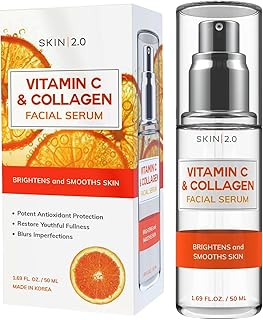
Skin 2.0 Vitamin C Serum – Dermatologist Tested
Honestly, Skin 2.0 Vitamin C Serum – Dermatologist Tested surprised me — sturdier than it looks in the photos, and over 45 buyers gave it 4.5 stars.
4. Incorporate Niacinamide for Multiple Concerns

Niacinamide, or Vitamin B3, remains a top trending ingredient in 2026 for its versatility. It controls oil, reduces post-acne marks, and smooths skin texture. When researching Indian skincare products, you’ll see this ingredient everywhere because it specifically targets the hyperpigmentation that melanin-rich skin is prone to developing after a breakout.
For an effective treatment, I use the Minimalist 10% Niacinamide Face Serum. A 30ml bottle is priced around ₹500 to ₹600. It addresses enlarged pores and uneven skin tone without the irritation you get from harsh acids. I apply three drops to my face every morning before my moisturizer. The liquid is slightly viscous and clear. One annoying thing is that the dropper bottle gets crusty white residue around the rim after a month of use. It’s a packaging flaw, but the formula itself is highly effective. I’ve used this for two years now, and it significantly reduced the dark spots on my chin. You might also like: 15 Beautiful Aesthetic Vision Board Skincare to Inspire Your Next Project
5. Discover the Power of Kumkumadi Oil for Radiance

Rooted deeply in Ayurveda, Kumkumadi Thailam is a saffron-based night serum known to reduce pigmentation and impart a golden glow. It’s an intense, traditional formulation that usually contains over twenty different botanical extracts. For a luxurious experience, try the Kama Ayurveda Kumkumadi Miraculous Ayurvedic Night Serum. It’s expensive, costing around ₹1895 for a 15ml bottle (or about $55.38 for 3ml if you buy the sample size). You might also like: 15 Brilliant Aesthetic Green Skincare You Haven’t Thought Of
I use this strictly as an overnight treatment. The smell is incredibly earthy and strong. It smells exactly like raw saffron and sandalwood, which took me years to figure out how to tolerate. You only need three to four drops for your entire face. Massage it in using upward strokes. I have to warn you about one major negative. Because of the high saffron content, this oil will stain your white pillowcases light yellow if you don’t let it absorb for at least twenty minutes before going to sleep. I ruined a good set of sheets before figuring that out. You might also like: 15 Gorgeous Aesthetic Anti Aging Skincare You Haven’t Thought Of
6. Utilize Multani Mitti (Fuller’s Earth) Strategically

Multani Mitti, or Fuller’s Earth, is an ancient Indian secret that works exceptionally well for deep cleansing and absorbing excess sebum. It’s essentially a highly porous clay. I buy a 100g pack of Multani Mitti powder for about ₹50 to ₹100 at my local Indian grocer, though I’ve seen similar pure clay powders at Sprouts.
For oily skin, you mix 3 tablespoons of the powder with enough rose water or tomato juice to form a thick paste. I add a tiny pinch of turmeric to the mixture. You apply it to your face for 15 to 20 minutes until it dries tight, then rinse it off with lukewarm water. It smells like wet dirt and makes a massive mess in the bathroom sink when you wash it off. You have to wipe down the basin afterward. If you have dry skin, don’t use it with water. You must combine it with coconut oil or plain yogurt to create a nourishing pack, otherwise it’ll completely strip your skin barrier.

EQQUALBERRY Vitamin Illuminating Serum | Niacinamide 4% +
If you want something that just works, EQQUALBERRY Vitamin Illuminating Serum | Niacinamide 4% + Brightening is a safe bet (108 reviews, 4.5 stars).
7. Embrace Trending 2026 Ingredients for Barrier Repair

As climate extremes intensify, the skincare market is shifting. Ingredients like Heartleaf (Houttuynia cordata) and Red Ginseng are gaining massive traction for their barrier-boosting and soothing properties. These are traditionally K-beauty botanicals, but they’re currently being tailored specifically for Indian climates to calm redness and curb oil without stripping moisture.
If you have sensitive or combination skin, you need to look for products incorporating these extracts. They work by lowering the skin’s temperature and reducing the inflammation caused by UV exposure and pollution. I look for lightweight toners containing at least 70% Heartleaf extract. You apply it by soaking a cotton pad and leaving it on your cheeks for five minutes. It feels instantly cooling. The shift toward these specific botanicals in 2026 is a direct response to the damage caused by the overuse of exfoliating acids in previous years. Your skin barrier needs structural support, not constant chemical peeling.
8. Double Cleanse to Combat Pollution

If you live in an urban area, double cleansing isn’t optional. It’s crucial to remove makeup, water-resistant sunscreen, and the daily microscopic pollutants that cling to your face. I used to just wash my face once with a foaming gel, and I couldn’t figure out why my pores were always congested. Water-based cleansers simply can’t break down oil-based impurities.
You must start with an oil-based cleanser or micellar water. I use the Bioderma Sensibio H2O Micellar Water. A 250ml bottle costs around ₹400 to ₹700. I buy mine in the skincare aisle at Target. I saturate a cotton pad and wipe it across my face. On days when I commute, the cotton pad literally turns grey from the exhaust and dust. It’s gross but satisfying. After removing that initial layer of grime, you follow up immediately with your gentle, water-based cleanser to wash away the micellar residue and clean the actual skin. This two-step process completely eliminated my blackheads.
9. Adjust Skincare Routines Seasonally

Indian weather varies drastically depending on the region and the time of year. Using the exact same products year-round is a fundamental mistake. I bought a massive tub of heavy ceramide cream at Costco last November, thinking it would be my standard moisturizer. It worked perfectly during the dry, freezing winter months. But when July rolled around and the humidity hit eighty percent, that same cream trapped sweat against my skin and gave me a terrible heat rash on my forehead.
You have to listen to the environment. In humid summers, you must opt for lightweight gels, watery toners, and fluid sunscreens. Your skin produces more of its own lipids in the heat. During dry winters, you switch to richer creams, facial oils, and hydrating serums to prevent barrier damage from the cold wind and indoor heating. Keep a summer wardrobe and a winter wardrobe for your skincare. It saves you from seasonal breakouts.

Vtopmart 3 Tier Clear Makeup Organizer with Drawer
Honestly, Vtopmart 3 Tier Clear Makeup Organizer with Drawer surprised me — sturdier than it looks in the photos, and over 2 buyers gave it 4.5 stars.
10. Avoid Harmful DIY Home Remedies

While traditional Indian skincare heavily features natural ingredients, there’s a dangerous trend of using harsh kitchen items directly on the face. Popular DIYs often suggest applying raw lemon juice, baking soda, or even toothpaste to treat acne and dark spots. Don’t do this. I tried the raw lemon juice trick in college. I bought a bag of lemons from Kroger, squeezed them on a cotton ball, and rubbed it on my acne scars. It burned terribly and actually worsened my hyperpigmentation by causing a chemical burn.
These kitchen ingredients have highly acidic or highly alkaline pH levels that instantly disrupt your skin barrier. They cause micro-tears and severe photosensitivity. Stick to dermatologist-approved products or well-researched natural ingredients that are properly formulated. If you want to use turmeric, use a pinch mixed into a proper clay mask, or better yet, buy a formulated product that extracts the active compound, curcumin, without staining your face bright yellow.
11. Layer Products from Thinnest to Thickest

Product efficacy drops to zero if you apply your routine in the wrong order. You have to layer products from thinnest consistency to thickest consistency. This allows the lighter, water-based products to penetrate the skin before you seal everything in with denser, heavier creams. The correct order is typically cleanser, toner, serums, eye cream, moisturizer, and then sunscreen in the morning.
For example, I apply the Dot & Key 10% Vitamin C + E Face Serum (which costs around ₹600 to ₹700 for 30ml) immediately after toning. It’s got a watery, fast-absorbing texture. I wait about sixty seconds for it to dry down completely. If I don’t wait, the next step pills up into little white balls on my cheeks. After it dries, I apply the Dot & Key Barrier Repair Moisturizer (around ₹500 to ₹600 for 50ml). The moisturizer has a thicker, lotion-like consistency that locks the vitamin C into the skin. If you reverse this order, the serum just sits on top of the moisturizer doing nothing.
12. Don’t Underestimate the Power of Rose Water as a Toner

Rose water has been a trusted beauty companion for centuries. It’s known for its calming, hydrating, and pH-balancing properties. However, you can’t just use the cheap, synthetic pink water sold in the baking aisle at Walmart. Those are full of artificial fragrances and alcohol that’ll dry out your skin.
You need pure, steam-distilled rose water. I use the Kama Ayurveda Pure Rose Water. A 200ml bottle costs around ₹650 to ₹700. I use it as a toner on damp skin immediately after cleansing. It tightens the pores slightly and prepares the skin for better absorption of my serums. The bottle is made of heavy glass, which feels premium but is terrifying to handle with wet hands in a tiled bathroom. I’ve nearly dropped it a dozen times. Despite the slippery bottle, the fine mist spray mechanism is excellent. It smells exactly like fresh crushed rose petals, not synthetic perfume.

Masirs Clear Makeup Organizer
A dependable everyday pick — Masirs Clear Makeup Organizer – 16-Compartment Cosmetic and Jewelry Ho pulls in 258 ratings at 4.5 stars. Not flashy, just solid.
13. Consider Peptides for Anti-Aging in 2026

Peptides are heavily trending in 2026 for their ability to stimulate collagen production and improve skin elasticity. Unlike retinols, which can be highly irritating in hot, humid climates, peptides reduce fine lines without causing redness, peeling, or sun sensitivity. They’re essentially short chains of amino acids that signal your skin to repair itself.
Look for serums or moisturizers containing multiple peptide complexes. I use the Minimalist Multi-Peptide Serum. A 30ml bottle costs ₹699. It has a slightly viscous, watery texture that feels like a hydrating essence. I apply four drops to my face and neck every evening. It doesn’t yield overnight results like an exfoliating acid would. You have to use it consistently for about eight weeks before you notice that your skin feels firmer and more resilient. It’s a slow-burn ingredient, but it’s essential for long-term structural support, especially when dealing with the environmental stress of city living.
14. Patch Test All New Products

Before fully incorporating any new product into your routine, you must perform a patch test. This is especially true for products with active ingredients or highly concentrated natural remedies. Last year, I bought a pure tea tree oil from Trader Joe’s to spot-treat a pimple. I applied it directly to my chin without testing it first. I woke up with a red, raised, itchy welt that took two weeks to heal.
Now, I test everything. You apply a small amount of the new product to an inconspicuous area of your skin. The skin behind the ear or on the inner forearm is ideal. You leave it there for 24 to 48 hours to check for any adverse reactions, redness, or itching. If you’re testing an active ingredient like a strong acid, the inner forearm is safer because the skin is slightly thicker. Never introduce three new products on the same day. If you break out, you won’t know which one caused it.
15. Himalaya Purifying Neem Face Wash for Acne-Prone Skin

For those dealing with active acne, you need a targeted cleanser that addresses bacteria without destroying your skin barrier. The Himalaya Purifying Neem Face Wash is a widely accessible and affordable option. A 100ml tube costs only ₹90 to ₹150. It utilizes neem’s natural antibacterial properties alongside turmeric to help manage breakouts.
The product is a bright green gel. It has a very distinct, herbal, slightly medicinal smell that I actually find quite refreshing in the morning. It lathers moderately, so a pea-sized amount is enough for your whole face. I don’t use this every single day because my skin leans combination, but I swap it in during the week before my period when hormonal breakouts usually surface along my jawline. It cuts through excess oil efficiently. The flip-cap on the tube is a bit flimsy and has snapped off on me before, so be gentle when opening it in the shower.
Building a routine with Indian skincare products requires patience and a focus on barrier health over quick fixes. I highly recommend starting with the Sebamed gel moisturizer and a solid sunscreen before introducing any active serums. Pin this guide so you can reference the specific product prices and layering orders next time you’re shopping.

medicube No Cast Just Glow Collagen Sunscreen | SPF 50
Honestly, medicube No Cast Just Glow Collagen Sunscreen | SPF 50 Broad Spectrum surprised me — sturdier than it looks in the photos, and over 861 buyers gave it 4.5 stars.
Frequently Asked Questions
Are Indian skincare products good for oily skin?
Yes. Many Indian skincare products are specifically formulated for hot, humid climates. They utilize lightweight, gel-based textures and ingredients like niacinamide and neem to control excess sebum without clogging pores or feeling greasy.
How often should I use Multani Mitti?
If you have oily skin, use a Multani Mitti face pack once or twice a week. Mix it with rose water. If you have dry skin, limit it to once every two weeks and mix it with yogurt or oil to prevent over-drying.
What is the correct order to layer these products?
Always apply products from thinnest to thickest consistency. Start with your cleanser, follow with a water-based toner or essence, apply your active serums, lock it in with a moisturizer, and finish with sunscreen during the day.
Can I use Kumkumadi oil every night?
Yes, but you only need three to four drops. It’s a potent, traditional Ayurvedic formulation. Massage it into clean skin at night. Allow it to absorb for twenty minutes before sleeping to avoid staining your pillowcases with the saffron.
