What’s Inside
- Start Your Weekly Skincare Schedule With A Gentle AM Cleanse
- Non-Negotiable Broad-Spectrum Mineral SPF Every Single Morning
- The PM Double Cleanse To Dissolve Daily Grime
- Night 1 Of Your Weekly Skincare Schedule: Chemical Exfoliation
- Night 2 Means Retinoid Power For Cellular Renewal
- Nights 3 And 4 Are Strictly For Barrier Repair
- Support Your Skin’s Microbiome With Fermented Ingredients
- Layer Multi-Peptide Complexes For Firmness
- Extend Everything Down To Your Neck And Chest
- Invest 10 Minutes In At-Home LED Light Therapy
- Wash Your Pillowcases And Disinfect Your Phone
I caught my reflection in the harsh fluorescent lighting above the organic produce section at Whole Foods last Tuesday. My forehead looked like crumpled wax paper. I realized right then that my random product application wasn’t working, so I built a strict weekly skincare schedule to fix the barrier damage. I’m a skincare researcher. I spend my days reading clinical trials and testing formulas on the back of my hand. Most people buy expensive serums and slap them on whenever they remember. That doesn’t work. The active ingredients just cancel each other out or burn your face off. You need a methodical plan. This isn’t about buying a fifty-step routine. It’s about putting the right percentages of specific acids and lipids on your face in a deliberate sequence. I spent three months testing this exact rotation. I stripped away the fluff, ignored the marketing claims, and focused entirely on cellular turnover and barrier repair. Here is the exact blueprint I use to force my skin to behave.
1. Start Your Weekly Skincare Schedule With A Gentle AM Cleanse

Let’s look at the morning protocol. You don’t need a harsh foaming cleanser at 7 AM. Your face just rested on a pillow for eight hours. I use a basic, pH-balanced gel to remove the sweat and leftover heavy creams from the night before. After patting dry with a clean towel, I immediately apply a Vitamin C serum. Dermatologists recommend L-ascorbic acid for neutralizing free radicals and building collagen. I use the Timeless 20% Vitamin C + E Ferulic Acid Serum. It costs $25.95 for a 1 oz bottle. I dispense exactly 3 drops into my palm. The texture is completely watery. It smells faintly of hot dog water, which is how you know the L-ascorbic acid is active and hasn’t oxidized. No exaggeration.
I tried the Paula’s Choice C15 Super Booster ($55.00 for 0.67 oz) for a while. It works well, but the dropper bottle let too much air in, and the liquid turned dark orange after four weeks. I threw it out. The Timeless comes in an airless pump, which keeps the formula stable much longer. I pat the 3 drops directly into my face and neck. It stings slightly for about ten seconds. That means the pH is low enough to penetrate the stratum corneum. I let it sit for two full minutes before moving to the next step. If you rush this, the water in your moisturizer will neutralize the acid, making the serum completely useless.
2. Non-Negotiable Broad-Spectrum Mineral SPF Every Single Morning

Sunscreen is the only anti-aging product that actually works preventatively. UV rays degrade collagen and mutate DNA. I don’t care if it’s raining. I don’t care if you’re working in a windowless office. You apply SPF. I prefer mineral sunscreens because chemical filters tend to sting my eyes by 2 PM. I buy the EltaMD UV Pure Broad-Spectrum SPF 47 at Costco when they have it in stock. It costs $35.00 for a large 4 oz tube. The active ingredients are zinc oxide and titanium dioxide. I measure out exactly 1/2 teaspoon for my face and neck. Most people under-apply sunscreen. If you’re just dabbing a pea-sized amount on your nose, you’re getting an SPF of about 4.
The EltaMD is thick. It takes a solid sixty seconds of rubbing to get the white cast to sheer out. It feels heavy initially. I tried the Colorescience Total Protection No-Show Mineral Sunscreen SPF 50 ($48.00 for 1.7 oz) last month. The texture is much more elegant and liquid-like, but it clung to dry patches around my nostrils. I went back to the EltaMD. You have to let the sunscreen set for at least five minutes before applying any makeup. If you try to blend foundation over wet mineral sunscreen, it pills up into tiny white balls that look like pencil eraser shavings. I ruined an entire face of makeup doing this before a morning meeting. Learned that the hard way.
3. The PM Double Cleanse To Dissolve Daily Grime

You can’t wash off water-resistant mineral SPF and sebum with a basic gel cleanser. You need an oil-based cleanser first to break down the lipids. I use the Kose Softymo Speedy Cleansing Oil. It costs $9.99 for a 7.8 oz pump bottle at Walmart. I dispense 2 full pumps into dry hands and massage it onto my dry face for sixty seconds. The oil dissolves waterproof mascara without any scrubbing. It smells like nothing, which I prefer. Once the makeup is melted, I add a splash of lukewarm water. The oil emulsifies, turning milky white. I rinse that completely off.
Then, I follow up with a water-based cleanser to clean the actual skin. I’m currently testing XJ Beauty’s Microbiome Renewal Cleanser ($28.00 for 5 oz). I use a dime-sized amount. It foams slightly and contains prebiotics to feed the good bacteria on the skin surface. A common mistake is using scalding hot water to wash your face. I did this for years because it felt comforting. Hot water strips the natural lipid barrier instantly. My skin was constantly tight and shiny. Now, I only use tepid water. The double cleanse method leaves the skin feeling soft, not squeaky. If your skin squeaks when you rub it after washing, your cleanser is too alkaline and you’re damaging your acid mantle.

medicube No Cast Just Glow Collagen Sunscreen | SPF 50
If you want something that just works, medicube No Cast Just Glow Collagen Sunscreen | SPF 50 Broad Spectrum is a safe bet (861 reviews, 4.5 stars).
4. Night 1 Of Your Weekly Skincare Schedule: Chemical Exfoliation

The core of my weekly skincare schedule relies on a concept called skin cycling. You rotate active ingredients to prevent chronic inflammation. Night 1 is dedicated entirely to chemical exfoliation. Physical scrubs cause micro-tears in the skin. I throw those away. Instead, I use a beta-hydroxy acid (BHA) to dissolve the glue holding dead skin cells together inside the pore. I use the Paula’s Choice 2% BHA Liquid Exfoliant. It costs $35.00 for a 4 oz bottle. I pour exactly 1/4 teaspoon onto a cotton pad and swipe it firmly across my T-zone and chin. The liquid feels slightly greasy on the skin and smells vaguely like vinegar. Salicylic acid is oil-soluble, so it actually penetrates the sebum inside blackheads. You might also like: 12 Vision Board Skincare for Every Budget
I used to exfoliate every single night. That was a massive error. My moisture barrier collapsed, and everything I put on my face burned. Now, I strictly limit this to one night a week. If you have dry skin rather than congested pores, an alpha-hydroxy acid (AHA) is better. The Ordinary Glycolic Acid 7% Exfoliating Toner ($13.00 for 8 oz) is a solid, cheap option. It has a watery texture and stings slightly on application. Whatever acid you choose, you apply it immediately after cleansing on dry skin. Wait three minutes for the pH to neutralize, then apply a basic moisturizer. Do not mix acids with other active ingredients. You might also like: 15 Beautiful Aesthetic Vision Board Skincare to Inspire Your Next Project
5. Night 2 Means Retinoid Power For Cellular Renewal

Night 2 is the most critical phase for long-term collagen production. Retinoids speed up cellular turnover and thicken the deeper layers of the dermis. I use retinaldehyde because it converts to retinoic acid faster than basic retinol. My current product is Medik8 Crystal Retinal 3. It costs $54.00 for a 1 oz tube. The cream is bright yellow and smells faintly of vanilla. I squeeze out exactly a pea-sized amount. That is enough for the entire face. Using more won’t make it work faster. It will just cause severe peeling. I learned this the hard way when I applied a massive glob to my chin. Three days later, my skin was flaking off in sheets while I was trying to eat a sandwich at Panera. You might also like: 13 Skincare Vision Board Worth Trying
If you’re new to retinoids, you need to use the sandwich method. I apply a thin layer of basic moisturizer first. Then I apply the pea-sized amount of retinoid. Then I add another layer of moisturizer on top. This slows the absorption rate and prevents irritation. If you want a cheaper drugstore option, the Olay Regenerist Retinol24 Night Moisturizer ($34.99 for 1.7 oz) works well. I bought a jar at Kroger last winter. It has a thick, velvety texture. It contains a lower concentration of retinol, making it very safe for beginners.
6. Nights 3 And 4 Are Strictly For Barrier Repair

After hitting the skin with acids and retinoids, you have to let it heal. Nights 3 and 4 are zero-active nights. I focus entirely on replenishing ceramides and locking in water. If you skip the recovery nights, your skin remains in a state of chronic low-grade inflammation. This accelerates aging, which defeats the entire purpose of the routine. After my double cleanse, I leave my face slightly damp. I scoop out a nickel-sized dollop of CeraVe Moisturizing Cream ($17.99 for a 16 oz tub). It contains three essential ceramides and hyaluronic acid. The texture is incredibly thick and heavy. It doesn’t smell like anything. I massage it into my damp skin.
Applying heavy creams to dry skin is useless because there is no water trapped underneath to hydrate the epidermis. Sometimes I swap the CeraVe for the Drunk Elephant Protini Polypeptide Cream ($68.00 for 1.69 oz). The pump mechanism dispenses the exact right amount, which I appreciate. The texture is a lighter gel-cream, but it leaves a slightly tacky finish. The peptides in the formula signal the skin to produce more collagen. Regardless of which cream I use, my face looks greasy on recovery nights. I don’t care. The lipids need time to integrate into the stratum corneum while I sleep.
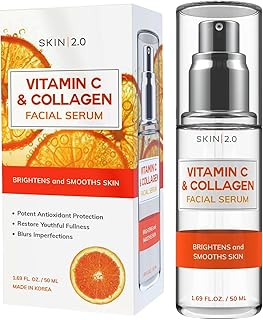
Skin 2.0 Vitamin C Serum – Dermatologist Tested
A dependable everyday pick — Skin 2.0 Vitamin C Serum – Dermatologist Tested pulls in 45 ratings at 4.5 stars. Not flashy, just solid.
7. Support Your Skin’s Microbiome With Fermented Ingredients

Skincare chemistry is moving away from sterilizing the skin and toward feeding the microbiome. Your face is covered in beneficial bacteria that fight off acne-causing pathogens. Harsh cleansers destroy this ecosystem. To rebuild it, I incorporate fermented ingredients into my morning routine. I use the Missha Time Revolution First Treatment Essence. It costs $32.00 for a 5.07 oz glass bottle. It contains fermented yeast extract. I shake exactly 4 splashes into my cupped palm. The liquid is completely clear and has the consistency of water. It smells distinctly like stale beer. I press it firmly into my face and neck immediately after cleansing, before my Vitamin C.
The fermentation process breaks down the active molecules so they penetrate deeper into the skin. It also produces lactic acid and amino acids as byproducts, which hydrate the surface. I noticed a significant decrease in random red patches after I added this essence. The glass bottle is heavy and slippery. I dropped one on my bathroom tile last year and shattered it completely. It was an expensive mess to clean up. Now I keep the bottle pushed to the back of the shelf. If you have fungal acne, avoid fermented ingredients entirely. They will feed the yeast and make the breakouts worse.
8. Layer Multi-Peptide Complexes For Firmness

Peptides are short chains of amino acids. They act as messengers, telling your cells to behave like younger cells. I use them heavily on my recovery nights. Copper peptides are particularly effective for wound healing and elasticity. I buy The Ordinary “Buffet” + Copper Peptides 1%. It costs $32.90 for a 1 oz dropper bottle. I bought my current bottle at Target. I apply exactly 2 drops to my forehead and cheeks. The serum is a vivid, transparent blue color. It looks like window cleaner. The texture is viscous and slightly sticky. It takes about three minutes to dry down completely.
You can’t mix copper peptides with direct acids or strong Vitamin C, because the low pH destroys the peptide bonds. That’s why I only use this on my barrier repair nights. I tried layering it under my retinoid once, and my face turned bright red and felt hot to the touch. The chemical reaction was immediate. Now I keep them strictly separated in the schedule. The sticky finish is annoying, especially if you sleep on your side. My cheek sticks to the pillowcase slightly. But the structural support it gives the skin matrix is worth the minor textural inconvenience.
9. Extend Everything Down To Your Neck And Chest

The skin on your neck and décolletage is thinner than the skin on your face, and it has fewer sebaceous glands. This means it dries out faster and shows UV damage much earlier. I completely ignored my neck for years. I only realized my mistake when I was trying on a V-neck sweater in a dressing room at Sprouts. The harsh overhead lighting highlighted deep horizontal lines across my neck and sun spots on my chest. Now, I drag every single product down. My cleanser, my Vitamin C, my retinoid, and my heavy creams all go down to the collarbone.
Because I go through product twice as fast, I buy a separate, cheaper cream specifically for this area. I use the Gold Bond Age Renew Neck & Chest Firming Cream. It costs $11.97 for a 2 oz tube. I squeeze out a quarter-sized amount. The cream is thick, opaque white, and has a strong, powdery floral scent that I frankly dislike. However, it contains salicylic acid to gently exfoliate the rough texture on my chest. I massage it in using upward strokes. Downward dragging just contributes to tissue laxity. The skin on the neck is highly reactive. If my 0.03% retinaldehyde makes my neck itch, I buffer it with a thick layer of the Gold Bond cream first.

Vtopmart 3 Tier Clear Makeup Organizer with Drawer
Honestly, Vtopmart 3 Tier Clear Makeup Organizer with Drawer surprised me — sturdier than it looks in the photos, and over 2 buyers gave it 4.5 stars.
10. Invest 10 Minutes In At-Home LED Light Therapy

Topical skincare can only penetrate so far. To affect the mitochondria inside the skin cells, I use light-emitting diodes. LED therapy is backed by decades of clinical data. Red light at 633 nanometers reduces inflammation. Near-infrared light at 830 nanometers penetrates deep into the dermis to stimulate fibroblasts. I use the CurrentBody Skin LED Light Therapy Mask. It costs $380.00 for the unit. It is made of flexible medical-grade silicone. I strap it to my face for exactly 10 minutes, three times a week. I look like a glowing red serial killer while wearing it.
The light is blindingly bright, even with my eyes closed. It doesn’t emit any heat, but the silicone traps my breath, making my upper lip sweat. I use it on clean, dry skin before applying any serums. I previously tested the Dr. Dennis Gross DRx SpectraLite FaceWare Pro ($435.00 for 1 unit). It’s a hard plastic mask. It felt heavy on the bridge of my nose and left a red dent that lasted for an hour. The flexible silicone of the CurrentBody mask conforms much better to my bone structure. Consistency is the only way LED works. If you only use it once a month, you’re wasting your time and electricity.
11. Wash Your Pillowcases And Disinfect Your Phone

You can have a perfect chemical routine, but if your environmental hygiene is terrible, you’ll still get acne. Your phone screen is covered in staph bacteria and dead skin cells. You press that glass directly against your cheek. I use Clorox Disinfecting Wipes ($5.49 for a 75-count canister). I pull out 1 wipe and scrub my phone case and screen every single evening. It takes ten seconds. Then there’s the pillowcase issue. You sweat and drool into the fabric for eight hours a night. The cotton absorbs your heavy night creams and traps the oils.
I started getting deep, cystic breakouts solely on my right cheek. I realized my pillowcase smelled faintly of old CeraVe cream. Now, I change my pillowcase every three days. I wash them using Tide Free & Gentle Liquid Laundry Detergent. I buy the 92 oz jug at Trader Joe’s for $12.99. I use exactly 2 tablespoons of detergent per load. Heavily fragranced detergents leave a chemical residue on the fabric that causes contact dermatitis. I don’t use fabric softener at all. It coats the threads in a waxy lipid layer that clogs pores instantly. Keeping the environment sterile is just as important as the acids you apply.
This systematic approach works because it respects the biological limits of the skin barrier. You can’t force your cells to regenerate faster by dumping ten different acids on them at once. You just cause chemical burns. I’ve spent years analyzing ingredient lists and clinical data, and this exact rotation of exfoliation, retinoids, and intense barrier repair is the most effective method I’ve found. Stick to the schedule strictly for eight weeks. That is how long it takes for the epidermis to fully turn over. Take a photo in harsh lighting now, and compare it in two months. The structural changes in the skin matrix will be obvious. Don’t skip the recovery nights, and never skip the mineral SPF. If you found this breakdown useful, pin this article to your skincare boards so you can reference the exact product measurements and layering rules later. Your barrier will thank you.
Frequently Asked Questions
How do I start a weekly skincare schedule?
Start with a basic cleanse, moisturize, and SPF daily. Once that foundation is solid, slowly introduce one chemical exfoliation night and one retinoid night per week to begin skin cycling.
Why is skin cycling important in a weekly skincare schedule?
It prevents chronic inflammation by giving your skin dedicated recovery nights to rebuild the lipid barrier after using strong active ingredients like acids or retinoids.
Can I use Vitamin C and retinol on the same day in my weekly skincare schedule?
Yes, if they are spaced correctly. Use Vitamin C in the morning to fight free radicals, and apply your retinoids at night to stimulate collagen production without causing excessive irritation.
How often should I exfoliate in my weekly skincare schedule?
Stick to chemical exfoliation just one or two nights a week. Over-exfoliating strips the acid mantle, causes severe barrier damage, and leads to redness and breakouts.
