What’s Inside
- Finding the Best Skincare Products for Acne Starts with Salicylic Acid
- Target Inflammatory Breakouts with Benzoyl Peroxide
- Integrate an Over-the-Counter Retinoid for Long-Term Prevention
- Never Skip Moisturizer, Even with Oily Skin
- Prioritize Daily Broad-Spectrum Sun Protection
- Avoid Over-Cleansing and Harsh Physical Scrubs
- Practice Patience and Consistency with New Products
- Resist the Urge to Pick or Pop Pimples
- Consider Azelaic Acid for Sensitive Skin and Post-Acne Marks
- Incorporate Niacinamide to Calm Skin and Regulate Oil
- Focus on Barrier-First Dermatology for Hormonal Acne
- Explore LED Light Therapy for Non-Invasive Treatment
- Try Sulfur-Based Products for Targeted Spot Treatment
- Assess Triggers When Using the Best Skincare Products for Acne
Last Tuesday at Whole Foods, I caught my reflection in the freezer aisle glass. My chin looked like a topographical map of red bumps. Finding the right acne products isn’t about buying the most expensive serum on the shelf. It’s about chemistry, consistency, and knowing what actually clears a clogged pore. I did this wrong for months before figuring it out. I used to grab whatever had the brightest packaging. Now I read ingredient percentages. Let’s break down the exact steps and formulas that actually work for breakouts.
1. Finding the Best Skincare Products for Acne Starts with Salicylic Acid

Using a cleanser with 0.5% to 2% salicylic acid is the foundational step for exfoliating pores and cutting oil. Salicylic acid is oil-soluble. That means it cuts through the sebum in your pores instead of just sitting on top of your skin. I recommend the CeraVe Acne Control Face Cleanser. It costs $15.99 for an 8 oz bottle at Target. It has 2% salicylic acid. Apply a coin-sized amount to damp skin. The most common mistake I see is washing it off immediately. You have to massage it for at least 60 seconds. I used to scrub for five seconds and rinse, wondering why my blackheads stayed put. The active ingredients need contact time. If you have drier skin, the La Roche-Posay Effaclar Medicated Gel Cleanser is another solid choice. It runs $16.99 for a 6.76 oz tube. Start using this once a day. If your skin doesn’t feel tight or flaky after two weeks, bump it up to twice daily. Just listen to your skin barrier.
2. Target Inflammatory Breakouts with Benzoyl Peroxide

For red, angry pimples that throb, you need benzoyl peroxide. It introduces oxygen into the pore, which kills the acne-causing bacteria. The PanOxyl Acne Foaming Wash is a maximum-strength option. It contains 10% benzoyl peroxide and costs $9.77 for a 5.5 oz tube at Walmart. Dermatologists suggest this for the face, chest, and back. Apply a dime-sized amount and leave it on for 1 to 2 minutes before rinsing. Here’s a honest negative. Benzoyl peroxide bleaches fabric. I ruined three dark blue towels from Costco last year because I didn’t rinse the foam off my jawline. I learned that the hard way. Now I only use white towels with this. If you prefer a leave-on treatment, the Neutrogena Rapid Clear Stubborn Acne Spot Treatment Gel works well. It costs $11.49 for a 1 oz tube and contains 10% benzoyl peroxide. It reduces pimple size in a few hours. If you have sensitive skin, start with a lower concentration like 2.5% or 5% to minimize irritation.
3. Integrate an Over-the-Counter Retinoid for Long-Term Prevention

Adapalene is a retinoid that’s highly effective for preventing clogged pores and reducing inflammation. It normalizes cell turnover so dead skin doesn’t get trapped. Differin Adapalene Gel 0.1% is a prescription-strength formula now available over-the-counter. You can find it for $14.99 for a 0.5 oz tube at Kroger. You only need a pea-sized amount for your entire face. Don’t use this as a spot treatment. It belongs on your whole face to stop future breakouts. I made a massive mistake with this in my twenties. I applied a thick layer like a moisturizer every single night. My face peeled for a week. Start slow. Apply that pea-sized amount in the evening, just 2 to 3 times a week. After a month, if your skin isn’t red or peeling, gradually increase the frequency. It takes time for your skin to build tolerance. The texture is a thin, cloudy gel that absorbs instantly, so it won’t leave your face feeling sticky on your pillow.

Clear Acrylic Makeup Organizers for Vanity,Countertop
Clear Acrylic Makeup Organizers for Vanity has been one of the most consistently praised picks in this category. 208 reviewers averaged 4.5/5.
4. Never Skip Moisturizer, Even with Oily Skin

A common mistake is avoiding moisturizer because people think it causes more breakouts. This actually leads to increased oil production. When you strip your skin of moisture using salicylic acid and benzoyl peroxide, your oil glands overcompensate by pumping out more sebum. Just choose the right formula. Look for lightweight, oil-free, non-comedogenic lotions. The Neutrogena Ultra Gentle Daily Face Moisturizer is a great basic option. It costs $13.49 for a 4 oz bottle. It feels like a watery gel and sinks in without leaving a shiny film. If your skin barrier is heavily compromised, the La Roche-Posay Effaclar H Iso-Biome Moisturiser is specifically formulated for this. It costs $22.99 for a 1.35 oz tube. Apply a nickel-sized amount morning and night. I used to skip moisturizer in high school. My forehead would be an oil slick by noon, yet my cheeks were flaking off. Hydration keeps your pores flexible so sebum flows out naturally instead of getting trapped.
5. Prioritize Daily Broad-Spectrum Sun Protection

Acne treatments increase your skin’s sun sensitivity. This makes daily sunscreen crucial to prevent sunburn and dark spots. Those marks left behind after a pimple heals will get much darker if exposed to UV rays. You need a broad-spectrum SPF 30 or higher that is non-comedogenic. Mineral sunscreens with zinc oxide or titanium dioxide are often well-tolerated by acne-prone skin because they have natural anti-inflammatory properties. The Sofie Pavitt Screentime Non-Comedogenic Hydrating Sunscreen SPF 30 is a recent launch designed specifically for acne-prone skin. It costs $36.00 for a 1.7 oz bottle. If you want a cheaper option, the Trader Joe’s Daily Facial Sunscreen is $8.99 for a 1.7 oz tube. It has a clear, silicone-heavy texture similar to a makeup primer. I bought it last summer. The negative is that it can pill if you rub it too hard over certain moisturizers. Pat it into the skin gently. Apply exactly 1/4 teaspoon to your face and neck every morning, regardless of the weather.
6. Avoid Over-Cleansing and Harsh Physical Scrubs

Washing your face more than twice daily or using abrasive scrubs strips the skin’s natural protective barrier. This leads to severe irritation and usually worsens breakouts. I learned this the hard way. A few years ago, I bought the St. Ives Apricot Scrub for $4.99 at Sprouts. I scrubbed my face aggressively every night, thinking I could sand away my blackheads. The crushed walnut shells literally created micro-tears in my skin. My face felt raw, tight, and looked constantly inflamed. The bacteria spread, and my acne got significantly worse. You can’t scrub acne away. It’s an inflammatory condition, not a dirt problem. Instead, cleanse gently twice a day with a mild, pH-balanced cleanser. Use your bare hands, not rough washcloths or spinning brushes. The friction from physical exfoliation aggravates active breakouts. If you feel greasy in the middle of the day, use a blotting paper instead of washing your face a third time. Protecting your acid mantle is the most important thing you can do for healing. You might also like: 15 Lovely Aesthetic Luxury Skincare to Inspire Your Next Project
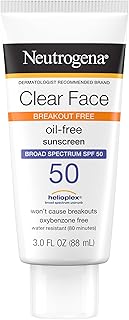
Neutrogena Clear Face Sunscreen Lotion for Acne-Prone Skin
Neutrogena Clear Face Sunscreen Lotion for Acne-Prone Skin has been one of the most consistently praised picks in this category. 88 reviewers averaged 4.5/5.
7. Practice Patience and Consistency with New Products

A frequent mistake is switching products too often. You aren’t allowing them enough time to actually work. Dermatologists advise using a new acne treatment consistently for at least 6 to 8 weeks before evaluating it. The skin cycle takes about 28 days for an average adult. That means it takes a full month just for new skin cells to travel to the surface. Retinoids, for instance, can take 3 to 4 months to show full results. I know it’s frustrating. You buy a new serum, use it for four days, see a new pimple, and throw it in the trash. I did this constantly in my early twenties. I had a bathroom cabinet full of half-used bottles. Pick a simple routine and stick to it. Track your progress with photos every Sunday morning in the same lighting. You won’t notice the gradual fading of red marks day to day. Giving a product 8 weeks is the only way to know if the chemistry is actually interacting with your skin properly. You might also like: 15 Charming Tips For Clear Skin Natural Skincare for a Fresh New Look
8. Resist the Urge to Pick or Pop Pimples

This common habit spreads bacteria, increases inflammation, and raises your risk of scarring. When you squeeze a pimple, you aren’t just pushing the pus out. You’re pushing bacteria and debris deeper into the follicle, which can cause the follicle wall to rupture. This creates a much larger, more painful nodule. I’m guilty of doing this while leaning too close to the bathroom mirror. I always regret it. The spot takes three times as long to heal and leaves a dark purple mark that lasts for months. Allow blemishes to heal naturally. If you absolutely can’t keep your hands off your face, use hydrocolloid patches. The Mighty Patch Original from Hero Cosmetics costs $12.99 for a 36-count box at Target. You peel a small sticker off the sheet and place it over a whitehead. It absorbs the fluid overnight and creates a physical barrier so your fingernails can’t do any damage. Leave it on for at least 6 hours. When you peel it off, the patch will be opaque white with the extracted fluid.
9. Consider Azelaic Acid for Sensitive Skin and Post-Acne Marks

If benzoyl peroxide or retinoids cause too much irritation, azelaic acid is an excellent alternative. It helps shed dead skin cells, kills bacteria, and is highly effective at correcting dark marks. It’s a multi-tasking acid that doesn’t get enough credit. The La Roche-Posay Effaclar A.Z. Gel Azelaic Acid Acne Treatment costs $43.00 for a 1 oz tube. It’s formulated specifically to address active breakouts and the dark marks they leave behind. If you want a more budget-friendly option, The Ordinary Azelaic Acid Suspension 10% is $11.10 for a 1 oz tube. The texture of The Ordinary version is a bit silicone-heavy. It feels slightly gritty and can pill if you apply too much. I mix a pea-sized amount with my nighttime moisturizer to make it spread easier. Apply it in the morning or evening. It has a mild tingling sensation for the first few minutes, which is normal. It reduces the redness of angry breakouts faster than almost anything else I’ve tested. It’s especially useful if you deal with rosacea alongside your acne.

EQQUALBERRY Vitamin Illuminating Serum | Niacinamide 4% +
EQQUALBERRY Vitamin Illuminating Serum | Niacinamide 4% + Brightening has been one of the most consistently praised picks in this category. 112 reviewers averaged 4.5/5.
10. Incorporate Niacinamide to Calm Skin and Regulate Oil

Niacinamide, also known as Vitamin B3, reduces redness, balances sebum, and strengthens the skin barrier. It doesn’t kill acne bacteria directly, but it creates an environment where acne struggles to survive. You can find it in serums, moisturizers, and cleansers. The CeraVe Renewing SA Cleanser includes niacinamide alongside salicylic acid. It costs $12.49 for an 8 oz bottle. If you want a dedicated serum, the Good Molecules Niacinamide Serum is $6.00 for a 1 oz glass dropper bottle. Apply 3 to 4 drops to damp skin before your moisturizer. A word of warning regarding concentration. Many brands push 10% or 15% niacinamide serums. Studies show it’s highly effective at just 2% to 5%. Higher percentages can actually cause irritation and small red bumps. I tried a 15% serum last year and my cheeks broke out in a rash within two days. Stick to lower concentrations, especially if you’re using strong active ingredients like retinoids or benzoyl peroxide. It plays well with almost every other ingredient, making it very easy to slide into your existing routine. You might also like: 14 Simple Skincare Routine for Every Budget
11. Focus on Barrier-First Dermatology for Hormonal Acne

A major focus right now is supporting the skin’s natural barrier, especially with hormonal acne. Hormonal breakouts—usually deep cysts along the jawline—don’t respond well to harsh drying agents. If you attack them with strong acids, you end up with dry, flaky skin on top of a painful cyst. You need products rich in ceramides, fatty acids, and hyaluronic acid to maintain skin health. The KraveBeauty Great Barrier Relief serum costs $28.00 for a 1.5 oz pump bottle. It contains tamanu oil, safflower oil, and ceramides. It smells slightly earthy, almost like celery, which I wasn’t expecting. It has a creamy lotion texture that instantly soothes tight, irritated skin. Apply 1 to 2 pumps when your face feels compromised from over-exfoliating. When your barrier is healthy, it keeps water in and bacteria out. If your face stings when you apply a basic, plain moisturizer, your barrier is damaged. Stop all acne treatments for a week and focus entirely on barrier repair using ceramides and gentle hydration.
12. Explore LED Light Therapy for Non-Invasive Treatment

LED light therapy is an effective, non-invasive acne treatment that doesn’t require putting any chemicals on your face. Blue light (specifically at 415nm) targets and destroys acne-causing bacteria. Red light (between 630-660nm) reduces inflammation and speeds up healing. Professional LED sessions at a dermatologist’s office offer higher efficacy. You usually see visible improvement in 4 to 6 sessions. However, at-home devices have gotten much better. The Omnilux Clear device is an FDA-cleared flexible silicone mask that combines blue and red light. It costs $395.00. That’s a steep cost, but it lasts for years. You strap it to your face for exactly 10 minutes a day. I use mine while drinking my morning coffee. The light is extremely bright, so keep your eyes closed or use the provided eye shields. It won’t clear severe cystic acne on its own, but it significantly reduces the lifespan of surface breakouts and takes the angry red tone out of your skin without causing any dryness or peeling.

medicube Deep Vitamin C Capsule Serum | Hydrating Vitamin C
medicube Deep Vitamin C Capsule Serum | Hydrating Vitamin C Serum for punches above its price — 298 buyers rated it 4.5 stars. I would buy it again.
13. Try Sulfur-Based Products for Targeted Spot Treatment

Sulfur is an older, highly effective ingredient that absorbs excess oil, manages bacteria, and unclogs pores. It’s often overlooked for flashier ingredients. The De La Cruz Sulfur Ointment 10% is a fantastic targeted spot treatment. It costs $6.99 for a 2.6 oz jar. It has a thick, sticky ointment texture. Apply a thin layer directly over a pimple, leave it on for 10 to 20 minutes, and wash it off with warm water. Here is the unavoidable negative. It smells exactly like rotten eggs. The scent lingers even after you wash it off. I applied it before a date once and spent the whole evening wondering if the guy could smell it on my chin. He definitely could. Because of the smell, I only use this at home on lazy Sunday afternoons. I’d rather deal with the smell than a painful cyst. Despite the odor, it flattens a swollen pimple faster than almost anything else. It’s very drying, so apply moisturizer to the area immediately after rinsing. Do not leave it on overnight or you’ll wake up with a chemical burn.
14. Assess Triggers When Using the Best Skincare Products for Acne

Even the best skincare products for acne can’t completely counteract environmental and internal triggers. Your pillowcase is a massive culprit. You sweat and shed dead skin cells every night. If you aren’t washing your pillowcase weekly, you’re rubbing your clean face into a bacterial breeding ground for 8 hours a day. I buy basic white cotton pillowcases in bulk so I can change them every three days without doing laundry constantly. Diet also plays a role for some people. High-glycemic foods and dairy can trigger insulin spikes, which increase sebum production. I noticed a massive reduction in my jawline breakouts when I swapped my daily whey protein powder for a plant-based option. Track what you eat and see if your skin flares up 24 to 48 hours after consuming heavy dairy or sugar. Skincare is just one piece of the puzzle. You have to treat the external symptoms with the right chemical exfoliants and moisturizers, while simultaneously reducing the internal triggers that cause the inflammation.
Finding a routine that works takes time and a lot of trial and error. I’ve wasted hundreds of dollars on products that did nothing but burn my skin. Start with a basic cleanser, a simple moisturizer, and one active ingredient like salicylic acid or adapalene. Don’t buy everything on this list at once. Introduce one new product every two weeks so you know exactly what is working and what is causing irritation. If you found this breakdown helpful, pin this article or save it to your skincare board so you can reference these exact percentages next time you’re at the store.
Frequently Asked Questions
What are the best skincare products for acne-prone skin?
The best products include a gentle 2% salicylic acid cleanser, a 10% benzoyl peroxide spot treatment for active pimples, an over-the-counter adapalene gel for prevention, and an oil-free, non-comedogenic moisturizer to maintain a healthy skin barrier.
How long does it take for acne products to work?
Most acne treatments require consistency. You should use a new product for at least 6 to 8 weeks before evaluating its effectiveness. Retinoids like adapalene can take 3 to 4 months to show full results as your skin cycle adjusts.
Can I use salicylic acid and benzoyl peroxide together?
Yes, but use them at different times of the day to prevent severe dryness and irritation. For example, use a salicylic acid cleanser in the morning and a benzoyl peroxide spot treatment in the evening.
Do I really need moisturizer if I have oily, acne-prone skin?
Yes. Skipping moisturizer forces your skin to overproduce sebum to compensate for the dryness caused by acne treatments. Always use a lightweight, oil-free, non-comedogenic moisturizer morning and night to keep your skin barrier intact.
