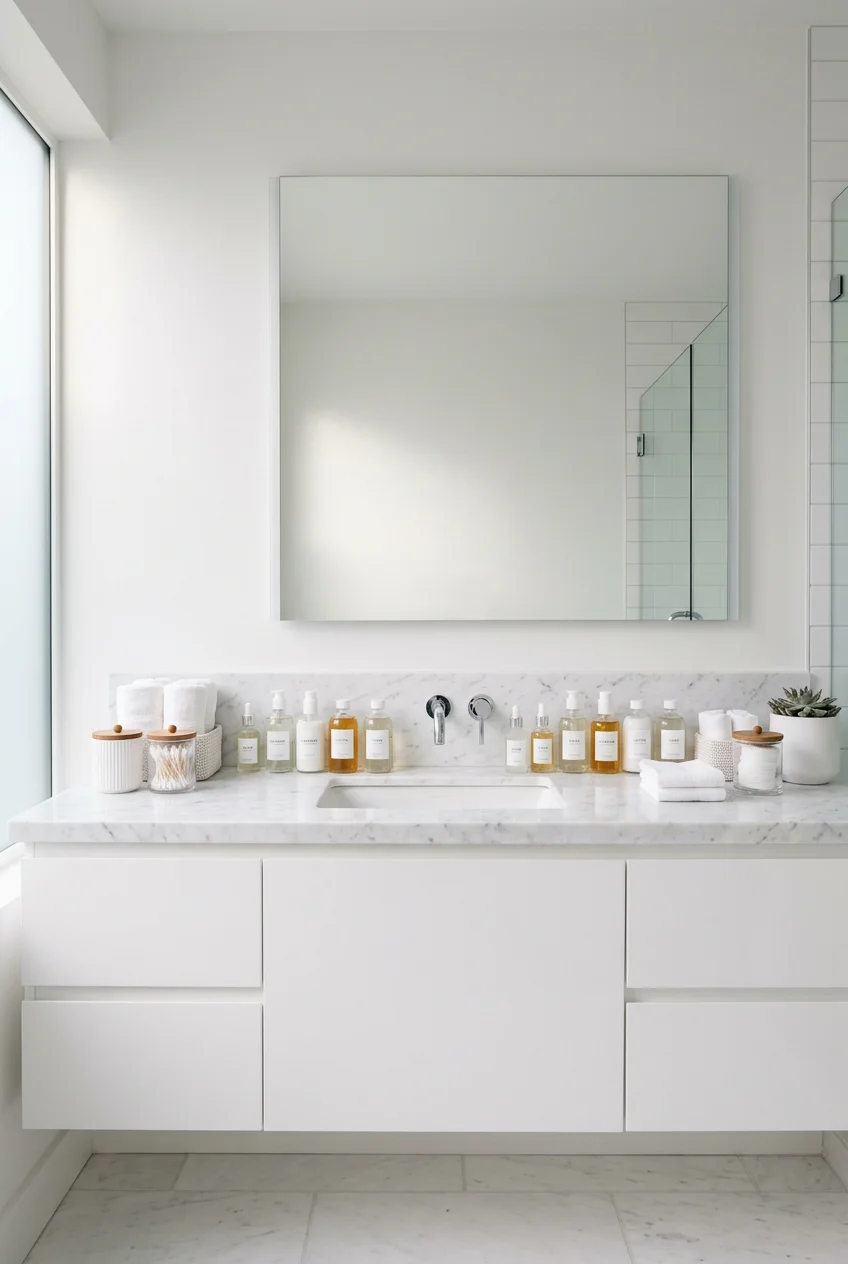
What’s Inside
- Prioritize Products with Visible PAO Dates for Optimal Freshness
- Avoid Bulk Buying Actives with Short Shelf Lives
- Embrace Skinimalism to Prevent Product Overload
- Utilize Batch Code Checkers for Unopened Products
- Invest in Airless Pump Packaging for Sensitive Ingredients
- Restock Basic Cleansers and Moisturizers in Moderate Quantities
- Incorporate Textures for a Restocking ASMR Skincare Experience
- Store Skincare in a Cool, Dark Place, Not the Bathroom Cabinet
- Opt for Sustainable Refillable Packaging Where Available
- Allocate a Pea-Sized Amount for Serums and Actives
- Clean Your Restocking ASMR Skincare Storage Bi-Annually
- Consider Skincare Subscription Boxes for Curated Discovery
- Avoid Dropper Bottles for Oils and Serums if Possible
- Repurpose Empty Jars for Storage or DIY Mixtures
- Donate Unopened or Gently Used Products to Local Shelters
Last Tuesday at Target, I dropped a full $40 glass bottle of lactic acid right on the linoleum floor while I was trying to film a restocking ASMR skincare video for my channel. The smell of fermented milk and shattered glass wasn’t the aesthetic I wanted. It’s a disaster. It forced me to rethink exactly how I organize and restock my bathroom setup. Restocking ASMR skincare isn’t just about tapping acrylic nails on glass bottles. It’s a methodical process of managing active ingredients, expiration dates, and physical textures. I tried doing this wrong for months before I figured it out. I used to buy massive hauls, only to watch expensive vitamin C turn dark orange and smell like hot dog water because I couldn’t use it fast enough. Let’s break down the exact analytical method I use to organize products without wasting money.
1. Prioritize Products with Visible PAO Dates for Optimal Freshness

When you’re setting up your shelf, the very first thing to check is the Period After Opening (PAO) symbol. This tiny open jar icon tells you exactly how many months a formula stays stable. I learned that the hard way last October at Whole Foods. I bought a 2 oz bottle of natural rosehip oil for $18.99 and tossed the box. Six months later, it smelled like rancid french fries. Most active serums, especially unstable ones like vitamin C, carry a 6M or 9M PAO limit. If you buy a massive 4 oz bottle, you won’t finish it in time. I now take a fine-tip Sharpie and write the exact date I opened the product directly on the bottom of the glass. The sound of the marker cap snapping shut is actually a great auditory addition if you record your process. For something like the Mad Hippie Vitamin C Serum, which costs $33.99 for 1.02 oz, you get exactly six months before the sodium ascorbyl phosphate starts degrading. Don’t push it. Throwing away half a bottle of expensive serum defeats the entire purpose of curating a careful routine. I’ve started keeping a small notebook in my bathroom drawer specifically to log these dates. It takes five seconds but saves me from applying expired, useless chemicals to my face.
2. Avoid Bulk Buying Actives with Short Shelf Lives

It’s tempting to grab multipacks when you see a good deal. Last winter at Costco, I bought a three-pack of a popular retinol cream for $45.99, thinking I was being financially savvy. I was completely wrong. Actives like retinol and L-ascorbic acid degrade rapidly when sitting in a warm closet. By the time I opened the third 1.7 oz tube nine months later, the cream had separated into a chunky, watery mess. The Skinceuticals CE Ferulic costs $182 for a 30ml bottle, and the brand explicitly states it has a shelf life of about 3 to 6 months after opening. If you buy two at once, the second bottle is oxidizing while it waits. You’re literally paying for dead ingredients. I only purchase one active serum at a time now. This keeps my physical inventory low and ensures the product actually works when I apply it to my face. The tapping sounds on a fresh, single glass bottle are much more satisfying than organizing a graveyard of expired backup boxes anyway. Costco is fantastic for paper towels, but terrible for sensitive skincare ingredients. Keep your active ingredient purchases strictly to single units.
3. Embrace Skinimalism to Prevent Product Overload

The 2026 shift toward skinimalism is a massive relief for anyone tired of a 12-step routine. Dermatologists consistently point out that layering too many active chemicals causes barrier damage and peeling. I used to line up ten different toners and essences on my acrylic shelf. It looked great on camera, but my skin was constantly red and irritated. I downsized my routine after a dermatologist visit last March. Now, I stick to a core lineup of four specific items: a cleanser, a targeted serum, a moisturizer, and a dedicated 50 SPF sunscreen. This makes the physical act of restocking much more manageable. When I go to Sprouts, I skip the endless aisles of trendy single-ingredient boosters. Instead, I pick up a multi-tasking moisturizer like the Heritage Store Rosewater Nourishing Cream for $14.49 (2 oz). Fewer bottles mean you can invest in higher quality formulas that actually penetrate the lipid barrier. It also leaves more physical space in your organizers, which creates a cleaner, more visually appealing setup when you record. You don’t need a separate essence, ampoule, and booster. Just find a well-formulated moisturizer and stick to it.

EQQUALBERRY Vitamin Illuminating Serum | Niacinamide 4% +
If you want something that just works, EQQUALBERRY Vitamin Illuminating Serum | Niacinamide 4% + Brightening is a safe bet (108 reviews, 4.5 stars).
4. Utilize Batch Code Checkers for Unopened Products

Unopened skincare doesn’t last forever. Most sealed bottles have a shelf life of one to three years, depending on the preservatives used. I made a huge mistake a few years ago when I found a clearance bin at Walmart. I bought four boxes of Olay Regenerist Micro-Sculpting Cream for $11.99 each (usually $27.49 for 1.7 oz). I didn’t realize they were already two years old. When I finally opened the last jar, the peptide cream had dried into a solid white puck. Now, I always use an online batch code checker before I buy discounted items. You can find the alphanumeric batch code printed on the bottom of the cardboard box or crimped into the tube seal. Typing that code into a checker website reveals the exact manufacturing date. If a product is already 18 months old on the store shelf, I leave it there. This is a critical step for maintaining a fresh inventory. There is nothing worse than setting up a beautiful display only to realize the contents inside the expensive glass jars are completely inert. Batch codes are your first line of defense against wasting money on degraded formulas. Don’t trust the discount sticker without verifying the date first.
5. Invest in Airless Pump Packaging for Sensitive Ingredients

Open jars are a nightmare for ingredient stability. Every time you unscrew a lid, you expose the formula to oxygen and ambient bacteria from the air. This accelerates oxidation, especially for antioxidants and exfoliants. I specifically seek out airless pump packaging for my active treatments. The Paula’s Choice 2% BHA Liquid Exfoliant costs $34 for 118ml, and while the standard bottle is a pour-top, I transfer it into a 4 oz sterilized airless pump bottle I buy online for $4.50. The mechanical click of an airless pump is highly satisfying for audio recordings. More importantly, it pushes a plastic disc upward, ensuring no air ever touches the remaining liquid. I used to dip my fingers directly into a $65 jar of polypeptide cream. Within a month, the cream started smelling slightly sour. Switching to airless pumps completely eliminated that issue. The formulas stay pristine until the very last drop, which justifies the price tag. You also get a perfectly measured dose every single time, which prevents you from applying too much and running out early. Airless pumps are non-negotiable for anything containing vitamin C or retinol. The initial investment in the pump bottle pays for itself when you don’t have to throw away half-used, oxidized serums. You might also like: 15 Creative Aesthetic Makeup And Skincare for Any Style
6. Restock Basic Cleansers and Moisturizers in Moderate Quantities

Basic hydration and cleansing products are the only categories where I allow slightly larger inventory levels. A standard face wash doesn’t contain highly volatile actives, meaning it remains stable much longer than a vitamin C serum. I keep exactly one backup of my daily cleanser under the sink. The CeraVe Hydrating Facial Cleanser costs $15.99 for a 236ml bottle. I go through about 1/2 cup of it every two months. Having one spare means I won’t suddenly run out on a Tuesday morning. For moisturizer, the Kiehl’s Ultra Facial Cream is $39 for a 50ml tub. Because these formulas rely on stable squalane and glycerin, an unopened backup will easily last a year in a dark drawer. However, I still refuse to buy the massive 16 oz tub sizes. A 16 oz tub takes me almost a year to finish. By month eight, the constant opening and closing degrades the texture. Stick to the standard 50ml or 236ml sizes. They fit perfectly into standard acrylic restocking drawers and ensure the product remains hygienic from start to finish. I’ve found that keeping a strict one-in, one-out rule for backups prevents my under-sink storage from turning into a chaotic mess. You might also like: 20 Lovely Aesthetic Night Routine Skincare for a Fresh New Look
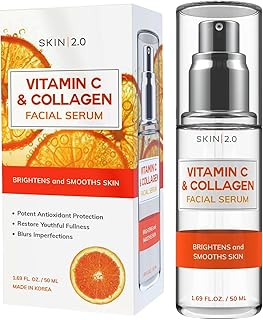
Skin 2.0 Vitamin C Serum – Dermatologist Tested
A dependable everyday pick — Skin 2.0 Vitamin C Serum – Dermatologist Tested pulls in 45 ratings at 4.5 stars. Not flashy, just solid.
7. Incorporate Textures for a Restocking ASMR Skincare Experience

The tactile feedback of a product is just as important as the active ingredients when you’re curating a sensory routine. Thin, watery toners don’t provide much grip or auditory satisfaction. I specifically look for jelly or squishy formulations that create a distinct sound when tapped or scooped. The Milk Makeup Hydro Grip Primer costs $38 for 45ml. It’s a dense, tacky gel texture that makes a very specific sticking sound when you press it into your skin. Similarly, the Kaja Mochi Glow Bouncy Highlighter is $21 for 0.15 oz. Pressing your finger into the pan feels exactly like touching fresh mochi dough. I also found a great gel moisturizer last week at Trader Joe’s. Their Ultra Hydrating Gel Moisturizer is only $8.99 for 2.5 oz, and the translucent jelly texture looks incredible when scooped out with a metal spatula. The visual and auditory experience of these dense, bouncy textures makes the daily application process significantly more engaging. Skip the flat, matte creams. They feel like spreading wet cardboard on your face and offer zero sensory payoff. The entire point of an aesthetic restocking session is to enjoy the sensory details. Watery liquids just don’t deliver that satisfying tactile experience. You might also like: 20 Creative Aesthetic Korean Skincare Worth Trying This Year
8. Store Skincare in a Cool, Dark Place, Not the Bathroom Cabinet

Storing expensive serums in a steamy bathroom is the fastest way to destroy them. I ruined a $50 bottle of niacinamide last year because I kept it on the windowsill next to my shower. The daily temperature fluctuations and direct sunlight caused the formula to separate completely. Heat destabilizes preservatives, making your products a breeding ground for bacteria. I now keep my active serums in a dark, cool linen closet outside the bathroom. For items that benefit from a chilled application, I use a dedicated mini fridge. I keep a 4 oz bottle of pure aloe vera gel I bought at Kroger for $4.49 in the fridge door. Applying cold aloe to inflamed skin physically lowers the surface temperature and reduces redness instantly. The heavy click of the mini-fridge door latch is also a great sound to capture. If you don’t want to buy a dedicated fridge, a simple opaque drawer in your bedroom works perfectly. Just keep your chemical exfoliants and antioxidants far away from radiator vents, sunny windows, and the humidity of your daily hot showers. Your bathroom is essentially a steam room. Move your expensive active ingredients to a dry, temperature-controlled environment immediately.
9. Opt for Sustainable Refillable Packaging Where Available

The beauty industry generates an absurd amount of plastic waste. I’ve shifted my purchasing habits to prioritize brands that offer heavy glass, refillable packaging. This isn’t just an environmental choice. Heavy glass jars provide a much better auditory experience when you set them down on a marble counter. REN Clean Skincare uses recycled glass for many of their products. Their Evercalm Global Protection Day Cream costs $52 for 50ml, and the glass bottle feels substantial in your hand. When it’s empty, you can purchase a foil refill pouch for less money and squeeze it directly into the sterilized glass jar. The sound of squeezing a thick cream from a foil pouch into a glass vessel is highly satisfying. I also appreciate brands that sell 16 oz aluminum refill bottles for body wash and lotion. It takes slightly more effort to clean and dry the glass components between refills, but the aesthetic result is worth it. You avoid the visual clutter of mismatched plastic bottles and create a uniform, high-end look on your vanity. Plus, the heavy glass components are much easier to sanitize between uses compared to flimsy plastic bottles.

medicube No Cast Just Glow Collagen Sunscreen | SPF 50
medicube No Cast Just Glow Collagen Sunscreen | SPF 50 Broad Spectrum has been one of the most consistently praised picks in this category. 861 reviewers averaged 4.5/5.
10. Allocate a Pea-Sized Amount for Serums and Actives

Most people apply way too much product. Slathering a thick layer of a potent chemical exfoliant won’t make it work faster. It just burns your stratum corneum and empties your wallet. I used to apply a full dropper of salicylic acid every night. My skin peeled for two weeks straight. Now, I strictly measure out a pea-sized drop for my entire face. A standard 30ml bottle of serum contains roughly 600 drops. If you use two drops a day, that single bottle will last you nearly ten months. This drastically changes how frequently you need to restock. When I use a dense cream, I measure out exactly 1/4 teaspoon using a tiny metal cosmetic spoon. The metal spoon prevents cross-contamination from my fingers and gives me precise control over the dosage. You’re wasting money if you apply more than your skin can physically absorb. The excess just evaporates or rubs off onto your pillowcase. Controlling your dosage ensures your expensive treatments last until their expiration date, making your restocking cycle predictable and cost-effective. A pea-sized amount is the gold standard for a reason. Your skin barrier can only absorb so much at once.
11. Clean Your Restocking ASMR Skincare Storage Bi-Annually

A cluttered drawer completely ruins the calming effect of an organized routine. Every six months, I pull every single bottle out of my cabinet and wipe down the shelves. I use a simple mixture of 1 cup distilled water and 2 tablespoons of rubbing alcohol to clean the sticky residue off the bottom of my glass jars. I bought a set of clear acrylic drawer dividers from Target last month for $14.99. I use these to separate my products strictly by category. Cleansers go in the back left, serums in the middle, and heavy occlusive moisturizers on the right. During this clean-out, I ruthlessly throw away anything that has changed color or smells slightly off. Last time, I had to toss a $40 peptide serum because the dropper had crystallized. Keeping your physical storage spotless is mandatory. Dust and leaked product attract bacteria, which eventually transfers to your hands and face. The visual satisfaction of sliding a perfectly clean, neatly divided acrylic drawer closed is the ultimate payoff for this bi-annual maintenance task. Taking the time to physically clean your storage components improves the entire process. It’s hard to feel relaxed when your bottles are covered in sticky residue.
12. Consider Skincare Subscription Boxes for Curated Discovery

Buying full-sized products blindly is a fast way to accumulate clutter. I built a graveyard of half-used moisturizers under my sink because I bought them on a whim and hated the texture. To fix this, I signed up for a few high-end subscription services. Beauty Heroes costs about $58 a month and focuses strictly on luxury, clean ingredients. Boxwalla Beauty Box is $59.95 every two months and features indie brands you won’t find at the mall. These boxes send curated, full-size items that force me to test one specific brand at a time. The unboxing process itself is fantastic for sensory recording. Slicing through the thick cardboard tape and unspooling the crinkle paper provides excellent audio. Because I only receive two or three items at a time, I actually use them up before buying anything else. It completely stopped my habit of impulse buying random serums at the drugstore. If a product from the box breaks me out, I pass it on to a friend immediately rather than letting it take up valuable real estate in my acrylic organizers. Subscription boxes force you to slow down and appreciate individual formulations instead of mindlessly hoarding random products.

COSRX Vitamin E Vitalizing Sunscreen,SPF 50 Face Sunscreen
A dependable everyday pick — COSRX Vitamin E Vitalizing Sunscreen pulls in 42 ratings at 4.5 stars. Not flashy, just solid.
13. Avoid Dropper Bottles for Oils and Serums if Possible

Dropper bottles look very clinical and aesthetic, but they aren’t functionally good for unstable ingredients. Every single time you pull the glass pipette out of the bottle, you push a column of fresh oxygen directly into the liquid. I noticed this issue with my facial oils. I bought a 30ml bottle of The Ordinary 100% Organic Cold-Pressed Rose Hip Seed Oil for $10.90. Because it came in a dropper bottle, the oil oxidized and turned rancid within four months. Now, I actively avoid dropper packaging for anything containing vitamin C, retinol, or unrefined plant oils. If a formula I want only comes in a dropper, I immediately decant it. I pour the liquid into a sterilized 1 oz amber glass bottle with a pump dispenser that I buy in bulk for $1.20 each. A pump mechanism keeps the oxygen out and extends the shelf life significantly. The mechanical sound of a pump is also much sharper and cleaner for audio recordings than the wet squelch of a rubber dropper bulb. It’s a small modification that saves the chemical integrity of the formula. It’s a very simple swap, but decanting from a dropper into a pump bottle is the best way to protect your financial investment in high-end oils.
14. Repurpose Empty Jars for Storage or DIY Mixtures

I refuse to throw away heavy glass packaging. When I finish a product, I boil the empty jar for ten minutes to remove the label adhesive and sterilize the interior. The Glow Recipe Watermelon Glow Niacinamide Dew Drops come in a beautiful, heavy pink glass bottle that costs $35 for 40ml. Once it’s empty, I pry off the plastic pump mechanism. I use that heavy glass teardrop bottle to hold 2 oz of plain distilled water for misting my face before applying hyaluronic acid. The glass feels incredibly premium. I also save small 15ml eye cream jars to hold DIY lip scrubs. I mix 1 tablespoon of fine cane sugar with 1/2 teaspoon of pure glycerin. Packing this mixture into a heavy, sterilized glass jar looks exactly like a high-end retail product. Tapping a glass wand against these repurposed jars creates a bright, sharp sound. Plastic containers simply aren’t as satisfying. Repurposing these vessels keeps non-recyclable pumps out of the landfill and gives your vanity a cohesive, customized appearance without spending extra money on empty storage containers. I’ve saved dozens of beautiful glass jars from the recycling bin this way. They look fantastic lined up on an acrylic tray.
15. Donate Unopened or Gently Used Products to Local Shelters

No matter how carefully you curate your routine, you’ll eventually buy something that your skin hates. I tried a popular chemical sunscreen last July that gave me contact dermatitis within twenty minutes. Instead of letting the $28 tube gather dust, I immediately put it in a donation bin. Most local women’s shelters and domestic abuse organizations desperately need personal care items. While rules vary by location, many shelters will accept gently used pump bottles or squeeze tubes, provided you haven’t touched the formula directly with your fingers. They’ll always accept unopened boxes. Last week, I dropped off three unopened 5 oz tubes of a gentle foaming cleanser I accumulated from subscription boxes. It clears out my physical space and ensures the active ingredients don’t expire and go to waste. Organizing your inventory isn’t just about making your bathroom look like a boutique. It’s about practical inventory management. If you know you won’t use a product within its PAO timeframe, get it out of your house immediately. Donating is the most responsible way to handle products that don’t work for your specific skin type. It clears your space and benefits someone else.
Building a functional setup takes time, but the visual and auditory payoff is incredible. I’m constantly refining my shelves, but prioritizing airless pumps and strict expiration dates completely changed how my skin looks. You won’t see results if you’re slathering expired, oxidized serums on your face. I’d highly recommend starting by checking the PAO dates on your current lineup tonight. Toss the rancid oils and start fresh. Pin this guide to your skincare aesthetic boards so you can reference these exact shelf-life rules next time you’re tempted to buy a massive bulk jar of moisturizer.

Vtopmart 3 Tier Clear Makeup Organizer with Drawer
A dependable everyday pick — Vtopmart 3 Tier Clear Makeup Organizer with Drawer pulls in 2 ratings at 4.5 stars. Not flashy, just solid.
Frequently Asked Questions
What is restocking asmr skincare?
Restocking asmr skincare is the process of organizing and refilling beauty products while focusing on the sensory details, like the tapping of glass bottles or the squishy textures of creams, to create a relaxing auditory and visual experience.
How long do skincare products actually last?
Most unopened skincare lasts one to three years. Once opened, you must check the PAO (Period After Opening) symbol on the jar. Active serums like vitamin C usually expire within 3 to 6 months.
Why should I avoid dropper bottles for my serums?
Dropper bottles introduce oxygen into the formula every time you pull the pipette out. This causes sensitive active ingredients, like retinol and unrefined oils, to oxidize and degrade much faster than they would in an airless pump.
Where is the best place to store active skincare products?
Store your active skincare in a cool, dark place like a linen closet or a dedicated mini-fridge. Keeping expensive serums in a humid, steamy bathroom accelerates bacteria growth and ingredient breakdown.
