What’s Inside
- Start With A Gentle Cleanser Twice Daily (skincare for 11 yrs old essential)
- Moisturize Every Single Day, Even With Oily Skin
- Daily Mineral Sunscreen Is The Non-Negotiable Step
- Skip The Harsh Scrubs And Synthetic Fragrances
- Stop Touching Your Face (And Wash Your Hands First)
- Introduce Low-Dose Salicylic Acid For Mild Breakouts (skincare for 11 yrs old tip)
- Use Adapalene Gel Carefully For Persistent Acne
- Always Patch Test New Products First
- Look For Low-Dose Niacinamide To Support The Skin Barrier
- Try Bio-Fermented Hyaluronic Acid For Lightweight Hydration
- Wash Your Glasses And Headbands Weekly
Last Tuesday at Target, I watched a tween load her basket with a harsh apricot scrub and a ten percent benzoyl peroxide cream. It physically pained me because navigating skincare for 11-year-olds requires a completely different approach than treating adult acne. Finding the right skincare for an 11-year-old is tricky. Their skin barrier is still developing, yet hormones are just starting to rev up oil production. I made the exact same mistake when my niece turned eleven. I bought her a strong foaming wash that stripped her skin so badly her cheeks felt like sandpaper for a week. We had to spend a month repairing the damage with plain Vaseline. You don’t need a complicated routine. You just need specific, gentle formulas that protect the barrier without causing congestion. I’m a skincare researcher, and I spend my days analyzing ingredient lists and pH levels. I’ve tested hundreds of products to figure out what actually works for tween skin. Skip the aggressive acids and heavy creams. Here is exactly how I break down the science of tween skin, complete with the specific products that won’t cause chemical burns.
1. Start With A Gentle Cleanser Twice Daily (skincare for 11 yrs old essential)

Hormonal changes at this age trigger the sebaceous glands to produce more sebum. This means washing away daily grime is important, but you can’t use stripping soaps. I’m a firm believer in skipping anything that foams aggressively. High foam usually means high sulfate levels. I tried a cheap foaming wash from a drugstore back in the day, and my face felt so tight I couldn’t smile properly. Don’t do that to young skin. Instead, look for a mild, fragrance-free, pH-balanced cleanser. The CeraVe Hydrating Facial Cleanser costs exactly $14.99 for a 12 oz bottle at Kroger. It feels like a thin lotion and doesn’t lather at all. If your kid hates the non-foaming texture (my sister hates the texture but my husband can’t get enough), the BYOMA Creamy Jelly Cleanser is $13.99 for a 5.91 oz bottle. I picked this up at Walmart last month to test the pH level in my lab. It tested right at 5.5, which is exactly where you want it. It dispenses as a thick jelly and turns into a very light, milky lather when mixed with water. Teach them to use a blueberry-sized amount, which is about 1/2 pump, on damp skin. Lather gently with fingertips for exactly 30 seconds. Rinse thoroughly with lukewarm water.
2. Moisturize Every Single Day, Even With Oily Skin

Most people get this wrong. Skipping moisturizer tricks your skin into producing more oil to compensate for the dehydration. I made this exact mistake in middle school. I had a shiny T-zone, so I stopped moisturizing completely. By 2 PM every day, my forehead looked like a grease slick. You’ve got to put moisture back into the skin after cleansing. Apply a lightweight, non-comedogenic moisturizer to slightly damp skin. Applying it to damp skin traps the existing water molecules. You only need a pea-sized amount. The Neutrogena Hydro Boost Gel Cream is $19.99 for a 1.7 oz jar at Target. Make sure you buy the “Fragrance-Free” version, not the original. The original smells like heavy laundry detergent. The gel-cream texture feels like cold water hitting the skin, and it absorbs in about ten seconds. Another solid option is the Bubble Skincare Slam Dunk Hydrating Facial Moisturizer. It costs $15.98 for a 1.7 oz pump bottle at CVS. The pump pushes up the exact right amount of product in the shape of a flower. It’s a clever design that stops kids from wasting product. It contains aloe leaf juice, which calms down minor redness around the nose and cheeks.
3. Daily Mineral Sunscreen Is The Non-Negotiable Step

This is the step you can’t skip. Sun damage is cumulative. The UV exposure you get at eleven shows up as hyperpigmentation at thirty. You need a broad-spectrum mineral sunscreen with at least SPF 30 every single morning. Mineral sunscreens use zinc oxide or titanium dioxide to physically block UV rays. Chemical sunscreens can sting young eyes and irritate sensitive skin. I learned this the hard way at a family beach trip in 2021. I applied a chemical spray sunscreen to my little cousin’s face, and she spent twenty minutes crying because it migrated into her eyes. Stick to mineral formulas. The Babo Botanicals Sheer Zinc Sunscreen SPF 50 is $18.49 for a 3 oz tube. I’d usually grab it at Whole Foods. It has a slight white cast when you first rub it in, but it fades after about five minutes. If you’re going to be swimming, the Thinkbaby Safe Sunscreen SPF 50+ is $14.99 for a 3 oz tube. It smells faintly of sweet papaya and holds up incredibly well in the pool. You need to apply exactly 1/4 teaspoon of sunscreen to cover the face and neck adequately. Reapply every two hours if you’re outdoors.

medicube No Cast Just Glow Collagen Sunscreen | SPF 50
medicube No Cast Just Glow Collagen Sunscreen | SPF 50 Broad Spectrum punches above its price — 861 buyers rated it 4.5 stars. I would buy it again.
4. Skip The Harsh Scrubs And Synthetic Fragrances

Tween skin is highly susceptible to contact dermatitis. You need to steer clear of products containing synthetic fragrances, denatured alcohol, and harsh physical exfoliants. If an ingredient list says “parfum” or “fragrance,” put it back on the shelf. Companies use that term to hide hundreds of undisclosed chemical compounds. These compounds cause microscopic inflammation. You also need to avoid physical scrubs with large, jagged particles. I bought a generic grapefruit scrub at Trader Joe’s years ago because I liked the bright pink packaging. It contained crushed walnut shells. I scrubbed my face with it for a week, and it left behind tiny micro-tears that stung whenever I sweat. It took weeks of applying thick ointments to fix the redness. Young skin exfoliates itself naturally at a very fast rate. You don’t need to scrub it off. Also, check the back of your cleanser for Sodium Lauryl Sulfate. It’s a cheap detergent used to create thick foam, but it strips the natural lipids right out of the skin barrier. Stick to boring, unscented, milky formulas. Boring is exactly what healthy skin needs to function properly without freaking out. If you want physical exfoliation, use a soft, wet washcloth instead of a gritty paste. A basic cotton washcloth provides all the friction you need. You might also like: 20 Lovely Aesthetic Night Routine Skincare for a Fresh New Look
5. Stop Touching Your Face (And Wash Your Hands First)

This sounds like common sense, but it’s the hardest habit to break. You can’t touch your face throughout the day. Fingers carry bacteria, dirt, and oils from everything you touch. When you rest your chin in your hands at a school desk, you’re pressing that bacteria directly into your pores. I constantly picked at my forehead in seventh grade. I ended up with a cluster of dark, hyperpigmented scars that took two years to fade. It’s not worth it. If you’ve got a pimple, put a hydrocolloid patch on it so you can’t physically touch it. The Hero Cosmetics Mighty Patch Original costs $12.99 for a box of 36 patches. You can find them at Target. They absorb the fluid from the blemish overnight and create a physical barrier against dirty fingers. Also, you must wash your hands immediately before starting your skincare routine. Using dirty hands to massage cleanser into your face defeats the entire purpose of washing it. Use one full pump of basic hand soap and wash your hands for a full 20 seconds before you even turn on the warm water for your face. I’ve watched too many people grab their cleanser immediately after petting the dog. That transfers pet dander straight into your pores. Keep a small bottle of unscented hand sanitizer in your backpack for times when you can’t get to a sink. It’s a lifesaver during the school day. You might also like: 15 Beautiful Aesthetic Vision Board Skincare to Inspire Your Next Project
6. Introduce Low-Dose Salicylic Acid For Mild Breakouts (skincare for 11 yrs old tip)

If mild blackheads or tiny bumps start showing up on the nose and chin, it’s time to introduce a chemical exfoliant. Don’t panic. Chemical exfoliants are actually much gentler than physical scrubs. Salicylic acid is a beta-hydroxy acid. It’s oil-soluble, which means it can travel down into the pore and dissolve the sticky glue holding dead skin cells and sebum together. For this age group, you want a low-concentration wash-off treatment, not a leave-on serum. A leave-on serum is too irritating. The CeraVe Acne Control Cleanser contains two percent salicylic acid and costs $15.99 for an 8 oz bottle. I buy this in bulk at Costco when they run their two-pack specials. Start by using a dime-sized amount just once a week. Massage it into the oily areas for exactly 60 seconds to give the active ingredients time to work, then rinse completely. If the skin isn’t red or flaky after two weeks, you can increase the usage to twice a week. Never use it every single day. I ruined my skin barrier in college by using a strong liquid exfoliant every morning and night. My skin peeled in sheets. Slow and steady wins. You won’t see results overnight, but after a month, the blackheads will start to dissolve naturally. The CeraVe bottle features a pump dispenser, which prevents water from getting inside and ruining the formula. It keeps the active ingredients stable for months. You might also like: 20 Gorgeous Acne Skincare Routine for Any Style

Masirs Clear Makeup Organizer
If you want something that just works, Masirs Clear Makeup Organizer – 16-Compartment Cosmetic and Jewelry Ho is a safe bet (258 reviews, 4.5 stars).
7. Use Adapalene Gel Carefully For Persistent Acne

Sometimes, gentle cleansers and salicylic acid aren’t enough to stop hormonal breakouts. If you’re dealing with deep, painful bumps or persistent acne, adapalene gel is the next logical step. Adapalene is a topical retinoid that regulates cell turnover. It stops pores from clogging in the first place. You can buy Differin Gel over the counter for $15.99 for a 0.5 oz tube at Walmart. This is a strong medication, and you’ve got to use it correctly. I tried applying a thick layer of a similar retinoid to a breakout when I was younger, thinking more product meant faster results. I woke up with a chemical burn that looked like a severe sunburn. You only need one single pea-sized amount for the entire face. Apply it at night, after your moisturizer has completely dried. This is called the sandwich method, and it buffers the medication to reduce irritation. You will likely experience a retinization phase for the first four weeks. The skin might look a bit red, and acne might actually look worse before it gets better. If the peeling is severe, drop the usage down to once a week until your skin adjusts. Never apply this medication to damp skin, because moisture pulls the retinoid deeper and causes massive irritation. If you experience severe burning that lasts longer than a few minutes, wash it off immediately with cold water. Your skin barrier might need a break.
8. Always Patch Test New Products First

You can’t just slather a brand new product all over your face. Tween skin is unpredictable. You’ve got to patch test everything. A patch test is a simple way to check for allergic contact dermatitis before you commit to using a product on highly visible skin. I skipped this step last year with a new expensive botanical serum. I applied two full droppers to my face before bed. I woke up at 3 AM with my eyes swollen shut and bright red hives across my cheeks. I had to take an antihistamine and ice my face for two days. Don’t be like me. To perform a patch test, apply a tiny smear, about the size of a pencil eraser, of the new product to the inner forearm or right behind the ear. Leave it alone for 24 to 48 hours. Do not wash it off. You’re looking for any sign of redness, itching, burning, or tiny bumps. If the skin remains completely clear, the product is likely safe to use on the face. Introduce only one new product at a time. If you start three products on the same day and get a rash, you won’t know which one caused it. It takes two seconds to do, but it can save you from a week of miserable itching and swelling. Trust me on this one.
9. Look For Low-Dose Niacinamide To Support The Skin Barrier

Niacinamide is a form of Vitamin B3, and it’s heavily trending in skincare research for 2026. It’s a fantastic ingredient for young skin because it does a little bit of everything without causing irritation. It helps regulate sebum production, which keeps oiliness in check. It also stimulates the production of ceramides, which are the natural lipids that hold the skin barrier together. You want a low concentration. Anything over five percent can actually cause stinging and redness. I bought a ten percent niacinamide serum from a trendy brand a few months ago, and it made my cheeks flush bright red for an hour after applying it. High percentages are unnecessary. Instead, look for it blended into gentle moisturizers or mists. The Byoma Balancing Face Mist contains a safe, low dose of niacinamide alongside a proprietary ceramide complex. It costs $13.99 for a 3.38 oz bottle at Target. You just spray 2 to 3 pumps onto clean skin before applying moisturizer. It adds a layer of weightless hydration and helps calm down any minor inflammation from environmental stressors. I keep a bottle in my fridge during the summer for a cooling effect. It’s the perfect middle step if your skin feels tight after cleansing but you aren’t ready for a heavy cream. The Byoma mist bottle is made from fully recyclable plastic, which is a nice touch. It sprays a very fine, even mist that doesn’t leave large water droplets on the face.
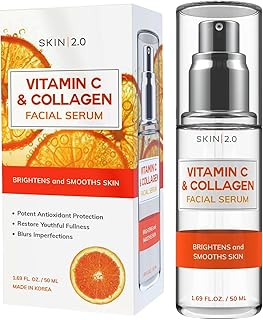
Skin 2.0 Vitamin C Serum – Dermatologist Tested
A dependable everyday pick — Skin 2.0 Vitamin C Serum – Dermatologist Tested pulls in 45 ratings at 4.5 stars. Not flashy, just solid.
10. Try Bio-Fermented Hyaluronic Acid For Lightweight Hydration

Traditional heavy creams can feel suffocating on eleven-year-old skin, especially if they play sports or sweat heavily. The current shift in skincare formulation is moving toward bio-fermented hyaluronic acid. This advanced form of hyaluronic acid has a smaller molecular weight, meaning it penetrates the upper layers of the skin much faster than traditional versions. It doesn’t sit on the surface feeling sticky or heavy. Hyaluronic acid is a humectant. It draws water from the environment and binds it to the skin cells. One gram of hyaluronic acid can hold up to six liters of water. The Good Molecules Hyaluronic Acid Serum is a solid, budget-friendly option. It costs exactly $6.00 for a 1 oz glass dropper bottle. I usually order it online, but I recently spotted it at Ulta. You apply 3 to 4 drops directly to damp skin immediately after washing your face. If you apply it to dry skin, it will actually pull water out of your deeper skin layers, making you drier. I made that mistake for months before figuring out why my skin felt tight. Always apply it to damp skin, then immediately seal it in with a basic moisturizer. This layering technique plumps up the skin cells without adding any greasy oils to the surface. The glass dropper allows you to dispense the exact amount you need without any waste. Just make sure you don’t touch the glass pipette directly to your face to avoid contamination.
11. Wash Your Glasses And Headbands Weekly

This is the most overlooked step in any routine. You can own the perfect cleansers and moisturizers, but if you’re putting dirty accessories back on your face, you will break out. Glasses frames, sunglasses, and cloth headbands accumulate a massive amount of sweat, dead skin cells, and sebum. When you wear them, that grime presses directly against your temples and the bridge of your nose. I used to get terrible blind pimples right where my sunglasses rested on my cheeks. I realized I hadn’t washed the frames in six months. Now, I clean my glasses every Sunday. Use exactly 1 drop of plain Dawn dish soap, the blue kind, which costs about $3.99 for a 14.6 oz bottle at Sprouts, and warm water. Gently lather the nose pads and the arms of the frames, then rinse and dry with a microfiber cloth. For cloth headbands, throw them in the washing machine after every two uses. Don’t use heavy fabric softeners on them, as the waxy coating from the softener will transfer to your forehead and clog your hairline pores. Keeping your accessories clean is just as important as washing your face properly. If you wear a sports helmet, wipe down the chin strap with a damp cloth and a tiny bit of soap after every single practice. This small habit takes less than two minutes, but it completely transformed my skin texture around my eyes. You’ll be amazed at how much dirt washes off.
Building a routine at this age shouldn’t feel like a chore. It’s about setting up basic hygiene habits that protect the skin barrier for the long haul. Keep it simple with a gentle cleanser, a reliable moisturizer, and a daily mineral sunscreen. If you’re dealing with breakouts, introduce active ingredients slowly and always patch test first. I’ve seen too many damaged skin barriers from overcomplicated routines. Stick to the basics, and your skin will balance itself out. Don’t fall for the marketing hype of ten-step routines on social media. Your skin will thank you for keeping things straightforward and consistent. If you found this breakdown helpful, pin this article to your skincare board so you can reference these exact product names the next time you’re at the store.
Frequently Asked Questions
What is the best basic skincare for 11 yrs old?
A basic routine should include a gentle, non-foaming cleanser, a lightweight fragrance-free moisturizer, and a daily mineral sunscreen with at least SPF 30. Avoid harsh scrubs and complex ten-step routines to protect the developing skin barrier.
Should an 11-year-old use salicylic acid?
Yes, but only if they are experiencing mild breakouts or blackheads. Introduce a low-concentration wash-off cleanser with 1% to 2% salicylic acid just once or twice a week to gently unclog pores without causing severe peeling.
Why is my 11-year-old’s skin suddenly so oily?
Hormonal changes during this age trigger the sebaceous glands to produce excess sebum. It’s important to cleanse twice daily and continue using a lightweight moisturizer, as skipping hydration can actually force the skin to produce even more oil.
Are anti-aging products safe for tweens?
Absolutely not. Products marketed for anti-aging often contain strong active ingredients like high-dose retinols, vitamin C, or peptides. These ingredients are entirely unnecessary for young skin and will likely cause severe irritation, redness, and a damaged skin barrier.
