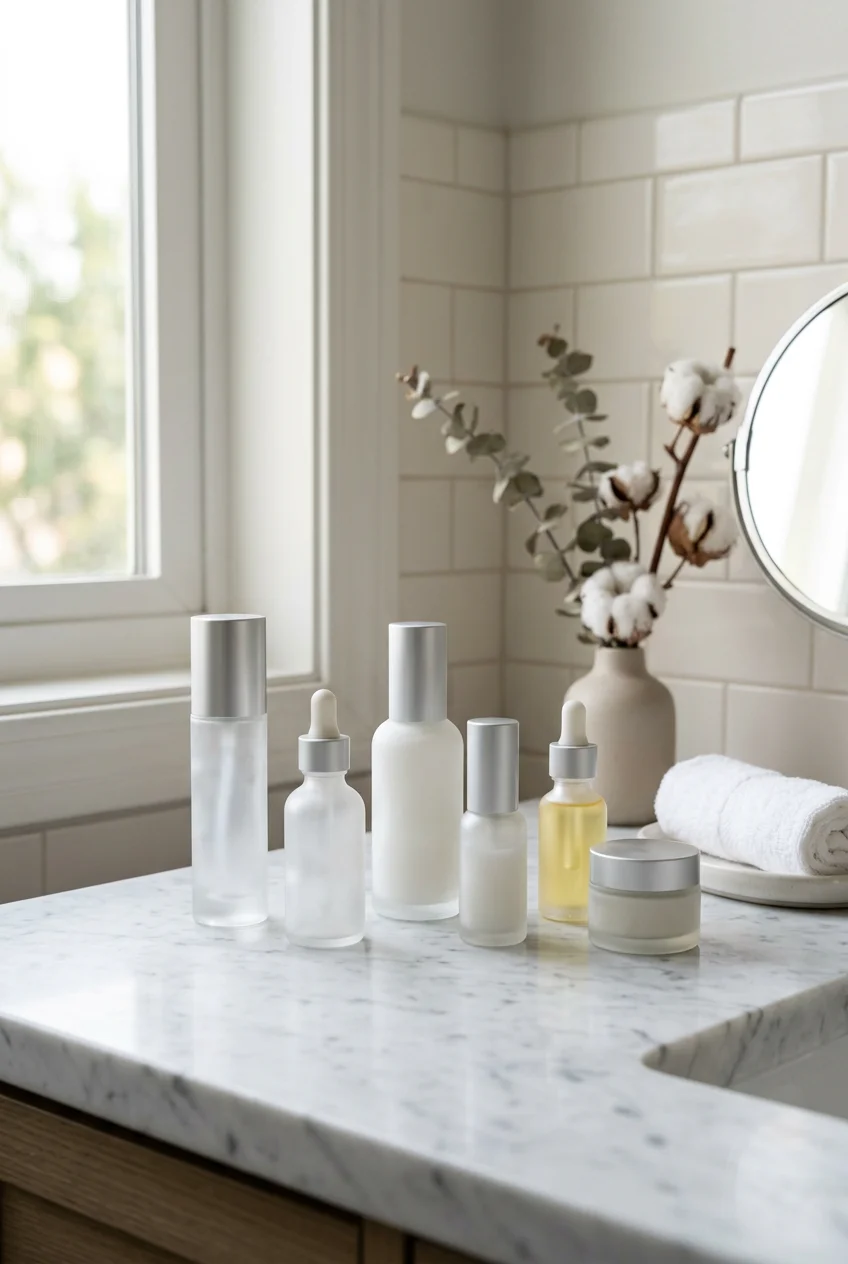
What’s Inside
- The Water-Only Morning Wash (and CeraVe at Night)
- Layering Cosrx Hyaluronic Acid on Damp Skin
- Essential Skincare Routine Products: TruSkin Vitamin C Serum
- The Retinol Sandwich Method with Versed
- CeraVe 100% Mineral Sunscreen SPF 50
- La Roche-Posay Lipikar for Barrier Repair
- Lion Pose Bio-Peptide Cream for Firmness
- Stopping the Over-Exfoliation Cycle
- Mastering the Thinnest to Thickest Rule
- The Double Cleanse for Makeup Removal
- Microbiome-Friendly Skincare Routine Products
- Changing Pillowcases to Prevent Breakouts
- Ignoring Price Tags for Active Ingredients
Last Tuesday at Whole Foods, I caught a glimpse of my face in the harsh fluorescent lighting above the organic apples. My cheeks were flaking so badly they looked like puff pastry. Finding the right skincare products isn’t just about slapping expensive creams on your face and hoping for the best. It takes real trial and error. I’ve spent years buying random bottles because the packaging looked clinical, only to end up with a compromised skin barrier and empty pockets. You don’t need a twenty-step regimen to fix your face. You just need specific active ingredients in the right concentrations, applied in the correct order. I’m going to break down exactly what goes on my face, how much it costs, and why the chemistry makes sense. Skip the heavily fragranced stuff. It usually just causes contact dermatitis anyway.
1. The Water-Only Morning Wash (and CeraVe at Night)

I did this wrong for months before figuring it out. I used to scrub my face with a foaming cleanser every single morning, thinking I needed to wash away the night’s skincare. Dermatologists say over-cleansing worsens dryness and sensitivity. Now, I just rinse my face with lukewarm tap water in the morning. It saves time and stops my skin from feeling tight before I even apply moisturizer. In the evening, you need to remove the day’s grime. I use the CeraVe Hydrating Facial Cleanser. It costs $15.99 for a 16 oz pump bottle at Target. The texture is completely non-foaming, which feels weird at first. It resembles a thin, slick lotion. You just massage 2 pumps onto damp skin for sixty seconds and rinse. It contains ceramides and hyaluronic acid, so it cleans without stripping the lipid barrier. If you’re using a harsh wash that leaves your skin squeaky clean, you’re damaging your face. Squeaky clean is for dishes, not human skin. I buy the massive bottle because it lasts about four months, making the cost per use incredibly low.
2. Layering Cosrx Hyaluronic Acid on Damp Skin

Most people get this wrong. They buy an expensive hyaluronic acid, apply it to a bone-dry face, and wonder why their skin feels tighter than before. Hyaluronic acid is a humectant. It draws moisture from its surroundings. If your skin is dry and the air is dry, it pulls water out of your deeper skin layers. You must apply it to damp skin. After I rinse my face, I leave it dripping wet. Then I apply 3 to 5 drops of Cosrx The Hyaluronic Acid 3 Serum. It costs $22 for a 0.67 oz bottle. This formula uses multi-weight hyaluronic acid, meaning the molecules are different sizes to hydrate different layers of the epidermis. The texture is slightly viscous, almost like a light syrup, but it absorbs in seconds. If you’re on a stricter budget, The Ordinary Hyaluronic Acid 2% + B5 is a solid alternative at $8.90 for a 1 oz bottle. I’ve used The Ordinary version for two years before switching to Cosrx for the higher concentration. I usually buy my facial mists to dampen my skin at Sprouts, just grabbing whatever plain rose water is on sale for around $6. Learned that the hard way.
3. Essential Skincare Routine Products: TruSkin Vitamin C Serum

Vitamin C is notoriously unstable. If your serum turns brown, it’s oxidized and you’re just rubbing useless liquid on your face. You need a stable formula to fight free radicals and brighten hyperpigmentation. SkinCeuticals C E Ferulic is the gold standard for many, combining 15% L-ascorbic acid with vitamin E and ferulic acid. The problem is that it costs $169 for a 1 oz bottle and smells exactly like hot dog water. I tried a sample once and couldn’t get past the scent. Instead, I use the TruSkin Vitamin C Serum. It costs $21.99 for a 1 oz bottle at Walmart. It uses sodium ascorbyl phosphate, which is a much gentler, more stable derivative of Vitamin C. It doesn’t irritate my skin, and the bottle actually stays clear for months. I apply a dime-sized puddle to my palm and press it into my face every morning after my hyaluronic acid dries down. It takes about three weeks of daily use to actually notice your dark spots fading, so you have to be consistent.

Yeamon Gua Sha Facial Tools and Face Roller Set
A dependable everyday pick — Yeamon Gua Sha Facial Tools and Face Roller Set pulls in 1 ratings at 4.5 stars. Not flashy, just solid.
4. The Retinol Sandwich Method with Versed

Retinol is the only ingredient proven to speed up cell turnover and build collagen. It also causes massive flaking if you rush it. I burned my face pretty badly in my twenties by applying a 1.0% retinol every night right out of the gate. You have to introduce it gradually using the sandwich method. I apply a thin layer of moisturizer, wait two minutes, apply a pea-sized amount of retinol, wait two more minutes, and add another layer of moisturizer. This buffers the active ingredient and minimizes irritation. Right now, I’m using the Versed Press Restart Gentle Retinol Serum. It runs $21.99 for a 1 oz tube at Target. It uses encapsulated retinol, which means the active ingredient releases slowly over time rather than hitting your skin all at once. The pale green cream is lightweight and absorbs quickly. If you’re dealing with acne alongside aging concerns, La Roche-Posay Retinol B3 Serum is another clinical option at $36.99. It combines retinol with niacinamide to calm inflammation. I only use retinol on Tuesdays, Thursdays, and Sundays. Giving your skin days off is mandatory if you want to maintain a functional moisture barrier.
5. CeraVe 100% Mineral Sunscreen SPF 50

This step is non-negotiable. If you aren’t wearing SPF 30 or higher every single day, the rest of your routine is pointless. UVA rays penetrate cloud cover and window glass, meaning you’re accumulating sun damage while sitting at your desk or driving. I bought the CeraVe 100% Mineral Sunscreen SPF 50 last October after my Olay one started pilling terribly under my foundation. The CeraVe tube costs $17.49 for 2.5 oz. It contains zinc oxide and titanium dioxide, plus three essential ceramides to support the skin barrier. I measure out exactly 1/4 teaspoon for my face and neck to ensure I get the advertised protection. The obvious negative here is the white cast. Because it’s a physical sunscreen, it takes about two solid minutes of aggressive rubbing to blend it into my skin, and it still leaves a slight chalky finish. The formula is thick and slightly greasy out of the tube, which is annoying, but the 50 SPF means I don’t burn when I take my dog for a walk at lunch. I tolerate the texture because mineral formulas won’t sting my eyes like chemical sunscreens do.
6. La Roche-Posay Lipikar for Barrier Repair

Skin barrier repair is dominating clinical dermatology discussions, and for good reason. A healthy barrier keeps water in and bacteria out. When you compromise it with harsh scrubs or too many acids, you get microscopic cracks that lead to redness and cystic breakouts. You need a moisturizer that contains ceramides, cholesterol, and fatty acids in the correct physiological ratios to patch those cracks. I rely heavily on the La Roche-Posay Lipikar AP+M Triple Repair Moisturizer Cream. I buy the massive 13.5 oz pump bottle for $19.99 at Costco. It contains a high concentration of shea butter, glycerin, and niacinamide. The texture is incredibly dense. It feels like spreading cold, rich butter on your face, so I only use it at night. Ectoin, a natural amino acid derivative, is gaining traction for barrier protection. It helps create a moisture shield around skin cells. While Lipikar doesn’t have Ectoin yet, the heavy ceramide content achieves a similar protective effect against environmental stressors. I apply a nickel-sized amount right before bed, and I wake up without that tight, papery feeling on my cheeks. You might also like: 20 Gorgeous Aesthetic Products Korean Skincare for Every Budget
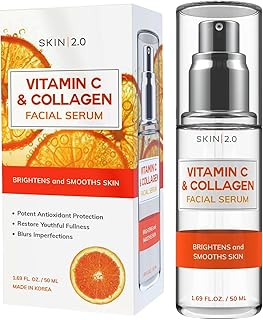
Skin 2.0 Vitamin C Serum – Dermatologist Tested
If you want something that just works, Skin 2.0 Vitamin C Serum – Dermatologist Tested is a safe bet (45 reviews, 4.5 stars).
7. Lion Pose Bio-Peptide Cream for Firmness

As you get older, your skin stops producing collagen at the same rate. Peptides are short chains of amino acids that act as building blocks for proteins like collagen and elastin. They signal your skin to repair itself. I started incorporating them into my routine when I noticed the skin around my jawline losing its bounce. I currently use the Lion Pose PEP TALK Bio-Peptide Barrier Repair Cream. It costs $49 for a 1.7 oz jar. It combines vegan bio-placenta peptides with a triple lipid complex. The price is definitely steep for the small volume, but the formulation is highly concentrated. It comes in an airtight pump jar, which I appreciate because it prevents the ingredients from degrading through oxygen exposure and keeps my fingers out of the product. I use exactly one full pump every evening. The cream is unscented and has a medium weight that sinks in without leaving a sticky residue on my pillow. Multi-action peptide complexes are a massive focus for anti-aging right now because they support skin repair processes without the irritation associated with strong retinoids. It took about eight weeks of consistent use to notice a difference in my skin’s firmness. Took me years to figure out. You might also like: 12 Aesthetic Skincare Photography You Need to See
8. Stopping the Over-Exfoliation Cycle

Exfoliation removes dead skin cells, but overdoing it is the most common mistake I see people make. I used to scrub my face with crushed walnut shells in college, which literally causes micro-tears in the epidermis. Now, I strictly use chemical exfoliants, and I limit them to twice a week. You have to choose between AHAs like glycolic or lactic acid for surface texture, or BHAs like salicylic acid to clear out oily pores. I use the Paula’s Choice 2% BHA Liquid Exfoliant. It costs $34 for a 4 oz bottle. The texture is exactly like water. I shake 4 drops into the palm of my hand and pat it directly onto my t-zone. Using cotton rounds just wastes product. The salicylic acid is oil-soluble, meaning it actually penetrates the pore lining to dissolve hardened sebum. If you use this every single day, you’ll destroy your skin barrier, leading to redness and even more breakouts as your skin overproduces oil to compensate. I apply it only on Monday and Friday nights. The bottle lasts me almost ten months at that frequency, which justifies the higher price tag.
9. Mastering the Thinnest to Thickest Rule

Applying products in the wrong order prevents them from working. If you put a heavy oil on first, your water-based serums can’t penetrate through it. The strict rule of cosmetic chemistry is to layer from thinnest to thickest texture. You start with your cleanser, then liquid toners, then thin serums, eye cream, heavy moisturizer, and finally your SPF. One of my staple thin serums is the Good Molecules Niacinamide Serum. It costs $6 for a 1 oz dropper bottle. Niacinamide regulates oil production and minimizes the appearance of pores. Because the texture is as thin as water, it goes on immediately after my hyaluronic acid. I apply 3 drops to my forehead and cheeks. It dries down slightly tacky, which creates a great gripping base for the thicker creams that follow. At night, you replace the morning SPF step with a reparative product like your peptide cream or retinol. I learned the hard way that if you mix too many thick silicones together, they just roll up into little white balls on your face. Stick to the thinnest-to-thickest rule and wait sixty seconds between each layer.
Clear Stackable Makeup Organizer with Drawer
Clear Stackable Makeup Organizer with Drawer punches above its price — 306 buyers rated it 4.5 stars. I would buy it again.
10. The Double Cleanse for Makeup Removal

Never sleep in your makeup. Leaving foundation on overnight traps dirt and environmental pollutants in your pores, preventing any beneficial nighttime ingredients from absorbing. A single pass with a makeup wipe doesn’t actually clean your face. It just smears the silicone and pigment around. You need a double cleanse. You start with an oil-based cleanser to break down water-resistant sunscreen and makeup, followed by a gentle water-based cleanser to wash the residue away. I use the Kose Softymo Speedy Cleansing Oil. I order it online, but you can sometimes find it at specialty Asian markets for about $9.50 for a 7.8 oz pump bottle. You apply 2 full pumps to a completely dry face. You massage the oil over your mascara and foundation for a full minute. The oil dissolves the makeup instantly. Then, you wet your hands and massage your face again. The oil emulsifies into a milky liquid that rinses away completely clean. After that, I follow up with my CeraVe hydrating cleanser. This two-step process takes exactly three minutes, and it’s the only way to ensure your pores are actually empty before you apply your serums.
11. Microbiome-Friendly Skincare Routine Products


The skin microbiome is a major focus right now, shifting away from the sterile, acid-heavy routines of the past. Your skin naturally hosts an ecosystem of bacteria that keep it healthy. When you use harsh, stripping surfactants, you kill off the good bacteria, leading to sensitivity and inflammation. You need microbiome-friendly skincare products that include prebiotics, probiotics, or postbiotics to maintain that balance. I recently started testing the Beekman 1802 Milk Drops Probiotic Ceramide Serum. It costs $45 for a 0.95 oz bottle. It uses goat milk and probiotic extracts to support the skin’s natural flora. The serum is milky white and feels incredibly soothing on contact. I apply half a dropper to my face on the nights I don’t use retinol. It helps reduce the baseline redness I usually get around my nose. Expect to see a lot more ecosystem-friendly formulations hitting the shelves. The industry is finally realizing that treating your skin like a delicate environment is far more effective than attacking it with high-percentage chemical peels every other day. Let’s stop burning our faces off in the name of beauty. No exaggeration. You might also like: 15 Beautiful Aesthetic Vision Board Skincare to Inspire Your Next Project
12. Changing Pillowcases to Prevent Breakouts


Your pillowcase accumulates dead skin cells, hair oil, sweat, and bacteria every single night. If you’re doing a ten-step routine and then sleeping on a dirty cotton pillowcase, you’re actively contributing to your own breakouts. Cotton is highly absorbent, meaning it pulls the expensive serums right off your face and holds onto them. You need to change and wash your pillowcase at least once a week. I switched to satin pillowcases last year. You can buy the luxurious Slip Silk Pillowcase for $89, but I’d rather save my money. I just bought a Kitsch Satin Pillowcase for $19 at a local boutique. It’s a standard queen size and works exactly the same. The synthetic satin doesn’t absorb my moisturizer, and the smooth surface creates less friction on my skin and hair. I buy a cheap, fragrance-free laundry detergent at Kroger specifically for washing my pillowcases. I wash them in cold water every Sunday morning. It sounds like a tedious extra chore, but eliminating that environmental bacteria source drastically reduced the random whiteheads I used to get on my cheeks and jawline.

Gua Sha Facial Tools Face Roller and Gua Sha Set for
Honestly, Gua Sha Facial Tools Face Roller and Gua Sha Set for Puffiness and Red surprised me — sturdier than it looks in the photos, and over 8 buyers gave it 4.5 stars.
13. Ignoring Price Tags for Active Ingredients

Dermatologists constantly confirm that expensive doesn’t always mean better. Many affordable drugstore products contain the exact same effective active ingredients as luxury brands that cost ten times as much. You have to learn to read the ingredient list rather than looking at the frosted glass packaging. Look for clinically proven ingredients like retinol, hyaluronic acid, and niacinamide in the first five ingredients on the label. Brands like The Inkey List and The Ordinary have completely disrupted the market by offering single-ingredient formulas at cost. I use The Inkey List Omega Water Cream as my daytime moisturizer. It costs $11.99 for a 1.7 oz tube. It contains a ceramide complex and niacinamide, and it performs identically to a $65 gel cream I used to buy at Sephora. I also regularly check Trader Joe’s for their seasonal skincare drops, because they frequently manufacture direct dupes of high-end sunscreens and serums for under $10. Stop paying a premium for artificial fragrance and marketing campaigns. If a product has the right concentration of the right active ingredient, your skin won’t know the difference between a $10 tube and a $100 jar. Trust me on this.
Building a functional regimen takes time, patience, and a willingness to read the actual chemical labels on the back of the bottle. I’ve wasted hundreds of dollars on pretty packaging, but sticking to these specific formulas finally stabilized my skin barrier. Focus on hydration, gentle cleansing, and consistent sun protection before you bother with anything else. If you found this breakdown helpful, I’d highly recommend pinning this article to your skincare board so you can reference these exact prices and product names the next time you’re standing in the drugstore aisle feeling overwhelmed.
Frequently Asked Questions
What is the correct order to apply skincare products?
Always layer your products from the thinnest texture to the thickest. Start with liquid toners, move to thin water-based serums, then eye creams, heavy moisturizers, and finally end with a broad-spectrum sunscreen in the morning.
Do I really need to wash my face in the morning?
If you have dry or sensitive skin, you don’t need a harsh cleanser in the morning. Simply rinsing your face with lukewarm tap water removes overnight sweat without stripping your lipid barrier before you apply moisturizer.
Why does my hyaluronic acid make my skin feel tight?
Hyaluronic acid is a humectant that draws moisture from its environment. If you apply it to a dry face in a dry room, it pulls water out of your deeper skin layers. Always apply it to damp skin.
Is expensive skincare better than drugstore brands?
Not necessarily. Many affordable drugstore products contain the exact same clinically proven active ingredients as luxury brands. Focus on reading the ingredient list for things like retinol and ceramides rather than paying a premium for frosted glass packaging.
