What’s Inside
- The Five-Product Foundation That Photographs Beautifully
- Sunscreen-First Aesthetic That Actually Protects
- Gentle Exfoliation Setup for Pictures Skincare Aesthetic
- Beyond-The-Face Photography That Shows Real Care
- The Consistency Calendar That Photographs Progress
- Peptide Power Displayed With Purpose
- Barrier Support Ingredients That Look Luxurious
- Custom Facial Moments Worth Capturing
- The Anti-Layering Aesthetic That Actually Works
- Longevity-Focused Photography That Tells the Truth
- Texture Photography That Shows Real Application
- The Honest Empties That Build Credibility
- Seasonal Rotation Captured Beautifully
- The Real Bathroom Aesthetic That’s Actually Useful
- Progress Documentation That Motivates Consistency
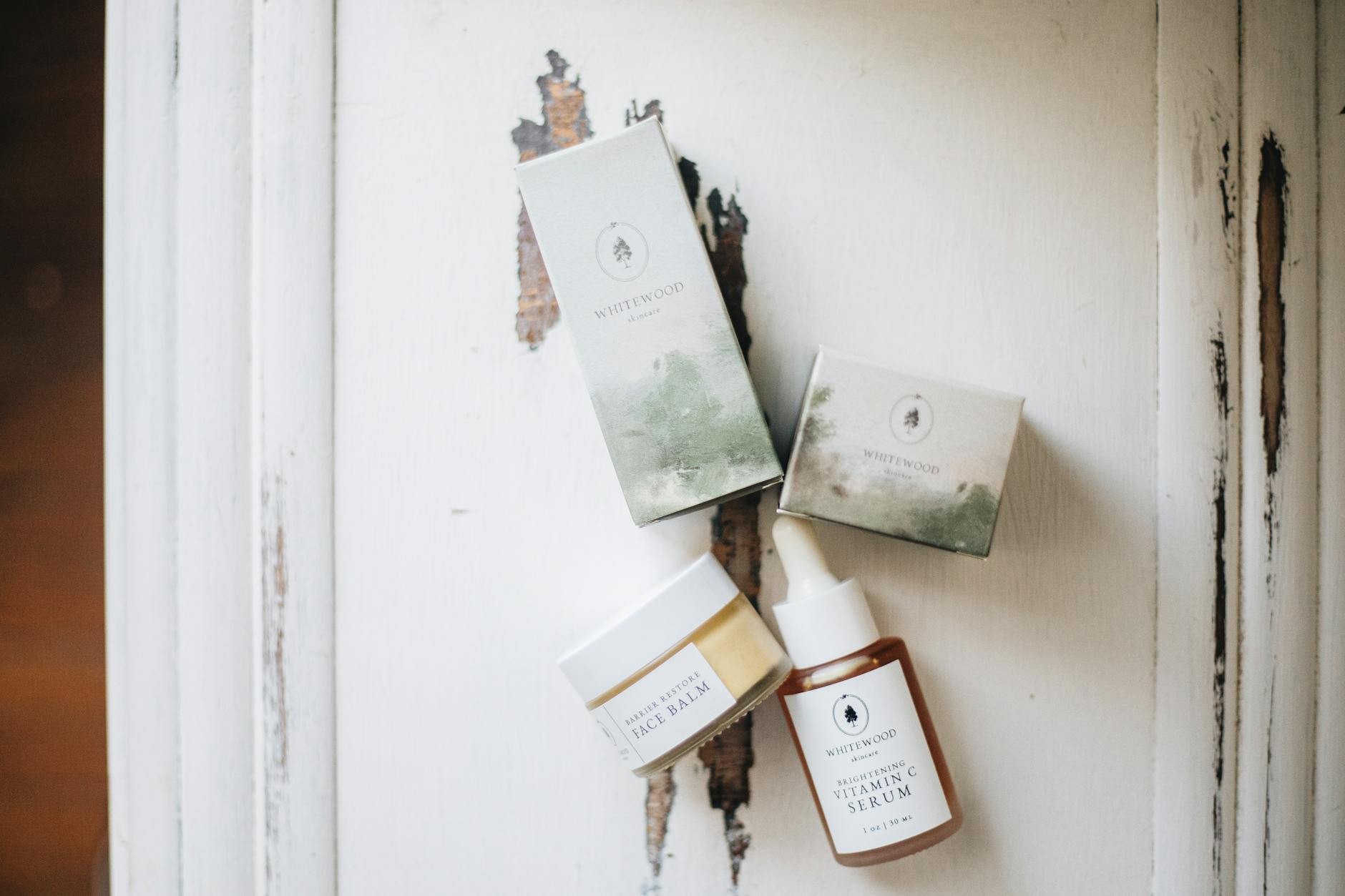
I spent three years curating the perfect pictures skincare aesthetic for my Instagram before I realized something embarrassing: my actual skin looked nothing like my feed. The flatlay shots were gorgeous, but my routine was a chaotic mess of twenty products I didn’t understand. Turns out, the most beautiful skincare aesthetic pictures aren’t just about looking good—they’re about building a routine that actually works.
Here’s what I’ve learned about creating a skincare setup that’s both visually stunning and genuinely effective.
The Five-Product Foundation That Photographs Beautifully

Most people think more products equal better results, but I learned the hard way that’s completely wrong. After my dermatologist called out my seventeen-step routine, I stripped everything down to five core products: cleanser, treatment serum, exfoliant, moisturizer, and SPF. Honestly, this changed how I approach both skincare and aesthetic photography.
The beauty of this simplified approach is that each product gets its moment to shine in photos. When you’re shooting flat lays or shelfies, five carefully chosen bottles look intentional and curated rather than cluttered. I personally arrange mine by height, with the tallest (usually my cleanser) in the back and my SPF front and center because it’s the most important.
Pro tip: This foundation works because your skin can only absorb so much at once, and it operates within a specific pH window. Overloading disrupts that balance. My skin actually improved within two weeks of simplifying, and my morning routine photos became way more cohesive.
Sunscreen-First Aesthetic That Actually Protects

I’ll be blunt: if your aesthetic skincare pictures don’t prominently feature sunscreen, you’re sending the wrong message. UV rays cause premature aging and skin cancer even on cloudy days, even when you’re sitting by a window working from home. I used to skip SPF on indoor days until I saw photos of truck drivers with sun damage on only one side of their face from years of window exposure.
Now my SPF (I rotate between a few, but EltaMD UV Clear Broad-Spectrum SPF 46 is my current favorite) always gets the hero spot in my photos. I arrange it with my morning coffee or next to a window with natural light to create that aspirational morning routine vibe.
Common mistake: People photograph their nighttime serums in morning light because it looks prettier, but this confuses your routine. I learned to embrace both golden hour shots for AM products and moody evening lighting for PM routines. It keeps your aesthetic honest and helps you remember when to use what.
Gentle Exfoliation Setup for Pictures Skincare Aesthetic

The skincare photography trend of harsh acids in dramatic dark bottles nearly destroyed my skin barrier. I thought glycolic acid at high percentages was the answer because it looked so clinical and serious in photos. Wrong. Switching to buffered formulas with ceramides, panthenol, beta-glucan, and allantoin transformed my skin without the irritation.
These gentler exfoliants don’t always come in Instagram-worthy packaging, which frustrated me at first. But I’ve learned to style them with natural elements like cotton pads, a small dish of water, or fresh botanicals to create that spa-like aesthetic. The key is showing the ritual, not just the product.
I personally swear by photographing my exfoliant next to my moisturizer to remind myself they work as a team. The exfoliant preps, the moisturizer repairs. When you see them together in your aesthetic grid, it reinforces that gentle approach rather than the aggressive exfoliation culture that dominated skincare photography for years.

medicube Deep Vitamin C Capsule Serum | Hydrating Vitamin C
A dependable everyday pick — medicube Deep Vitamin C Capsule Serum | Hydrating Vitamin C Serum for pulls in 230 ratings at 4.5 stars. Not flashy, just solid.
Beyond-The-Face Photography That Shows Real Care

Here’s something most aesthetic skincare pictures get wrong: they only show facial products. But your neck, chest, and hands age faster than your face because the skin is thinner and gets just as much sun exposure. I didn’t extend my routine to these areas until I was twenty-eight, and honestly, I regret it.
Now when I shoot my skincare routine, I include hand cream, neck cream, or show myself applying facial products down to my chest. It’s more authentic and reminds me (and anyone following along) that skincare doesn’t stop at your jawline. I keep a dedicated hand cream on my desk and photograph it next to my keyboard or coffee mug.
Pro tip: Body shots are harder to style, so I focus on details. A close-up of hands applying cream, or the elegant line of product on a forearm catches light beautifully. These images perform surprisingly well because they feel more real than another perfect flatlay that nobody’s actually using.
The Consistency Calendar That Photographs Progress

I started taking the same angle selfie every Sunday morning in natural light, no filter, same spot in my bathroom. It’s not traditionally aesthetic, but watching my skin improve over twelve weeks created the most satisfying before-and-after grid I’ve ever posted. Consistency beats intensity every single time.
The visual documentation kept me accountable in a way that pretty product shots never did. When I could see my hyperpigmentation fading week by week, I stopped impulse-buying new serums that would disrupt my routine. Most people abandon products after two weeks, but real results take eight to twelve weeks minimum.
I photograph my weekly check-in with the same products arranged identically each time. It creates a visual rhythm in my feed and proves that boring consistency is actually the most transformative approach. My engagement dropped slightly when I stopped posting daily new products, but my skin has never looked better, and that’s worth more than likes.
Peptide Power Displayed With Purpose

After learning that collagen production declines about one percent annually after your twenties, I got serious about peptides. These ingredients signal your skin to produce more collagen, reduce inflammation, and improve texture. But photographing them is tricky because peptide serums often look identical to every other clear serum.
I solve this by creating context in my photos. I’ll shoot my peptide serum next to a mirror showing my actual skin, or style it with ingredients that complement peptides like hyaluronic acid and niacinamide. The story matters more than the bottle when products look similar.
Common mistake: Mixing too many actives in one photo without explaining the order. I learned to photograph my peptide serum alone or with only its supporting cast, never in a chaotic multi-product shot. This helps me remember that peptides work best on clean skin before heavier products, and it creates cleaner, more purposeful aesthetic images.

Yeamon Gua Sha Facial Tools and Face Roller Set
Honestly, Yeamon Gua Sha Facial Tools and Face Roller Set surprised me — sturdier than it looks in the photos, and over 1 buyers gave it 4.5 stars.
Barrier Support Ingredients That Look Luxurious

Hyaluronic acid and ceramides aren’t sexy ingredients, but they’re absolute workhorses for maintaining skin resilience. I spent years chasing exotic botanicals and trendy actives while my barrier screamed for basic support. Now these products anchor my routine and my aesthetic photography.
The trick is styling them to look as luxurious as they make your skin feel. I photograph my ceramide moisturizer on marble, next to a jade roller, or with morning light streaming through to create that expensive, spa-like vibe. The product itself might be affordable, but the presentation elevates it.
I personally love shooting barrier-support products with water droplets or a damp face cloth nearby. It visually reinforces what these ingredients do: they help your skin hold moisture. When your aesthetic pictures actually explain the science, they become educational content that people save and return to, not just pretty images they scroll past.
Custom Facial Moments Worth Capturing

The shift toward personalized, custom facials adapted to your skin’s current condition is one of the best trends in skincare right now. Static routines don’t account for hormonal changes, weather, stress, or that week you ate nothing but takeout. I started adjusting my routine based on how my skin actually feels, not what my aesthetic grid demands.
Photographing this approach is harder because it’s less predictable, but more honest. Some mornings I skip actives and just use a gentle cleanser and rich moisturizer because my skin is inflamed. I’ll photograph that simplified setup with a caption explaining why. It performs better than my perfectly curated nine-product morning routines ever did.
Pro tip: Keep a few adaptable products that photograph well together in different combinations. A soothing toner, a hydrating serum, a repair cream, and a lighter gel moisturizer can be mixed and matched based on your skin’s needs while maintaining visual consistency in your feed.
The Anti-Layering Aesthetic That Actually Works

Here’s an unpopular opinion: most layering routines are performative nonsense. Your skin has finite absorption capacity, and piling on twelve products doesn’t mean twelve times the results. I used to photograph elaborate layering sequences with every bottle lined up in order, but honestly, it was exhausting and ineffective.
Now I focus on strategic layering: thin to thick, water-based before oil-based, actives on clean skin. That’s usually three to four products max, which creates much cleaner, more impactful photos. Each product gets space to breathe in the frame, just like each ingredient gets time to absorb into your skin.
The aesthetic shift from crowded product lineups to minimal, intentional selections changed my entire approach. I photograph my streamlined routine with more negative space, better lighting, and closer attention to each product’s texture and color. It’s more sophisticated and it actually represents what works.

Masirs Clear Makeup Organizer
Masirs Clear Makeup Organizer – 16-Compartment Cosmetic and Jewelry Ho has been one of the most consistently praised picks in this category. 258 reviewers averaged 4.5/5.
Longevity-Focused Photography That Tells the Truth

The skincare industry loves to promise quick anti-aging fixes, but the real goal is skin longevity. I’m thirty-two now, and I’m way more interested in having healthy skin at fifty than looking twenty-five forever. This mindset shift completely changed what I photograph and how I talk about skincare.
Instead of dramatic before-and-afters promising wrinkle erasure, I photograph my routine as a daily investment. Morning SPF application in natural light, evening cleansing rituals, the simple pleasure of a good moisturizer. These quiet moments don’t go viral, but they build trust with people who want realistic, sustainable skincare advice.
I personally include lifestyle context in these shots: my SPF next to my bike helmet, my evening cleanser by the bathroom sink with my toothbrush visible. It shows that skincare isn’t separate from life; it’s integrated into a healthy, consistent lifestyle that supports longevity. That’s the aesthetic that actually matters.
Texture Photography That Shows Real Application

Product texture matters enormously for both efficacy and aesthetic appeal, but most skincare photos show sealed bottles. I started photographing products mid-application: serum dripping from a dropper, cream swirled on the back of my hand, the satisfying spread of a well-formulated SPF. These images perform incredibly well because they show the actual experience.
Texture shots also help you understand what you’re buying. A thick, rich cream photographs completely differently than a lightweight gel, and seeing that difference helps people choose products that’ll work for their skin type and preferences. I learned this after buying a “moisturizer” that was basically occlusive oil because the bottle looked pretty.
Pro tip: Photograph textures against your actual skin tone, not a white background. This shows how the product looks on real skin, whether it leaves a white cast, how it absorbs, and what the finish is. It’s more helpful and more beautiful than another sterile product shot.
The Honest Empties That Build Credibility

I started photographing my empty skincare products, and it completely changed how people engaged with my content. Anyone can shoot a new product haul, but empties prove you actually used something long enough to have an opinion. Plus, they create satisfying before-and-after narratives.
My most popular post last year was a photo of four empty bottles lined up with the replacements behind them: same products, repurchased because they genuinely worked. No fancy styling, just proof of consistency. People saved that post like crazy because it cut through all the sponsored content and trend-chasing.
Common mistake: Only photographing empties of products you loved. I also shoot products I finished but won’t repurchase, with honest captions about why. That transparency builds way more trust than pretending everything is perfect. My aesthetic includes the failures, not just the wins.
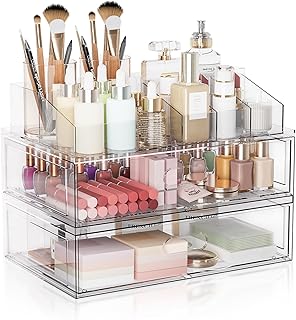
Clear Stackable Makeup Organizer with Drawer
Clear Stackable Makeup Organizer with Drawer punches above its price — 300 buyers rated it 4.5 stars. I would buy it again.
Seasonal Rotation Captured Beautifully

Your skin needs different things in July versus January, but most aesthetic skincare grids ignore seasonal changes. I photograph my routine transitions: swapping heavy creams for lightweight gels in summer, adding more occlusive layers in winter, adjusting my exfoliation frequency when the air gets dry.
These seasonal shift photos create natural content rhythms and remind me to actually adjust my routine instead of using the same products year-round out of habit. I’ll photograph my winter lineup with cozy elements like a chunky knit blanket or a steaming mug, while summer products get bright, airy styling with fresh citrus or light fabrics.
I personally love the practical aspect of this approach. It prevents me from hoarding products I won’t use for six months and helps me use up seasonal items before they expire. The photography documents this cycle and makes routine adjustments feel intentional rather than chaotic.
The Real Bathroom Aesthetic That’s Actually Useful

Perfect shelfies are gorgeous, but they’re often staged in ways that don’t reflect actual use. I started photographing my real bathroom setup: products I use daily within arm’s reach of the sink, backup bottles in the cabinet, my SPF by the door so I never forget it. It’s less pristine but infinitely more practical.
This authentic approach resonates because people want to know how to actually organize and use their skincare, not just how to arrange it for photos. I show my morning products grouped separately from evening products, my weekly treatments in a different spot, my body skincare in the shower rather than on a pretty tray.
Pro tip: You can make real organization look beautiful with simple upgrades like matching containers, a small tray for daily essentials, or a designated spot with good lighting. The aesthetic comes from thoughtful organization that serves your routine, not from staging products you never actually use in that configuration.
Progress Documentation That Motivates Consistency

The most powerful aesthetic pictures skincare approach I’ve found is consistent progress documentation. Not just skin selfies, but photos that track your routine adherence, your empty products over time, your evolving understanding of what works. This long-game content creates a narrative that single product shots can’t match.
I created a simple system: one routine photo every Sunday, one skin check-in photo every month, one empties collection every quarter. These regular touchpoints keep me accountable and create automatic content that’s deeply personal and useful. When I look back at a year of these images, I see real growth and change.
The aesthetic isn’t about perfection; it’s about progression. My early photos show way too many products and confused organization. Recent photos show a streamlined, confident routine that actually works. That visual journey is more valuable than any single perfect shot because it shows the messy, real process of figuring out your skin.
After three years of trial and error with both skincare and skincare photography, I’ve learned that the most beautiful aesthetic is one that’s actually sustainable. Five core products, daily SPF, gentle consistency, and honest documentation create both better skin and better content than any amount of trendy products or perfect staging ever could.
Start with simplifying your routine to what actually works, then photograph that reality. Your skin and your feed will both thank you. Save this for when you’re ready to overhaul your approach, and pin it so you can reference these principles when the next skincare trend tries to pull you off track.

6Pcs Jade Roller for Face
If you want something that just works, 6Pcs Jade Roller for Face is a safe bet (27 reviews, 4.5 stars).
Frequently Asked Questions
How do I create aesthetic skincare pictures that show my real routine?
Focus on five core products arranged with intention, photograph them in natural light where you actually use them, and include context like your bathroom counter or morning coffee. Authenticity beats perfection every time for engagement and personal accountability.
What’s the best way to photograph skincare products for Instagram?
Use natural light, show product textures and application rather than just sealed bottles, include your actual skin tone for context, and maintain visual consistency with repeated angles and styling elements. Document real use, not just staged perfection.
How many skincare products should I include in aesthetic photos?
Stick to five core products maximum per photo to avoid visual clutter and reflect an actually effective routine. More products in frame often means confusion in both your routine and your aesthetic. Simplicity photographs better and works better.
Should I photograph expensive or affordable skincare products?
Photograph what actually works for your skin, regardless of price. Style affordable products with intentional backgrounds, good lighting, and beautiful context to elevate them. Effectiveness and consistency matter more than luxury branding for both results and authentic content.
2 thoughts on “15 Charming Aesthetic Pictures Skincare Worth Trying This Year”